Essential Home Inspection Checklist for Cincinnati Home Buyers
Discover what professional inspectors evaluate and how to use their findings to make confident purchasing decisions in Cincinnati's real estate market.

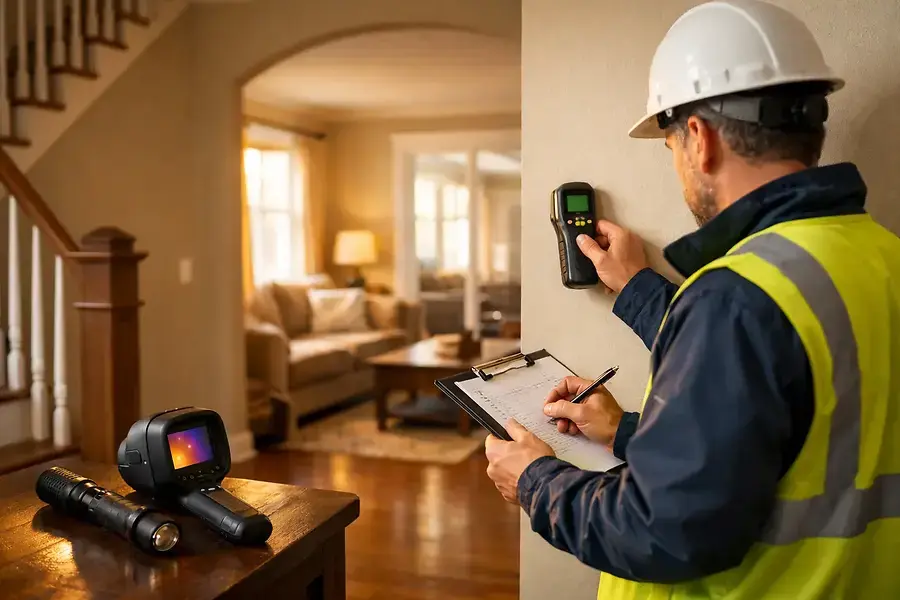
Understanding the Home Inspection Process
A home inspection is one of the most critical steps in the home-buying process. It provides an objective assessment of a property's condition and helps you understand what you're truly investing in. In Cincinnati's competitive real estate market, a thorough inspection can reveal issues that might not be visible during a casual walkthrough.
Professional home inspectors are trained to evaluate a property's structural integrity, mechanical systems, and overall safety. The inspection typically takes two to three hours and covers both the interior and exterior of the home. As a buyer, you have the right to be present during the inspection and ask questions about any concerns the inspector identifies.
Why Home Inspections Matter in Cincinnati
Cincinnati homes range from historic Victorian properties to modern suburban residences, each with unique characteristics and potential issues. Older homes may have outdated electrical systems or foundation concerns, while newer constructions might have warranty-related issues. A professional inspection tailored to your specific property type ensures you understand its condition before committing to the purchase.
Critical Areas Inspectors Examine in Cincinnati Homes
Structural Components
Inspectors carefully evaluate the foundation, walls, and roof structure. In Cincinnati, where weather patterns include significant snowfall and humidity, foundation cracks and water intrusion are common concerns. They'll assess:
- Foundation integrity and signs of settling
- Basement moisture and drainage issues
- Roof condition and remaining lifespan
- Attic ventilation and insulation
Mechanical Systems
The heating, cooling, plumbing, and electrical systems are crucial to a home's functionality. Cincinnati's climate demands reliable HVAC systems, making their condition particularly important. Inspectors evaluate:
- Furnace and air conditioning unit age and operation
- Water heater capacity and condition
- Electrical panel safety and capacity
- Plumbing for leaks, corrosion, and proper drainage
Interior and Exterior Features
Beyond major systems, inspectors examine doors, windows, siding, and interior finishes. They look for:
- Window and door functionality and weatherproofing
- Exterior siding condition and paint integrity
- Gutters and downspout functionality
- Interior walls for water damage or mold
- Flooring condition and stability
Safety and Environmental Concerns
Inspectors also screen for potential hazards such as asbestos, lead paint, and radon—all relevant concerns in Cincinnati's older housing stock. They'll note any safety issues with stairs, railings, or electrical outlets.
How to Interpret Inspection Reports and Red Flags
Understanding the Report Format
Home inspection reports typically categorize findings by severity. Most reports use categories such as major concerns, minor issues, and maintenance recommendations. Understanding these distinctions helps you prioritize what needs immediate attention versus what can wait.
Major Red Flags to Watch For
Structural problems are among the most serious findings. These include significant foundation cracks, bowing walls, or roof damage that compromises the home's integrity. Such issues can be expensive to repair and may affect the property's value and insurability.
Water damage and mold indicate moisture problems that could lead to health issues and structural deterioration. If you see references to active leaks, standing water, or mold growth, take these seriously.
Electrical hazards such as outdated wiring, improper grounding, or overloaded panels pose fire and safety risks. Upgrading electrical systems can be costly, so factor this into your decision.
HVAC system failures mean you may need to replace expensive equipment soon after purchase. Ask about the age and remaining lifespan of heating and cooling systems.
Minor Issues and Maintenance Items
Not every finding requires panic. Minor issues like worn caulking, small roof repairs, or cosmetic damage are common in older homes. These are often negotiable items or manageable expenses.
The key is distinguishing between what's a deal-breaker and what's simply part of home ownership.
Questions to Ask Your Inspector
Don't hesitate to ask clarifying questions about the report:
- What is the estimated cost to repair major issues?
- How urgent are the repairs?
- Are there safety concerns that need immediate attention?
- What is the expected lifespan of major systems?
- Are there preventative measures I should take?
Next Steps: Using Inspection Results in Your Offer
Negotiating Based on Inspection Findings
Once you have the inspection report, you have several options. You can request repairs from the seller, ask for a price reduction to cover repair costs, or request credits at closing. In Cincinnati's market, sellers often prefer price reductions over making repairs themselves.
Prioritize your requests. Focus on major structural, safety, and system issues rather than cosmetic concerns. Sellers are more likely to negotiate on significant problems than minor maintenance items.
Getting Additional Inspections
If the general inspection reveals specific concerns, you might want specialized inspections for:
- Radon testing
- Mold assessment
- Pest or termite inspection
- Septic system evaluation (for properties with septic systems)
Making Your Final Decision
The inspection report is a tool to help you make an informed decision. While no home is perfect, understanding its condition allows you to move forward with confidence. Consider the overall condition, repair costs, and your comfort level with the property's issues.
Work closely with your real estate agent and inspector to interpret findings and develop a negotiation strategy. With this information in hand, you'll be well-equipped to make a smart investment in Cincinnati's real estate market.


