Essential Home Inspection Checklist for Dallas Homebuyers
Master the essential inspection process to protect your investment and avoid costly surprises when buying residential property in Dallas.

Why Home Inspections Matter in Dallas
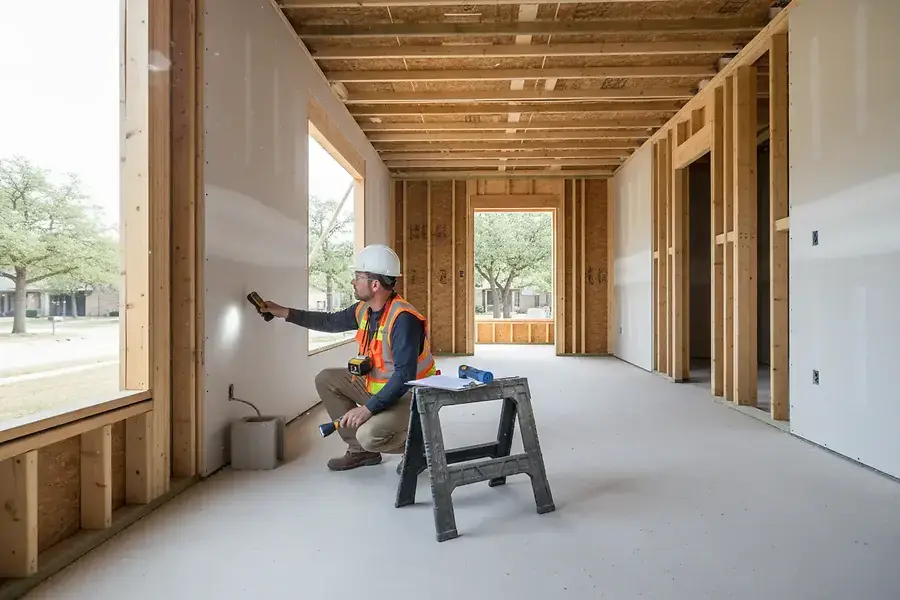
Purchasing a home is one of the most significant financial decisions you'll make in your lifetime. In Dallas, where the real estate market moves quickly and properties vary widely in age and condition, a thorough home inspection is absolutely essential. A professional home inspection provides an objective assessment of a property's structural integrity, systems, and overall condition before you commit to the purchase.
Many homebuyers underestimate the importance of inspections, viewing them as an unnecessary expense. However, the cost of a professional inspection—typically between $300 and $500—is minimal compared to the potential cost of discovering major issues after closing. From foundation problems to electrical hazards, a comprehensive inspection can reveal problems that could cost thousands of dollars to repair.
Key reasons to prioritize home inspections in Dallas:
- Identify structural and safety issues before purchase
- Negotiate repairs or price reductions with sellers
- Plan for future maintenance and budgeting
- Protect your investment and financial security
- Gain peace of mind about your purchase decision
Key Areas Home Inspectors Evaluate in Texas Homes
Foundation and Structural Components
The foundation is the backbone of any home. Texas homes, particularly in the Dallas area, are susceptible to foundation issues due to the region's clay soil composition, which expands and contracts with moisture changes. Inspectors carefully examine the foundation for cracks, settling, and signs of water damage. They also assess the structural integrity of walls, floors, and support beams.
Roofing and Exterior
The roof protects everything beneath it, making its condition critical. Inspectors evaluate roof age, material condition, flashing integrity, and signs of leaks or damage. They also examine gutters, downspouts, siding, windows, doors, and the overall exterior condition. Dallas weather, including hail storms and intense sun exposure, can significantly impact roofing materials.
Plumbing Systems
A thorough plumbing inspection includes checking water pressure, drainage systems, water heater condition, and pipe materials. Inspectors look for leaks, corrosion, and outdated materials that may need replacement. They verify that the home has adequate water supply and proper sewage disposal.
Electrical Systems
Electrical safety is paramount. Inspectors examine the main electrical panel, circuit breakers, wiring, outlets, and switches. They verify that the electrical system meets current code requirements and can safely handle the home's power demands. Outdated or faulty wiring poses serious fire and shock hazards.
HVAC Systems
Heating and cooling systems are essential in Dallas, where summers are scorching and winters can be unpredictable. Inspectors evaluate the age and condition of air conditioning units, furnaces, and ductwork. They assess whether systems are functioning properly and determine their remaining lifespan.
Interior Components
Inspectors examine walls, ceilings, floors, doors, and windows for damage, moisture intrusion, and proper function. They check for signs of pest infestations, mold, and water damage. Attic and basement spaces receive special attention for ventilation, insulation, and moisture issues.
Common Issues Found in Dallas Residential Properties
Foundation Cracks and Settlement
Due to Dallas's expansive clay soil, foundation issues are among the most common problems found during inspections. Hairline cracks may be cosmetic, but larger cracks or signs of settling require professional evaluation and potential repair.
Roof Damage and Leaks
Hail storms and UV exposure frequently damage Dallas roofs. Missing shingles, deteriorated flashing, and interior water stains indicate roofing problems that need immediate attention.
Outdated Electrical Systems
Older Dallas homes may have outdated electrical panels, aluminum wiring, or insufficient capacity for modern appliances. These issues pose safety risks and may require upgrades.
HVAC System Age
Many Dallas properties have aging air conditioning systems that are approaching the end of their lifespan. Replacement costs can be substantial, so knowing the system's age helps with budgeting.
Plumbing Issues
Common plumbing problems include:
- Corroded or deteriorated pipes
- Slow drains or drainage issues
- Water heater problems or age-related concerns
- Leaks under sinks or around fixtures
- Outdated materials requiring replacement
Moisture and Mold
Water intrusion from roof leaks, poor drainage, or plumbing issues can lead to mold growth and structural damage. Inspectors identify moisture sources and areas of concern.
Making Informed Decisions with Inspection Reports
Understanding Your Inspection Report
A comprehensive inspection report details all findings, categorized by severity. Items are typically marked as safety concerns, major repairs needed, or maintenance recommendations. Understanding this categorization helps you prioritize issues and make informed decisions.
Using Inspection Results in Negotiations
Armed with inspection findings, you have leverage in negotiations. You can request that sellers make repairs, provide credits for repairs you'll handle, or adjust the purchase price accordingly. Major issues discovered during inspection often provide grounds for renegotiation.
Planning for Future Maintenance
Even homes in excellent condition require ongoing maintenance. The inspection report provides a roadmap for future upkeep, helping you budget for necessary repairs and replacements over time.
Pro Tip: Attend the inspection if possible. Walking through with the inspector allows you to ask questions, understand issues firsthand, and learn about the home's systems and maintenance needs.
When to Walk Away
Some inspection findings may indicate problems too costly or complex to address. Foundation issues, severe structural damage, or extensive mold contamination might warrant walking away from the deal, depending on your budget and risk tolerance.
A home inspection is your opportunity to make an informed decision about one of life's biggest purchases. By understanding what inspectors evaluate and recognizing common Dallas property issues, you protect your investment and ensure you're buying a safe, sound home. Don't skip this critical step in the homebuying process.


