Essential Home Inspection Checklist for Florida's Space Coast
Protect your investment by knowing exactly what to look for when inspecting residential properties in Vero Beach, Melbourne, and surrounding communities.

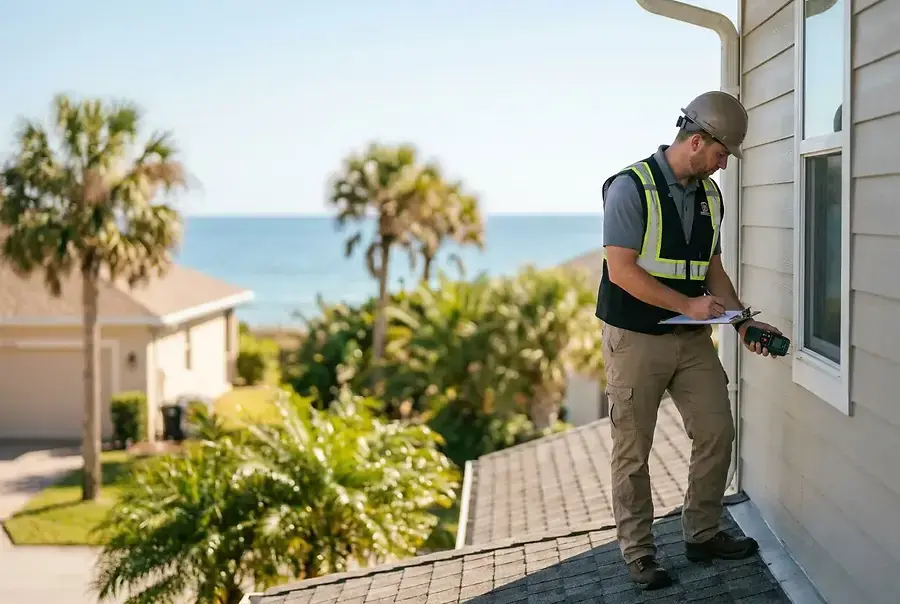
Why Home Inspections Matter on Florida's Space Coast
Purchasing a home is one of the most significant investments you'll make in your lifetime. On Florida's Space Coast—encompassing Vero Beach, Melbourne, and surrounding communities—this investment requires special attention to unique environmental and structural challenges. The coastal climate, salt air, hurricane season, and moisture-related issues create conditions that demand thorough inspection before you sign on the dotted line.
A comprehensive home inspection protects your financial interests and reveals potential problems that could cost thousands to repair later. In coastal Florida, standard inspection concerns are compounded by salt corrosion, wind damage susceptibility, and moisture infiltration risks. Understanding what inspectors look for and what you should prioritize helps you negotiate repairs, request credits, or walk away from problematic properties.
Critical Areas to Inspect in Coastal Florida Homes
Roof and Structural Integrity
Your roof is your home's first line of defense against Florida's intense sun, salt spray, and hurricane-force winds. During inspection, look for:
- Missing or damaged shingles that expose underlayment to moisture
- Rust or corrosion on metal flashing and fasteners due to salt air
- Sagging sections indicating structural problems or water damage
- Improper ventilation that traps moisture and accelerates deterioration
- Age of the roof—coastal homes typically need replacement every 15-20 years versus 20-25 in other regions
Ask your inspector for a detailed report on the roof's condition and remaining lifespan. This single component can cost $15,000-$30,000 to replace, making it critical to understand its current state.
Foundation and Concrete
Florida's sandy soil and high water table create unique foundation challenges. Inspect for:
- Cracks in the foundation that may indicate settling or water pressure issues
- Efflorescence (white, chalky deposits) showing moisture movement through concrete
- Spalling or deterioration from salt exposure and freeze-thaw cycles
- Proper drainage around the foundation perimeter
- Evidence of past flooding or water intrusion in crawl spaces
Foundation issues are expensive and complex to repair. A professional inspector should use moisture meters and thermal imaging to detect hidden problems.
Plumbing and Water Systems
Coastal Florida's salt air and mineral-rich water accelerate pipe corrosion. Key inspection points include:
- Pipe material and age—older galvanized pipes are prone to rust and reduced water pressure
- Water pressure and flow from all fixtures
- Signs of leaks under sinks, around toilets, and in walls
- Water heater condition and age (typically 8-12 years in coastal areas)
- Septic system functionality if applicable, including proper distance from water sources
Ask about the water quality and whether the home has a water filtration system. Many coastal residents invest in these to combat salt and mineral content.
Electrical Systems
Salt air corrodes electrical components faster than in inland areas. During inspection, verify:
- Panel condition and capacity for modern electrical demands
- Proper grounding and bonding, especially important in coastal areas
- GFCI outlets in bathrooms, kitchens, and outdoor areas
- Corrosion on breakers and connections from salt exposure
- Adequate surge protection for hurricane-prone regions
Electrical issues pose safety risks and can be expensive to remedy. Ensure the inspector tests all outlets and identifies any code violations.
HVAC and Moisture Control
Florida's humidity is relentless, making proper air conditioning and dehumidification essential. Inspect:
- AC unit age and efficiency—coastal units work harder and fail sooner
- Proper ductwork installation and insulation to prevent condensation
- Refrigerant levels and system performance
- Dehumidification capability to prevent mold growth
- Maintenance records showing regular service and filter changes
A well-maintained HVAC system is your best defense against moisture-related damage and mold. Budget for replacement costs, as coastal units typically last 10-15 years.
Windows, Doors, and Sealing
Proper sealing protects against salt spray, wind, and water intrusion. Look for:
- Impact-resistant windows and doors (increasingly required in coastal areas)
- Caulking and weatherstripping condition around all openings
- Proper installation with no gaps or separation from frames
- Corrosion on metal frames and hardware
- Water stains or damage around windows indicating past leaks
Upgrading to impact-resistant windows is expensive but provides hurricane protection and energy efficiency benefits.
Understanding Inspection Reports and Red Flags
What to Look For in Your Report
A thorough inspection report should be detailed, organized, and easy to understand. It should include:
- Clear descriptions of each system inspected
- Photographs documenting defects and concerns
- Prioritization of issues by severity (safety hazards, major repairs, minor maintenance)
- Repair cost estimates when possible
- Recommendations for further evaluation by specialists
Don't hesitate to ask your inspector questions about anything you don't understand. A good inspector will explain findings clearly and help you prioritize concerns.
Major Red Flags in Coastal Properties
Stop and reconsider if the inspection reveals:
- Evidence of mold or extensive moisture damage
- Structural damage from previous hurricanes or flooding
- Failing foundation with active cracks or movement
- Outdated electrical systems that don't meet current codes
- Roof near end of life with no recent maintenance
- Inadequate hurricane protection in a high-risk area
These issues can be costly and complex to address. Use them as negotiation points or reasons to request a professional assessment before proceeding.
Making Informed Decisions Before Your Purchase
A thorough home inspection is your opportunity to understand exactly what you're buying. On Florida's Space Coast, where coastal conditions accelerate wear and damage, this step is non-negotiable. Take time to review the inspection report carefully, ask questions, and consult with specialists if needed.
Remember that no home is perfect, but understanding its condition allows you to make an informed decision. Whether you negotiate repairs, request credits, or adjust your offer, the inspection report gives you the knowledge to protect your investment. In a region where salt air, humidity, and hurricane risk are constant factors, a comprehensive inspection isn't an expense—it's essential due diligence.
Work with a qualified, experienced home inspector who understands coastal Florida's unique challenges. Your peace of mind and financial security depend on it.