Essential Home Inspection Checklist for Lakeland Property Buyers
Learn what professional inspectors examine and how to protect your investment in Lakeland real estate.

Understanding the Home Inspection Process in Lakeland
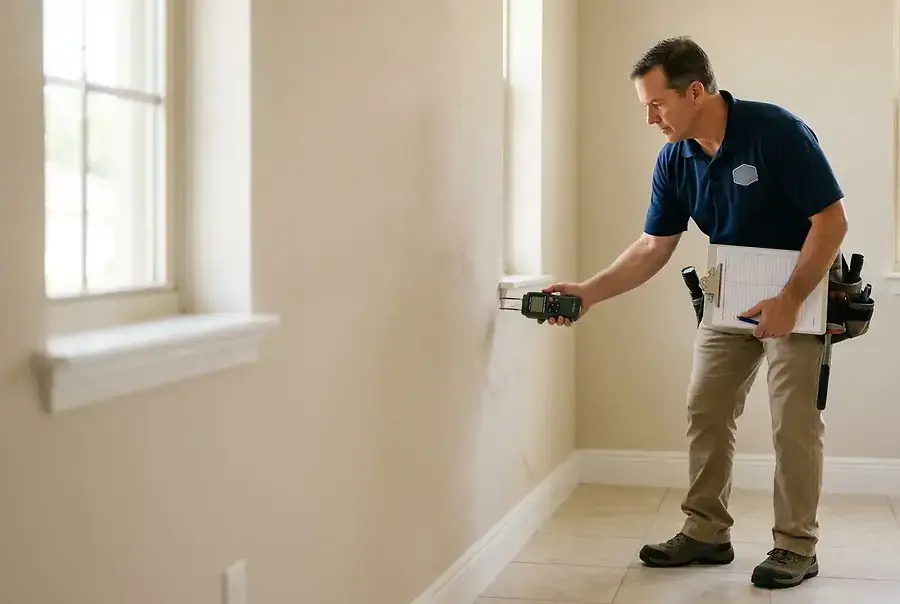
Purchasing a home is one of the most significant investments you'll make in your lifetime. In Lakeland, Florida, a professional home inspection is a crucial step in the buying process that can save you thousands of dollars in unexpected repairs. A home inspection is a thorough examination of a property's physical structure and systems, conducted by a certified professional inspector.
During a typical home inspection in Lakeland, the inspector will spend two to four hours examining your potential new home. They'll create a detailed report documenting the condition of various components, from the foundation to the roof. This inspection gives you valuable insight into the property's true condition and helps you make an informed decision about your purchase.
Understanding what happens during this process empowers you as a buyer. You'll know what questions to ask, what to expect in the report, and how to use the findings in your negotiations with the seller.
Key Areas Inspectors Examine in Florida Homes
Structural Components
Inspectors begin by evaluating the home's foundation, which is especially important in Lakeland due to Florida's unique soil conditions and moisture levels. They'll check for cracks, settling, or water damage that could indicate serious structural problems. The roof is another critical area—inspectors examine shingles, flashing, gutters, and the overall integrity of the roofing system.
Electrical and Plumbing Systems
The electrical system is thoroughly tested to ensure it meets current safety codes. Inspectors check the panel, wiring, outlets, and switches for potential hazards. For plumbing, they examine water pressure, drainage, and the condition of pipes. In Lakeland, water quality and pressure issues are common concerns due to the region's water supply characteristics.
HVAC and Climate Control
Florida's hot and humid climate makes air conditioning systems critical. Inspectors test the AC unit's functionality, check refrigerant levels, and examine ductwork. They also evaluate heating systems and ventilation to ensure proper airflow throughout the home.
Interior Features and Safety
Inspectors examine:
- Windows and doors for proper sealing and operation
- Insulation and ventilation in attics and crawl spaces
- Kitchen appliances and countertops
- Bathroom fixtures and tile work
- Flooring conditions and potential water damage
- Interior walls for cracks or moisture issues
Exterior and Drainage
The exterior inspection includes checking siding, trim, landscaping, and drainage systems. In Lakeland, proper drainage is essential to prevent flooding and water intrusion, particularly during the rainy season. Inspectors look for standing water, improper grading, and inadequate drainage solutions.
Pest and Moisture Concerns
Florida's warm climate creates ideal conditions for pests and mold. While a standard inspection may not include a full pest inspection, professional inspectors will note signs of termites, roaches, or other common pests. They also look for moisture problems that could lead to mold growth.
Red Flags and How to Respond to Inspection Findings
Understanding the Report
Home inspection reports typically categorize findings into three levels: safety issues, major concerns, and minor repairs. Safety issues require immediate attention, while major concerns should be addressed soon. Minor repairs can often be negotiated or handled after purchase.
Common Red Flags in Lakeland Homes
Watch for these warning signs:
- Water damage and mold: Staining on ceilings, walls, or crawl spaces indicates moisture problems
- Roof issues: Missing shingles, sagging, or significant wear suggest costly replacement needs
- Foundation cracks: Large or expanding cracks may indicate structural problems
- Outdated electrical systems: Aluminum wiring or inadequate panel capacity pose safety risks
- HVAC problems: Non-functional or aging air conditioning systems are expensive to replace
- Plumbing issues: Slow drains, low water pressure, or corroded pipes need attention
How to Respond to Findings
Once you receive the inspection report, you have several options:
Request repairs: Ask the seller to fix major issues before closing. This is most effective for safety concerns and significant structural problems.
Negotiate credits: Request a credit toward closing costs to handle repairs yourself after purchase. This gives you control over the work quality.
Renegotiate the price: Use inspection findings to justify a lower purchase price that accounts for necessary repairs.
Walk away: If major issues are discovered, you may have the right to terminate the contract, depending on your inspection contingency clause.
Working with Your Inspector
Don't just read the report—attend the inspection if possible. Ask your inspector questions about findings, take photos, and request clarification on anything you don't understand. A good inspector will explain issues in plain language and help you prioritize concerns.
Conclusion: Making Informed Decisions with Inspection Results
A professional home inspection is your best defense against costly surprises after purchase. In Lakeland's unique climate and environment, understanding what inspectors look for helps you identify potential issues specific to Florida properties. Whether you're buying your first home or your fifth, the inspection report provides critical information for making informed decisions.
Remember that no home is perfect. The goal isn't to find a flawless property but to understand what you're buying and negotiate accordingly. Use the inspection findings to protect your investment, plan for future maintenance, and move forward with confidence in your Lakeland real estate purchase.
By taking the home inspection process seriously and understanding what inspectors examine, you're taking a crucial step toward becoming a savvy property buyer in the Lakeland market.


