Essential Home Inspection Checklist for Layton and Ogden Buyers
Protect your investment by knowing exactly what to look for during a residential property inspection.

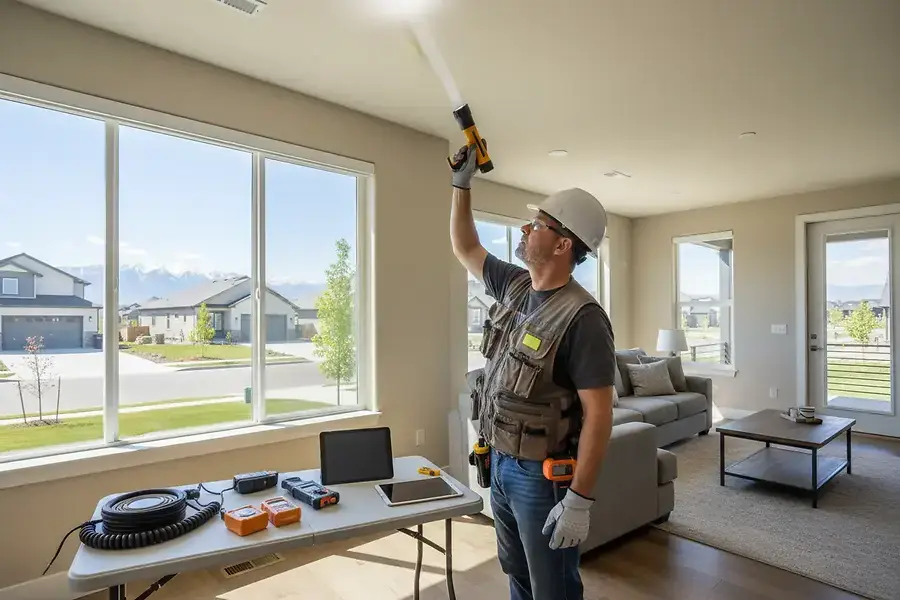
Introduction: Why Home Inspections Matter for Utah Homebuyers
Purchasing a home is one of the most significant financial decisions you'll make in your lifetime. For buyers in Layton and Ogden, Utah, a thorough home inspection is not just a formality—it's your best defense against costly surprises and hidden defects. A professional home inspection provides an objective assessment of a property's condition, helping you understand exactly what you're investing in and identifying potential issues before you sign on the dotted line.
Many first-time homebuyers underestimate the importance of inspections, viewing them as an unnecessary expense. However, the cost of a professional inspection is minimal compared to the potential expenses of repairing major structural issues, electrical problems, or plumbing failures after purchase. This checklist will guide you through the essential areas to evaluate and help you ask the right questions during your inspection.
Critical Areas to Evaluate During Your Home Inspection
Foundation and Structural Integrity
The foundation is the backbone of any home. During your inspection, look for:
- Cracks in the foundation walls or basement floors
- Signs of water damage or moisture intrusion
- Uneven or sloping floors that might indicate settling
- Gaps between walls and the foundation
- Evidence of previous repairs or patching
Why it matters: Foundation issues are expensive to repair and can affect the entire structural integrity of the home. Utah's climate and soil conditions can sometimes contribute to foundation movement, making this inspection particularly important in our region.
Roof and Exterior
The roof protects everything inside your home. Evaluate:
- Age and condition of roofing materials
- Missing, cracked, or curling shingles
- Proper drainage and gutter condition
- Flashing around chimneys and vents
- Exterior siding for damage or deterioration
- Windows and doors for proper sealing and operation
A roof replacement can cost thousands of dollars, so understanding its remaining lifespan is crucial for your long-term budget planning.
Electrical Systems
Electrical safety is paramount. Your inspector should check:
- The main electrical panel and circuit breakers
- Proper grounding and bonding
- GFCI outlets in bathrooms and kitchens
- Adequate outlets and no signs of overloading
- Outdated wiring that may need replacement
Red flag: Older homes with aluminum wiring or knob-and-tube wiring may require costly upgrades for safety and insurance purposes.
Plumbing and Water Systems
Water-related issues can lead to significant damage. Inspect:
- Water pressure and flow from fixtures
- Condition of visible pipes and connections
- Signs of leaks or water stains
- Water heater age and functionality
- Septic system condition (if applicable)
- Proper drainage around the property
Pay special attention to any signs of previous water damage, as this can indicate ongoing moisture problems.
HVAC Systems
Heating and cooling systems are essential for Utah comfort. Verify:
- Age and condition of furnace and air conditioning units
- Proper operation and temperature control
- Clean filters and ductwork
- Thermostat functionality
- Maintenance records if available
Interior Conditions
Don't overlook the details inside:
- Walls and ceilings for cracks, water stains, or mold
- Flooring condition and stability
- Doors and windows operation
- Kitchen appliances and cabinets
- Bathroom fixtures and ventilation
- Insulation levels in attic and walls
Red Flags and Common Issues Found in Layton and Ogden Homes
Water Damage and Moisture Issues
Utah's dry climate can be deceiving. Many homes in Layton and Ogden experience water intrusion from improper grading, inadequate gutters, or foundation cracks. Look for water stains, musty odors, or visible mold growth—these are serious concerns that require professional remediation.
Radon Concerns
Radon is a naturally occurring radioactive gas that can accumulate in basements. While not unique to our area, it's a concern for Utah homebuyers. Request radon testing as part of your inspection process.
Outdated Electrical Systems
Older homes may have insufficient electrical capacity for modern living. If the home has a 60-amp or 100-amp service panel, upgrading to 200 amps might be necessary—a significant expense.
HVAC System Age
Given Utah's temperature extremes, a failing furnace or air conditioning unit is more than an inconvenience. Budget for potential replacement if systems are nearing the end of their lifespan (typically 15-20 years).
Roof Condition
Utah's intense sun and occasional hail storms can accelerate roof deterioration. Have your inspector assess the roof's remaining life and note any damage.
Conclusion: Using Inspection Results to Make Confident Offers
A home inspection report provides valuable information that empowers you as a buyer. Don't view inspection findings as deal-breakers—view them as negotiation points. You can request repairs, ask for credits toward closing costs, or adjust your offer price based on the inspection results.
Remember: A thorough home inspection is an investment in your peace of mind and financial security. It's not about finding reasons to walk away; it's about making an informed decision.
Work closely with your real estate agent and inspector to understand the severity of any issues discovered. Some problems are cosmetic and easily fixed, while others require professional assessment and budgeting. By following this checklist and asking the right questions, you'll be well-equipped to make a confident offer on your Layton or Ogden home.
Your dream home is out there—make sure you're buying it with your eyes wide open.