Essential Home Inspection Checklist for Monroe, MI Home Buyers
Discover the critical inspection checklist that protects your investment and prevents costly surprises in Monroe's competitive market.

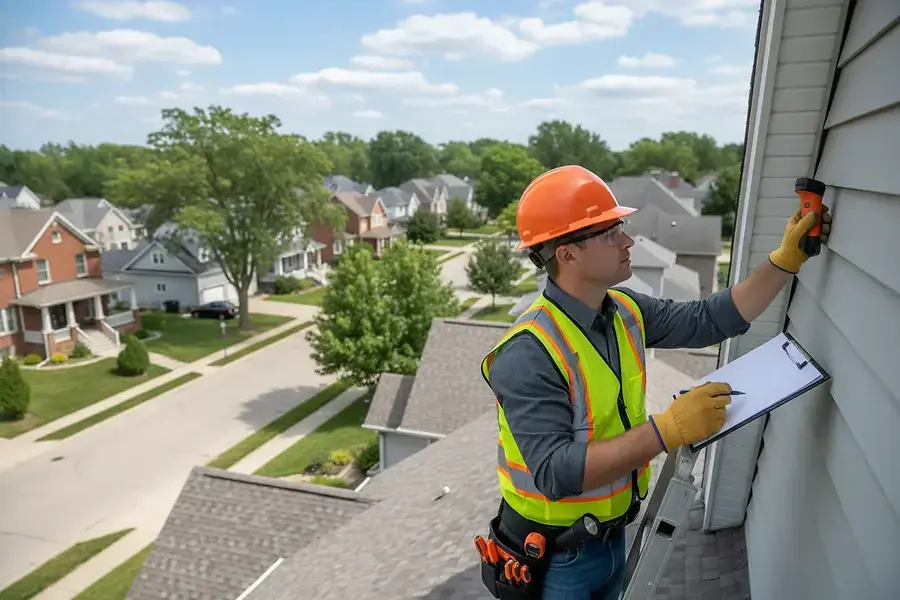
Understanding Home Inspections and Why They Matter in Monroe
Purchasing a home is one of the most significant financial decisions you'll make, and in Monroe's competitive real estate market, a thorough home inspection is your best defense against costly surprises. A professional home inspection provides an objective evaluation of a property's condition, identifying potential issues before you commit to the purchase.
In Monroe, where homes range from historic properties to modern constructions, inspections are particularly valuable. They give you leverage in negotiations, help you understand maintenance needs, and ensure you're making an informed investment. Without a proper inspection, you could inherit expensive repairs that weren't apparent during a casual walkthrough.
The Role of Professional Inspectors
Licensed home inspectors in Monroe are trained to evaluate structural integrity, mechanical systems, and safety features. They provide detailed reports that outline the property's condition and highlight areas requiring attention. This professional assessment protects both your finances and your peace of mind.
Key Areas Inspectors Examine in Older and Newer Monroe Homes
Structural Components
Inspectors carefully examine the foundation, walls, and roof structure. In Monroe's older homes, settling and foundation cracks are common concerns. Newer homes may have issues related to construction quality or material defects. A solid foundation is essential for your home's longevity.
Roofing and Exterior
- Roof condition: Age, missing shingles, and water damage
- Gutters and downspouts: Proper drainage and maintenance
- Siding and trim: Rot, damage, or deterioration
- Windows and doors: Functionality and weatherproofing
Monroe's weather patterns demand particular attention to exterior protection. Inspectors assess whether your home can withstand seasonal changes and moisture exposure.
Plumbing Systems
Water quality and pipe integrity are critical. Inspectors check for:
- Galvanized or corroded pipes that may need replacement
- Water pressure and flow issues
- Leaks in visible pipes and fixtures
- Septic system functionality (for homes not on municipal water)
Electrical Systems
Electrical safety is paramount. Inspectors examine the panel, wiring, outlets, and grounding. Older Monroe homes may have outdated electrical systems that don't meet current safety standards. Newer homes should have proper circuit protection and adequate capacity for modern appliances.
HVAC and Heating
Your heating and cooling systems are essential for comfort and safety. Inspectors evaluate:
- Furnace or heat pump age and condition
- Air conditioning functionality
- Ductwork integrity
- Thermostat operation
Insulation and Ventilation
Proper insulation reduces energy costs and prevents moisture problems. Inspectors check attic insulation levels, basement moisture control, and ventilation systems to ensure your home maintains healthy indoor air quality.
Red Flags to Watch For and When to Negotiate Repairs
Critical Issues Requiring Immediate Attention
Some inspection findings are deal-breakers or require serious negotiation:
- Foundation problems: Cracks, settling, or water intrusion indicate structural concerns
- Roof damage: Missing shingles, leaks, or near-end-of-life roofing requires replacement
- Electrical hazards: Outdated panels, exposed wiring, or improper grounding pose safety risks
- Plumbing failures: Burst pipes, sewage backups, or contaminated water systems need immediate repair
- Mold or asbestos: Health hazards that require professional remediation
Negotiation Strategies
When inspections reveal issues, you have several options:
- Request repairs: Ask the seller to fix critical items before closing
- Negotiate credits: Receive a credit toward closing costs to handle repairs yourself
- Price reduction: Lower the purchase price to account for necessary repairs
- Walk away: If issues are too severe, you can withdraw from the purchase
Minor Issues vs. Major Concerns
Not every inspection finding requires negotiation. Minor cosmetic issues, normal wear and tear, and routine maintenance items are typically the buyer's responsibility. Focus your negotiations on structural problems, safety hazards, and systems nearing the end of their lifespan.
Pro Tip: Request a detailed inspection report and have your real estate agent help you prioritize which findings warrant negotiation. Understanding the difference between maintenance and major repairs is key to making smart decisions.
Conclusion: Making Informed Decisions with Inspection Results
A comprehensive home inspection is an investment in your future. In Monroe's real estate market, where competition is fierce and properties vary widely in age and condition, inspections provide the clarity you need to make confident purchasing decisions.
Use your inspection report as a tool for negotiation, a guide for future maintenance, and a record of your home's condition at purchase. Whether you're buying a charming historic home or a new construction, understanding what inspectors examine and what red flags to watch for protects your investment and ensures you're getting true value for your money.
Don't skip the inspection—it's the smartest decision you can make as a Monroe homebuyer.


