Essential Home Inspection Checklist for NJ and Florida Residential Buyers
Discover critical inspection points that protect your residential investment in East Town, Morris County, and South Florida markets.

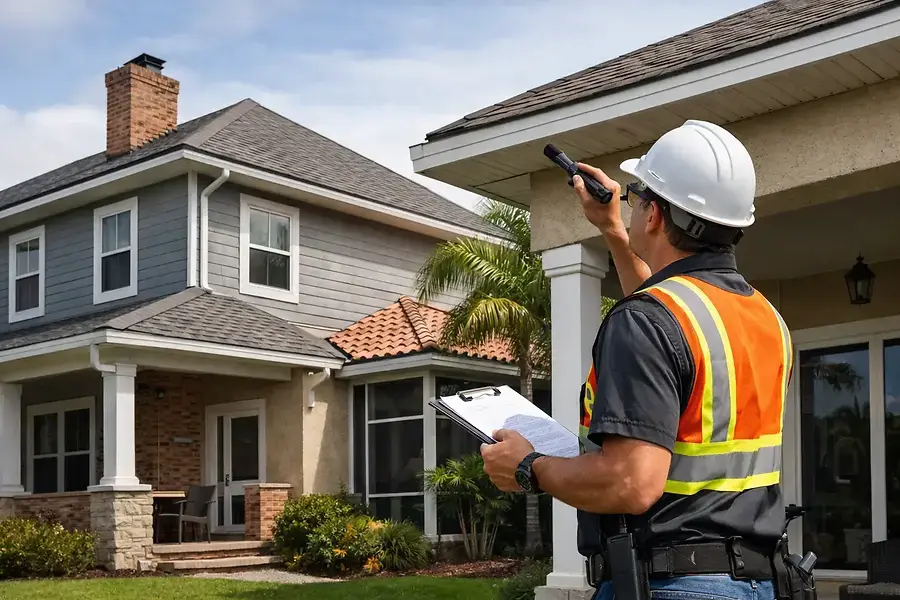
Why Professional Home Inspections Matter Across Different Climates
Purchasing a home is one of the most significant financial decisions you'll make in your lifetime. Whether you're investing in East Town, Morris County, or the South Florida market, a professional home inspection is your first line of defense against costly surprises. The climate differences between New Jersey and Florida create unique challenges that every buyer must understand.
New Jersey's cold winters and freeze-thaw cycles present distinct structural concerns, while Florida's humid subtropical climate brings moisture-related issues and hurricane preparedness requirements. A thorough inspection tailored to your region's specific environmental conditions can save you tens of thousands of dollars in repairs and provide peace of mind before closing.
Professional inspectors bring expertise that untrained eyes simply cannot provide. They identify hidden problems, assess the age and condition of major systems, and help you understand what maintenance lies ahead. This knowledge empowers you to negotiate better terms or walk away from problematic properties.
Key Inspection Areas: Comparing NJ and Florida Residential Standards
Foundation and Structural Integrity
New Jersey Properties: Inspectors must examine foundations for frost heave damage, which occurs when ground freezes and thaws repeatedly. Look for cracks in basement walls, uneven floors, and signs of water intrusion from snow melt.
Florida Properties: Focus on slab foundations for settling, cracks, and moisture issues. The sandy soil and high water table in South Florida require special attention to foundation stability and drainage systems.
Roofing and Weather Protection
New Jersey: Inspect roof condition for ice dam damage, proper ventilation to prevent ice buildup, and the ability to withstand heavy snow loads. Asphalt shingles typically last 15-20 years in this climate.
Florida: Hurricane-resistant roofing is essential. Check for impact-resistant shingles, proper fastening, and compliance with current building codes. Metal roofs and reinforced trusses are increasingly common in South Florida.
HVAC and Climate Control Systems
New Jersey: Heating systems are critical. Evaluate furnaces, boilers, and heat pump efficiency. Air conditioning is secondary but increasingly important for summer comfort.
Florida: Air conditioning systems work year-round and require robust capacity. Check for proper refrigerant levels, adequate ductwork, and humidity control capabilities. Dehumidifiers are often necessary in South Florida homes.
Plumbing and Water Systems
Both regions require careful plumbing inspection, but for different reasons:
- NJ: Check for freeze-resistant piping, proper insulation in unheated areas, and water heater capacity for cold-weather demands
- Florida: Inspect for corrosion from salt air (especially near coastal areas), proper water pressure, and adequate drainage systems to handle heavy rainfall
Electrical Systems
Both regions require updated electrical panels and grounding systems. In Florida, ensure proper surge protection and breaker capacity for air conditioning loads. In New Jersey, verify adequate heating capacity and proper grounding for safety.
Moisture and Mold Prevention
New Jersey: Inspect basements and crawl spaces for water intrusion, proper grading, and sump pump functionality. Winter moisture from snow melt is a primary concern.
Florida: Moisture control is paramount. Check for proper ventilation, dehumidification systems, and signs of mold or mildew. The high humidity creates ideal conditions for mold growth if not properly managed.
Red Flags and Deal-Breakers: What to Watch For in Each Market
Critical Issues in New Jersey Properties
- Basement water damage or active leaks – Indicates foundation problems or inadequate drainage
- Outdated heating systems – Replacement costs can exceed $5,000-$8,000
- Roof damage or age beyond 20 years – New roofs cost $10,000-$20,000+
- Asbestos or lead paint – Common in older homes; remediation is expensive and regulated
- Inadequate insulation – Leads to high heating bills and comfort issues
Critical Issues in Florida Properties
- Roof damage or non-compliant hurricane protection – Insurance and safety concerns
- Evidence of mold or moisture damage – Can spread rapidly in humid climate
- Outdated air conditioning systems – Replacement costs $5,000-$10,000
- Foundation cracks or settling – Expensive to repair in sandy soil conditions
- Inadequate drainage or flood risk – Check flood maps and elevation certificates
- Corroded plumbing from salt air – Particularly in coastal South Florida areas
Universal Red Flags
"A professional home inspection is not an expense—it's an investment in your financial security and peace of mind."
Regardless of location, watch for:
- Structural cracks or settling
- Outdated electrical panels or wiring
- Signs of pest infestation or termite damage
- Inadequate ventilation in attics or crawl spaces
- Failing septic systems (in properties without municipal sewage)
Using Inspection Reports to Negotiate Better Deals
A comprehensive inspection report is your negotiating tool. Once you receive the report, you have several options:
Request Repairs
Ask the seller to repair significant issues before closing. This is most effective for major systems like roofing, HVAC, or foundation work.
Request Credits
Negotiate a credit toward closing costs to handle repairs yourself. This gives you control over contractor selection and quality.
Renegotiate Price
Use inspection findings to justify a lower offer price that accounts for necessary repairs and future maintenance.
Walk Away
Sometimes the best negotiation is walking away. If inspection reveals deal-breaker issues, you have the right to terminate the contract during the inspection period.
In East Town, Morris County, and South Florida markets, informed buyers consistently make better decisions. A professional home inspection costs $300-$500 but can save you from purchasing a property with $50,000+ in hidden problems.
Before signing on the dotted line, invest in a thorough inspection by a certified professional familiar with your region's specific challenges. Your future self will thank you for the diligence.


