Essential Home Inspection Checklist for Northeast Florida Properties
Protect your investment with this comprehensive guide to inspecting homes in Jacksonville, St. Augustine, and surrounding communities.

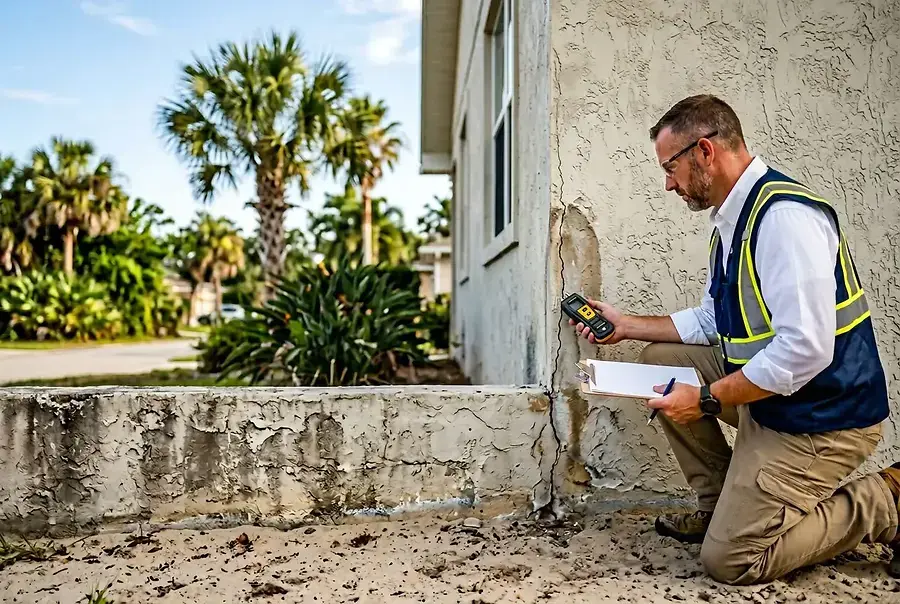
Introduction: Why Professional Home Inspections Matter in Northeast Florida's Diverse Market
Purchasing a home is one of the most significant investments you'll make in your lifetime. In Northeast Florida—encompassing Jacksonville, St. Augustine, and surrounding communities—the real estate market presents unique challenges and opportunities. The region's subtropical climate, coastal proximity, and diverse architectural styles demand a thorough inspection process that goes beyond standard national guidelines.
A professional home inspection is your opportunity to identify potential issues before closing on a property. In Northeast Florida, where homes face distinct environmental pressures, understanding what to look for can save you thousands of dollars in repairs and protect your investment for years to come.
Structural and Foundation Concerns Specific to Florida Homes
Foundation Issues in Sandy Soil
Northeast Florida's sandy soil composition creates unique foundation challenges. Unlike homes built on clay or rock, properties here are susceptible to settling and shifting as the sandy substrate compacts over time. During your inspection, pay close attention to:
- Cracks in foundation walls – Look for both horizontal and vertical cracks, which may indicate settling or structural stress
- Uneven floors – Walk through the home and notice if floors slope or feel uneven, suggesting foundation movement
- Door and window alignment – Misaligned frames can indicate foundation settling
- Pier and beam systems – Many older homes use this construction method; ensure piers are properly supported and not deteriorating
Concrete and Slab Concerns
Many modern Northeast Florida homes use concrete slab foundations. These are particularly vulnerable to moisture intrusion and cracking. Inspect for:
- Visible cracks or spalling on the slab surface
- Evidence of water seepage or staining
- Proper drainage around the foundation perimeter
- Adequate slope away from the home to prevent water pooling
Structural Framing and Wood Damage
Wood rot and termite damage are serious concerns in Florida's humid climate. Inspect all exposed wood, including:
- Wooden posts and beams in crawl spaces
- Fascia boards and soffit areas
- Window and door frames
- Deck and porch structures
Look for soft spots, discoloration, or evidence of insect activity. A moisture meter can help identify areas at risk before visible damage appears.
Climate-Related Issues: Moisture, Mold, and Hurricane Readiness
Moisture and Mold Prevention
Northeast Florida's high humidity and frequent rainfall create ideal conditions for mold growth. During your inspection, examine:
- Attic ventilation – Proper airflow prevents moisture accumulation in the attic space
- Bathroom and kitchen exhaust fans – Ensure they vent outside, not into the attic
- Crawl space conditions – Look for standing water, inadequate vapor barriers, or signs of mold
- HVAC systems – Check that condensation lines drain properly and aren't clogged
- Roof condition – Leaks are the primary cause of interior moisture problems
Pro tip: Request a mold inspection if you notice musty odors or see visible mold growth. This specialized inspection can identify hidden moisture problems.
Roof and Weather Protection
Your roof is your home's first line of defense against Florida's weather. Inspect for:
- Missing, cracked, or curling shingles
- Proper flashing around chimneys, vents, and skylights
- Gutters and downspouts in good condition and properly secured
- Age of the roof – Florida's intense sun degrades roofing materials faster than in other regions
- Proper attic ventilation and insulation
Hurricane Readiness and Wind Resistance
Living in Northeast Florida means preparing for hurricane season. A thorough inspection should evaluate your home's hurricane preparedness:
- Impact-resistant windows and doors – These significantly reduce damage from flying debris
- Roof-to-wall connections – Proper fastening prevents roofs from lifting during high winds
- Garage doors – Reinforced or impact-resistant doors prevent wind pressure buildup inside the home
- Exterior wall condition – Cracks or gaps allow wind and water infiltration
- Shutters or storm protection – Check that existing protection systems are functional
Did you know? Homes with proper roof-to-wall connections and impact-resistant windows can reduce hurricane damage by up to 50%. These upgrades are worth investigating during your inspection.
Plumbing and Water Systems
Florida's water quality and high humidity affect plumbing systems differently than other regions. Check for:
- Corrosion on copper pipes, common in coastal areas due to salt air
- Proper water pressure and flow rates
- Water heater age and condition
- Sump pump functionality in homes with crawl spaces
- Proper grading and drainage to prevent water accumulation near the foundation
Conclusion: Making Informed Decisions with a Professional Inspection
A comprehensive home inspection is essential when purchasing property in Northeast Florida. The region's unique climate, soil conditions, and environmental factors require specialized knowledge and attention to detail. By understanding what to look for—from foundation settling in sandy soil to moisture management and hurricane preparedness—you can make informed decisions that protect your investment.
Remember: Always hire a licensed, experienced home inspector familiar with Northeast Florida properties. They'll understand the specific challenges homes face in Jacksonville, St. Augustine, and surrounding communities. Don't hesitate to ask questions about any concerns they identify, and consider requesting specialized inspections for mold, termites, or structural issues if needed.
Your home inspection is an investment in peace of mind and financial security. Take the time to do it right, and you'll enjoy your Northeast Florida home with confidence for years to come.