Essential Home Inspection Checklist for Pasadena Homebuyers
Discover the critical inspection points that protect your investment in Pasadena's competitive real estate market.

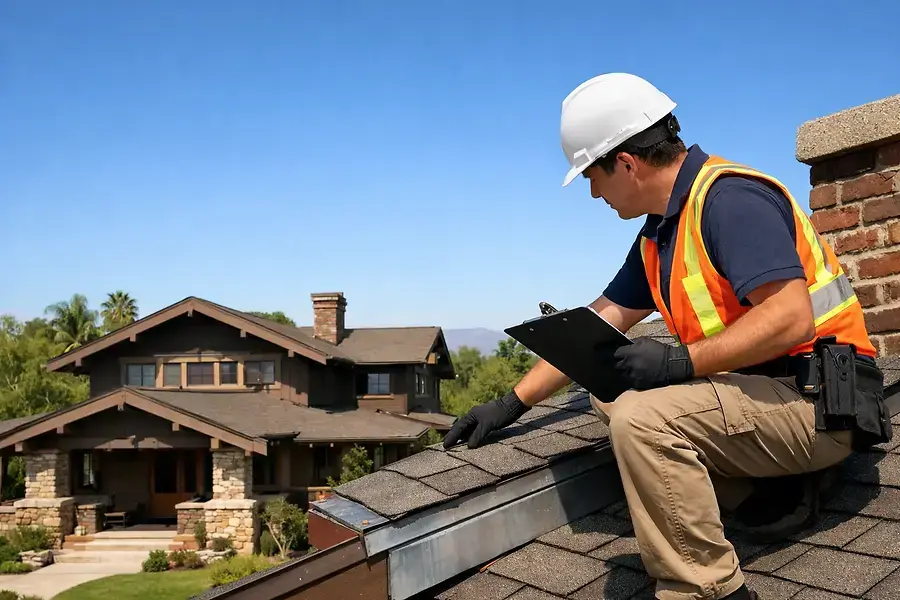
Understanding Pasadena's Unique Home Construction Standards
Pasadena's real estate market is known for its diverse architectural styles, ranging from historic Craftsman homes to modern contemporary properties. When purchasing a home in this competitive market, understanding the local construction standards is crucial for making an informed decision. Pasadena homes often feature unique construction methods that reflect the area's rich history and climate considerations.
The Southern California climate, with its warm, dry summers and mild winters, has shaped how homes in Pasadena are built. Many properties feature specific design elements meant to handle the region's occasional seismic activity and intense sun exposure. Additionally, older homes in Pasadena may have outdated electrical systems, plumbing, or roofing materials that require special attention during inspection.
Key considerations for Pasadena properties include:
- Seismic reinforcement and foundation stability
- Roof materials suited for the local climate
- Water damage and moisture control systems
- Age-appropriate electrical and plumbing systems
- Compliance with local building codes and regulations
Key Inspection Areas: Foundation, Roof, and Systems
Foundation and Structural Integrity
The foundation is the most critical component of any home, and in Pasadena, this is especially important due to the region's seismic activity. During your inspection, pay close attention to any visible cracks, settling, or signs of water intrusion in the foundation. A professional inspector should examine:
- Cracks in concrete or masonry
- Evidence of foundation settling or shifting
- Water damage or moisture in the basement or crawl space
- Proper grading around the foundation to prevent water pooling
- Seismic bracing and reinforcement measures
Roof Condition and Longevity
Pasadena's intense sun exposure can significantly impact roof longevity. A thorough roof inspection should assess the age, material condition, and remaining lifespan of the roofing system. Key areas to evaluate include:
- Shingle condition and signs of deterioration
- Flashing around chimneys, vents, and skylights
- Gutter and downspout functionality
- Attic ventilation and insulation
- Evidence of past leaks or water damage
If the roof is nearing the end of its expected lifespan, budget for replacement costs in your negotiation strategy.
Electrical, Plumbing, and HVAC Systems
These critical systems require careful evaluation to ensure safety and functionality. Older Pasadena homes may have outdated electrical panels, aluminum wiring, or galvanized pipes that could pose problems. During inspection, verify:
- Electrical panel capacity and safety compliance
- Presence of ground fault circuit interrupters (GFCIs)
- Water pressure and pipe condition
- HVAC system age and operational status
- Proper ventilation and air quality systems
Red Flags and How to Negotiate After Inspection Results
Common Red Flags in Pasadena Homes
Certain issues should raise immediate concerns and warrant further investigation or professional evaluation. Watch for these red flags:
- Visible mold or mildew – Indicates moisture problems that could affect health and structural integrity
- Outdated electrical systems – Aluminum wiring or insufficient grounding poses fire hazards
- Plumbing leaks – Can lead to water damage and costly repairs
- Roof damage or age – Replacement costs can be substantial
- Foundation cracks – May indicate serious structural issues requiring expert assessment
- Pest damage – Termites or other pests can compromise structural integrity
- Outdated or missing permits – Unpermitted renovations can complicate future sales
Negotiation Strategies After Inspection
Once you have the inspection report, you have several options for negotiating with the seller. Consider these approaches:
Request repairs: Ask the seller to fix identified issues before closing. This is most effective for significant problems that affect safety or functionality.
Price reduction: Negotiate a lower purchase price to account for repair costs you'll handle yourself. This gives you control over the quality of work performed.
Escrow holdback: Arrange for a portion of the purchase price to be held in escrow until repairs are completed to your satisfaction.
Walk away: If inspection reveals major structural or safety issues, you may have the right to terminate the purchase agreement, depending on your inspection contingency terms.
Pro Tip: Always hire a licensed, experienced home inspector familiar with Pasadena's unique construction styles and local building codes. Their expertise can identify issues that general inspectors might miss.
Conclusion: Making Informed Decisions with Inspection Data
A comprehensive home inspection is one of the most important steps in the home-buying process, particularly in Pasadena's competitive real estate market. By understanding local construction standards, knowing which areas to scrutinize, and recognizing red flags, you can make informed decisions that protect your investment.
Don't skip the inspection or accept a seller's assurances without professional verification. The cost of a thorough inspection is minimal compared to the potential expense of addressing undiscovered problems after purchase. Use the inspection report as a negotiating tool and a roadmap for understanding your new home's condition and maintenance needs.
With proper due diligence and professional guidance, you'll be well-equipped to navigate Pasadena's real estate market with confidence and secure a home that meets your needs and expectations.