Essential Home Inspection Checklist for Ridgewood and NYC Buyers
Master the critical inspection checklist every residential buyer needs to know before closing on their new home.

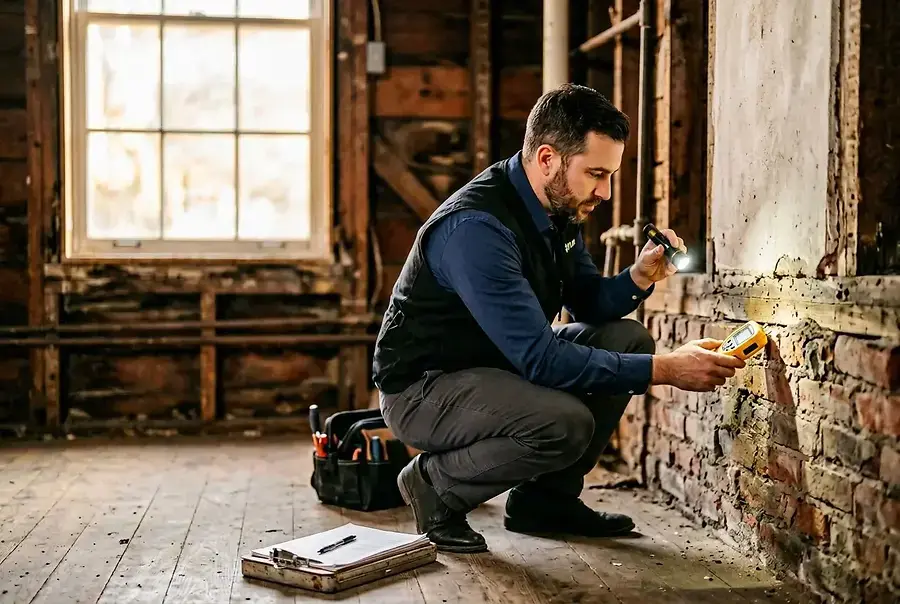
Why Home Inspections Are Non-Negotiable in Today's Market
In the competitive real estate markets of Ridgewood and New York City, home inspections have become more critical than ever. Whether you're purchasing a charming brownstone in Brooklyn or a modern condo in Manhattan, a comprehensive home inspection is your safeguard against costly surprises after closing. Many first-time buyers underestimate the importance of this step, viewing it as an optional expense rather than essential due diligence.
A professional home inspection provides an objective assessment of a property's condition, identifying structural issues, mechanical problems, and safety hazards that may not be visible to the untrained eye. In older neighborhoods like Ridgewood, where many homes date back decades, inspections are particularly vital. They reveal the true state of aging systems and help you make informed decisions about your investment.
Key Areas Inspectors Evaluate in Older Ridgewood Homes vs Modern NYC Buildings
Foundation and Structural Integrity
Inspectors begin by examining the foundation, walls, and overall structural soundness. In older Ridgewood homes, look for signs of settling, cracks in masonry, or water damage. Modern NYC buildings typically have more stable foundations but may have issues related to neighboring construction or underground infrastructure.
- Cracks in foundation: Small hairline cracks are normal, but larger cracks may indicate serious problems
- Water intrusion: Particularly common in older homes with aging waterproofing
- Structural support: Verify that load-bearing walls and beams are intact
Roofing and Exterior
The roof is one of the most expensive components to replace. Inspectors evaluate shingle condition, flashing, gutters, and overall weatherproofing. Older Ridgewood homes may have roofs nearing the end of their lifespan, while newer NYC buildings should have warranties on their roofing systems.
- Roof age and condition: Most roofs last 15-25 years
- Flashing and seals: Check around chimneys, vents, and skylights
- Gutter systems: Ensure proper drainage away from the foundation
- Exterior walls: Look for deteriorating brick, siding, or caulking
Plumbing Systems
Plumbing issues can be expensive and disruptive. Inspectors test water pressure, check for leaks, and evaluate the age of pipes. Older homes in Ridgewood may have outdated galvanized pipes that need replacement, while modern buildings typically have copper or PEX piping.
- Pipe material and age: Galvanized pipes often need replacement after 50+ years
- Water pressure and flow: Test all fixtures throughout the home
- Drainage: Check for slow drains or backups
- Water heater: Verify age, condition, and capacity
Electrical Systems
Electrical safety is paramount. Inspectors verify that the electrical panel is properly grounded, check for outdated wiring, and ensure outlets are safely installed. Older Ridgewood homes may have knob-and-tube wiring or insufficient capacity for modern electrical demands.
- Panel capacity: Ensure the system can handle current electrical needs
- Wiring type: Outdated wiring may pose fire hazards
- Grounding and bonding: Critical for safety
- GFCI outlets: Required in kitchens, bathrooms, and outdoor areas
HVAC and Climate Control
Heating, ventilation, and air conditioning systems are essential for comfort and health. Inspectors evaluate furnaces, air conditioners, and ventilation. In NYC's climate, both heating and cooling systems are necessary investments.
- System age and efficiency: Older systems may be costly to operate
- Maintenance records: Regular servicing extends system life
- Ductwork condition: Check for leaks or blockages
- Thermostat functionality: Verify proper temperature control
Red Flags to Watch For and When to Negotiate Repairs
Major Red Flags
Some issues are deal-breakers or require serious negotiation:
- Foundation problems: Structural repairs can cost $10,000-$50,000+
- Roof replacement needed: Budget $8,000-$25,000 depending on size and materials
- Mold or water damage: Can indicate ongoing moisture problems and health hazards
- Outdated electrical systems: Knob-and-tube wiring or insufficient panel capacity
- Plumbing issues: Galvanized pipes, sewage backups, or lead pipes
- HVAC system failure: Replacement costs $5,000-$15,000
Minor Issues Worth Negotiating
Not every issue requires walking away. Some problems can be negotiated as seller repairs or credits:
- Missing caulking or weatherstripping
- Cosmetic damage to fixtures or finishes
- Minor roof repairs or gutter cleaning
- Outlet or light fixture replacements
- Paint touch-ups or drywall repairs
Negotiation Strategy
When red flags appear, you have several options: request that the seller make repairs before closing, ask for a credit to cover repairs yourself, or renegotiate the purchase price. In competitive NYC markets, sellers may resist major concessions, but serious structural or safety issues provide legitimate leverage. Always get repair estimates from licensed contractors to support your negotiation position.
Protecting Your Investment Through Thorough Due Diligence
A comprehensive home inspection is your most important tool for protecting your investment. Don't skip this step or rush through it. Hire a licensed, experienced inspector who specializes in your property type—older homes require different expertise than modern buildings.
Key takeaways for Ridgewood and NYC buyers:
- Schedule inspections early in the purchase process
- Attend the inspection and ask questions
- Request detailed written reports with photos
- Get second opinions on major issues
- Budget for repairs and maintenance in your offer
- Don't let emotions override inspection findings
Your home is likely the largest purchase you'll ever make. Taking time to thoroughly evaluate its condition through professional inspection ensures you're making an informed decision and protecting your financial future. In the dynamic real estate markets of Ridgewood and New York City, due diligence isn't optional—it's essential.