Essential Home Inspection Checklist for Santa Rosa Property Buyers
Discover the critical items every homebuyer should verify during a property inspection to avoid costly surprises in Santa Rosa's competitive market.

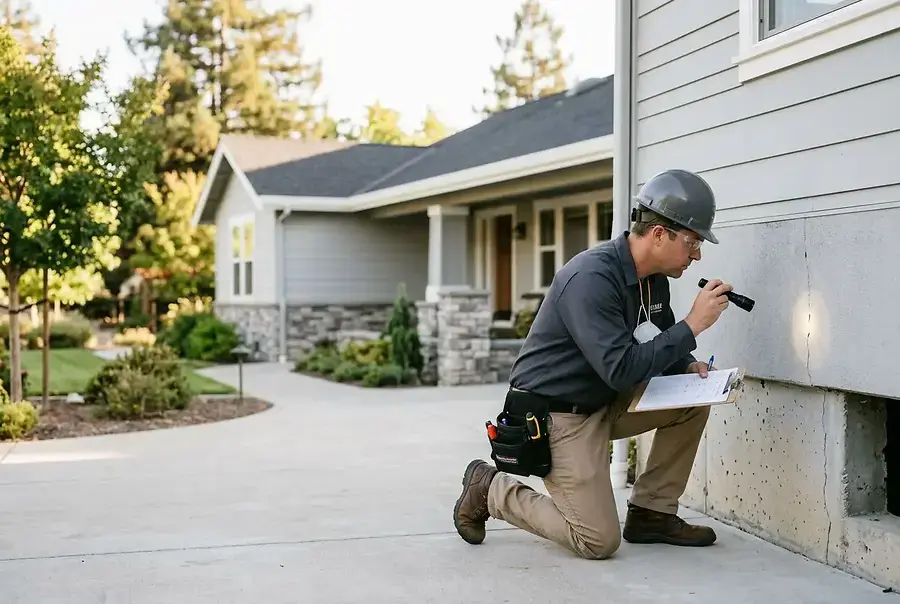
Why Home Inspections Matter in Santa Rosa
Purchasing a home in Santa Rosa is one of the most significant financial decisions you'll make. The competitive real estate market in this vibrant Northern California community means that properties often sell quickly, leaving little time for thorough evaluation. A professional home inspection is your safeguard against inheriting costly problems that could drain your finances and diminish your quality of life.
Home inspections reveal hidden defects that aren't visible during a casual walkthrough. From structural issues to failing systems, these problems can cost thousands of dollars to repair. By understanding what to look for during an inspection, you empower yourself to make informed decisions and negotiate effectively with sellers.
Structural and Foundation Elements to Evaluate
Foundation Integrity
The foundation is your home's backbone. During inspection, look for:
- Cracks and settling: Small hairline cracks are normal, but larger cracks or stair-step patterns indicate serious problems
- Water damage and moisture: Efflorescence (white powder deposits) suggests water intrusion
- Uneven floors: Walk through rooms and notice if floors slope or feel uneven
- Basement or crawl space conditions: Check for standing water, mold, or pest damage
Roof and Exterior
Santa Rosa's weather patterns demand a robust roof. Inspect for:
- Shingle condition: Missing, curled, or deteriorating shingles reduce protection
- Flashing integrity: Damaged flashing around chimneys and vents allows water penetration
- Gutters and downspouts: Ensure they're clean, properly attached, and direct water away from the foundation
- Siding and exterior walls: Look for rot, gaps, or damage that compromises weather resistance
Windows and Doors
These elements affect both security and energy efficiency. Verify that:
- Windows open and close smoothly without sticking
- Seals are intact and there's no condensation between panes
- Doors hang properly and locks function correctly
- Weather stripping is present and in good condition
Systems and Safety Features: Electrical, Plumbing, HVAC, and More
Electrical System
A safe electrical system is non-negotiable. Your inspector should examine:
- Panel and breakers: Ensure the main panel is properly sized and breakers function correctly
- Wiring: Outdated aluminum wiring or knob-and-tube wiring poses fire hazards
- Outlets and switches: Test for proper grounding and polarity
- GFCI protection: Verify ground-fault circuit interrupters are installed in bathrooms and kitchens
Plumbing System
Water-related issues are among the most expensive to repair. Check for:
- Pipe material and age: Older galvanized pipes may corrode; polybutylene pipes are prone to failure
- Water pressure and flow: Test all fixtures to ensure adequate pressure
- Leaks and water stains: Look under sinks and in basements for evidence of leaks
- Septic or sewer system: Verify proper function and maintenance records
- Water heater: Check age, condition, and capacity for your household needs
HVAC System
Heating and cooling systems are essential for comfort and health. Evaluate:
- Age and condition: Systems typically last 15-20 years; older units may need replacement soon
- Maintenance records: Regular servicing indicates proper care
- Ductwork: Check for leaks, disconnections, or inadequate insulation
- Thermostat functionality: Ensure it controls temperature effectively
Safety Features
Don't overlook critical safety elements:
- Smoke and carbon monoxide detectors: Verify they're present and functional
- Fire extinguishers: Check that accessible extinguishers are available
- Stair railings: Ensure they meet safety codes and are secure
- Attic ventilation: Proper ventilation prevents moisture buildup and extends roof life
Insulation and Ventilation
Energy efficiency impacts your utility bills significantly. Assess:
- Attic insulation levels and condition
- Basement or crawl space insulation
- Proper ventilation in bathrooms and kitchen
- Air sealing around penetrations and gaps
Protecting Your Investment with a Thorough Inspection
A comprehensive home inspection is your best defense against unexpected expenses and safety hazards. In Santa Rosa's fast-paced market, taking time to thoroughly evaluate a property demonstrates due diligence and protects your investment for years to come.
Pro Tips for the Inspection Process:
- Hire a certified, licensed home inspector with local experience
- Attend the inspection in person to ask questions and understand findings
- Request a detailed written report with photographs of issues
- Use inspection results to negotiate repairs or price adjustments
- Keep the inspection report for future reference and warranty claims
By following this essential checklist and working with qualified professionals, you'll gain confidence in your Santa Rosa home purchase. A thorough inspection isn't just about finding problems—it's about understanding your new home's condition and planning for future maintenance. This knowledge empowers you to make smart decisions and protect one of your most valuable assets.