Essential Home Inspection Checklist for Southwestern Illinois Buyers
Protect your investment by knowing what to look for during a home inspection across Madison and St. Clair counties.

Why Home Inspections Matter in Illinois Real Estate
Purchasing a home is one of the most significant financial decisions you'll make in your lifetime. In Southwestern Illinois, particularly across Madison and St. Clair counties, a thorough home inspection is your best defense against costly surprises after closing. A professional home inspection provides an objective evaluation of a property's condition, identifying potential issues before they become expensive problems.
Many buyers overlook the importance of inspections, assuming that if a house looks good on the surface, it must be sound. However, structural damage, mechanical failures, and system issues often hide behind walls and under foundations. In the Southwestern Illinois region, where many homes were built decades ago, understanding what to inspect can save you thousands of dollars in repairs and provide peace of mind in your investment.
Key Areas to Inspect: Structural, Mechanical, and Systems
Structural Components
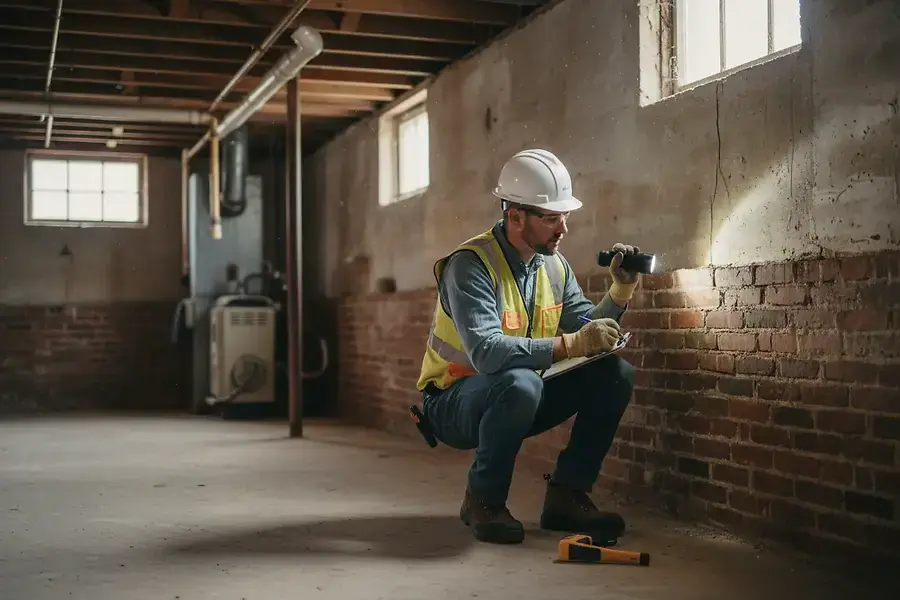
The foundation is the backbone of any home. Look for cracks in the foundation, water damage, or signs of settling. In Southwestern Illinois, where soil conditions vary, foundation issues are particularly common in older properties. Inspect the basement or crawl space carefully for moisture, mold, or structural cracks that could indicate serious problems.
Examine the roof and attic thoroughly. Check for missing or damaged shingles, proper ventilation, and signs of leaks. The roof's age is critical—most roofs last 20-25 years, and replacement can be expensive. Look for water stains on attic wood and insulation, which indicate past or present leaks.
Don't forget about walls and siding. Check for cracks, warping, or deterioration. Brick homes common in the region should be inspected for mortar deterioration and structural integrity.
Mechanical Systems
The HVAC system (heating, ventilation, and air conditioning) is essential for comfort and efficiency. Ask for maintenance records and have the system professionally tested. Older furnaces and air conditioning units may need replacement soon, which is a substantial expense.
Inspect the plumbing system carefully. Check water pressure, drainage, and look for signs of leaks under sinks and around toilets. In older Southwestern Illinois homes, galvanized pipes may be corroded, affecting water quality and flow. Ask about the age of the water heater—most last 10-15 years.
The electrical system should be evaluated by a licensed electrician. Outdated wiring, insufficient outlets, and overloaded circuits are common issues in older homes. Ensure the home has adequate electrical capacity for modern appliances and devices.
Home Systems and Components
Inspect windows and doors for proper operation, weatherstripping, and signs of water infiltration. Check insulation levels in the attic and walls—poor insulation leads to higher energy bills.
Examine appliances included in the sale. Test them to ensure they function properly. Look at the condition of flooring, checking for water damage, warping, or structural issues beneath the surface.
Red Flags and Common Issues Found in Older Southwestern Illinois Homes
Water Damage and Moisture Problems
Water damage is one of the most serious issues in older homes. Look for staining on ceilings and walls, soft spots in flooring, and musty odors indicating mold. Basements in the region are particularly susceptible to water intrusion, especially during heavy rains. Check for efflorescence (white mineral deposits) on basement walls, which indicates water seepage.
Outdated or Failing Systems
Many older homes in Madison and St. Clair counties have original plumbing and electrical systems that are no longer adequate for modern living. Knob-and-tube wiring, cast iron pipes, and outdated panels are red flags. These systems may need complete replacement, which is costly.
Pest and Pest Damage
Termite damage is a serious concern in Illinois. Look for hollow-sounding wood, mud tubes, and visible termite activity. Carpenter ants and other pests can cause significant structural damage if left unchecked.
Roof and Attic Issues
Beyond visible damage, check for inadequate ventilation, which can lead to premature roof failure and ice dams in winter. Improper attic insulation and ventilation are common problems in older homes.
HVAC System Age and Condition
Furnaces and air conditioning units over 15 years old may be inefficient and prone to failure. Replacement costs can exceed $5,000-$10,000, so factor this into your offer if the system is aging.
Using Inspection Results to Make Confident Buying Decisions
Once you receive the inspection report, don't panic if issues are found—most homes have some problems. Prioritize the findings by severity. Structural issues and system failures are more urgent than cosmetic concerns.
Use the inspection report as a negotiation tool. Request that the seller address major issues or provide credits toward repairs. For significant problems, obtain repair estimates to understand the true cost of remediation.
Consider hiring specialized inspectors for specific concerns. If the general inspector finds potential foundation issues, hire a structural engineer. If electrical problems are suspected, consult a licensed electrician.
Remember, a home inspection protects your investment and gives you the information needed to make an informed decision. In Southwestern Illinois, where homes vary widely in age and condition, a thorough inspection is not just recommended—it's essential. Take your time reviewing the report, ask questions, and don't hesitate to walk away if major issues outweigh the property's value.
Your dream home awaits, but only after you've verified it's built on a solid foundation.