Essential Home Inspection Checklist for Sun Belt Residential Buyers
Discover the critical inspection points every homebuyer should know before purchasing in McAllen, Dallas, Phoenix, Charlotte, or Atlanta.

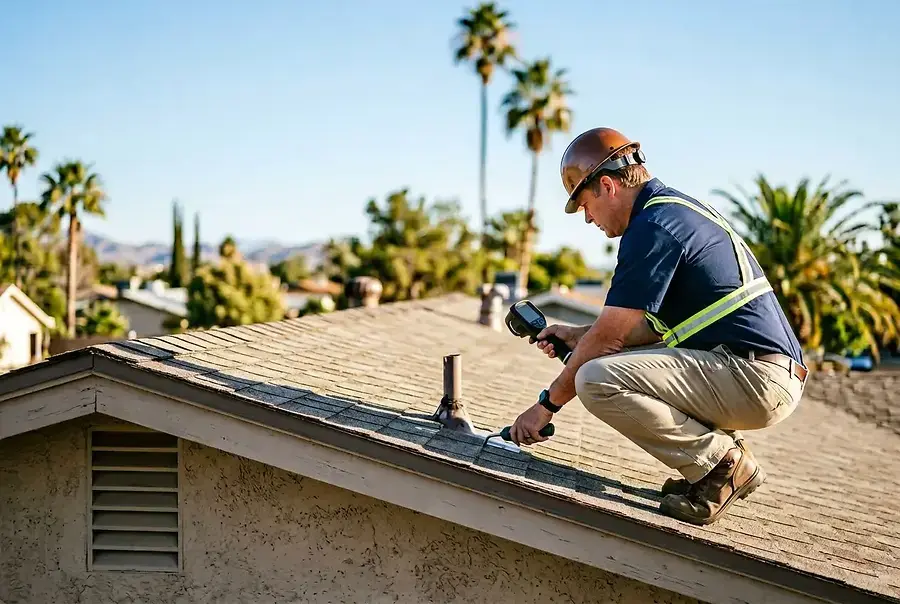
Why Professional Home Inspections Matter in High-Growth Markets
The Sun Belt region continues to attract homebuyers with its booming job markets, affordable housing, and warm climates. Cities like McAllen, Dallas, Phoenix, Charlotte, and Atlanta are experiencing unprecedented growth, making them attractive destinations for both first-time and experienced homebuyers. However, rapid development and region-specific environmental challenges make professional home inspections more critical than ever.
A thorough home inspection protects your investment by identifying potential issues before you sign the final papers. In high-growth markets where properties change hands quickly, inspections serve as your safeguard against inheriting costly repairs. Whether you're buying a newly constructed home or an older property, understanding what inspectors look for can help you make informed decisions and negotiate better terms.
Climate-Specific Inspection Concerns: From Heat Damage in Phoenix to Humidity Issues in the Southeast
Phoenix and Desert Heat Challenges
Phoenix's extreme heat presents unique inspection concerns that buyers must understand. The intense sun can cause significant damage to roofing materials, with asphalt shingles deteriorating faster than in cooler climates. During your inspection, pay special attention to:
- Roof condition and age – Look for curling, cracking, or missing shingles that indicate heat damage
- Air conditioning systems – Verify that HVAC units are properly sized and functioning efficiently
- Window and door seals – Check for gaps that allow cool air to escape
- Exterior paint and caulking – Sun exposure can cause premature fading and deterioration
Southeast Humidity and Moisture Issues
Charlotte and Atlanta face different challenges related to high humidity and moisture accumulation. These conditions create ideal environments for mold growth, wood rot, and foundation problems. Inspectors in these regions should thoroughly examine:
- Crawl spaces and basements – Look for standing water, moisture stains, or mold growth
- Attic ventilation – Proper airflow prevents moisture buildup and extends roof life
- Grading and drainage – Ensure water flows away from the foundation
- Wood framing and structural elements – Check for signs of rot or insect damage
Texas Regional Considerations
McAllen and Dallas experience both heat and occasional severe weather. Inspections should focus on storm-resistant features and proper construction standards. Pay attention to roof fastening, impact-resistant windows, and structural integrity that can withstand high winds.
Red Flags to Watch For: Structural, Electrical, and HVAC Systems Across Different Regions
Structural Red Flags
Regardless of location, certain structural issues demand immediate attention. During your inspection, watch for:
- Foundation cracks – Small hairline cracks may be normal, but larger or diagonal cracks indicate serious problems
- Uneven floors – Use a level to check if floors slope or dip unexpectedly
- Bowing or warped walls – These suggest foundation settlement or structural movement
- Water damage stains – Look for discoloration on ceilings, walls, and around windows
Electrical System Concerns
Older homes in growing markets may have outdated electrical systems that don't meet current demands. Your inspector should verify:
- Panel capacity – Ensure the electrical panel can handle modern appliances and devices
- Grounding and bonding – Proper grounding protects against electrical hazards
- GFCI outlets – Bathrooms, kitchens, and outdoor areas should have ground fault protection
- Aluminum wiring – Some older homes have aluminum wiring, which poses fire risks and should be evaluated
HVAC System Evaluation
In Sun Belt climates, air conditioning systems work overtime. A failing HVAC system can be one of the most expensive repairs. Inspectors should assess:
- Age and condition – Most units last 10-15 years; older systems may need replacement soon
- Refrigerant levels – Low refrigerant indicates leaks or improper maintenance
- Ductwork integrity – Leaky ducts reduce efficiency and increase energy costs
- Thermostat functionality – Verify that temperature control works properly throughout the home
Plumbing and Water Quality
Water pressure and flow should be consistent throughout the home. Check for:
- Slow drains or water backing up in sinks and showers
- Corrosion or mineral buildup in pipes
- Water heater age and condition
- Signs of leaks under sinks or around toilets
Taking Action After Your Inspection Report
Understanding Your Report
Once your inspector completes their work, you'll receive a detailed report categorizing issues by severity. Critical items require immediate attention and may affect your purchase decision. Major concerns should be addressed within a reasonable timeframe, while minor issues can often be handled during routine maintenance.
Negotiation Strategies
Use your inspection report as a negotiation tool. You can request that the seller make repairs, offer a credit toward closing costs, or adjust the purchase price to account for needed work. In competitive Sun Belt markets, having a professional inspection report strengthens your position during negotiations.
Next Steps
Don't ignore inspection findings. Obtain repair estimates from licensed contractors for significant issues, and factor these costs into your final decision. Consider hiring specialists for specific concerns—a structural engineer for foundation issues or an electrician for electrical problems—to get detailed assessments.
"A thorough home inspection is not an expense; it's an investment in your peace of mind and financial security."
Whether you're buying in McAllen's growing real estate market, Dallas's thriving neighborhoods, Phoenix's expanding suburbs, Charlotte's booming tech corridor, or Atlanta's diverse communities, a comprehensive home inspection is your best defense against costly surprises. Take the time to understand what inspectors find, ask questions, and make informed decisions based on facts rather than emotions. Your future self will thank you for the diligence you invest today.


