Essential Home Inspection Checklist: What Every Buyer Must Know
Protect your investment by understanding the critical items inspectors evaluate during a property walkthrough.

Why Home Inspections Matter for Buyers
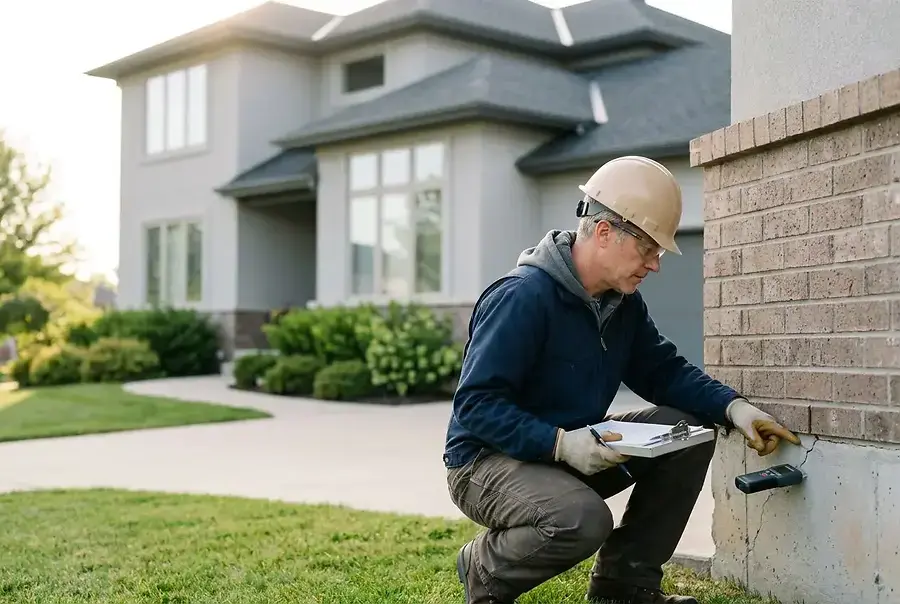
Purchasing a home is one of the most significant financial decisions you'll make in your lifetime. A professional home inspection is your safeguard against costly surprises and hidden defects that could drain your savings. During a typical inspection, a qualified inspector will spend 2-3 hours thoroughly examining the property, evaluating everything from the foundation to the roof.
Home inspections serve multiple purposes: they provide you with a detailed understanding of the property's condition, give you leverage in price negotiations, and help you plan for future maintenance and repairs. Without this critical step, you could inherit problems that weren't immediately visible during your initial walkthrough.
Key Structural and Foundation Elements to Evaluate
Foundation and Basement Assessment
The foundation is the backbone of any home. Inspectors will look for:
- Cracks and settling: Minor hairline cracks are normal, but large or widening cracks indicate serious problems
- Water damage and moisture: Signs of water intrusion, efflorescence (white mineral deposits), or mold growth
- Proper grading: Soil should slope away from the foundation to prevent water accumulation
- Drainage systems: Functional gutters, downspouts, and sump pumps where applicable
Walls, Roof Structure, and Attic
Inspectors examine the home's structural integrity by checking for:
- Sagging or uneven floors that suggest structural issues
- Roof framing for signs of rot, pest damage, or inadequate support
- Attic ventilation and insulation levels
- Evidence of past water leaks or active leaks in the attic space
Exterior Condition
The exterior protects everything inside. Key areas include:
- Roofing material: Age, condition, missing or damaged shingles, and remaining lifespan
- Siding and trim: Rot, damage, paint condition, and proper installation
- Windows and doors: Functionality, seals, and weather-stripping integrity
- Decks and porches: Structural soundness and safety
Systems and Utilities: Electrical, Plumbing, HVAC, and Roof Assessment
Electrical System
A safe electrical system is non-negotiable. Inspectors evaluate:
- The main electrical panel for proper grounding and capacity
- Presence of outdated aluminum wiring (a fire hazard)
- GFCI outlets in bathrooms, kitchens, and outdoor areas
- Proper circuit breaker operation and labeling
- Overall safety and code compliance
Plumbing System
Water damage is one of the costliest issues in homes. Inspectors check:
- Water pressure and flow: Testing multiple fixtures simultaneously
- Pipe material and condition: Identifying outdated or corroded pipes like galvanized steel or polybutylene
- Drainage: Proper slope and function of drain lines
- Water heater: Age, condition, and capacity for the home's needs
- Septic or sewer systems: Proper function and maintenance history
HVAC System
Heating, ventilation, and air conditioning systems are essential for comfort and health:
- Age and remaining lifespan of furnace and air conditioning units
- Proper operation and temperature control
- Ductwork condition and insulation
- Carbon monoxide detector presence and functionality
Roof Assessment
The roof protects your entire investment. Inspectors examine:
- Material type and estimated remaining lifespan
- Flashing around chimneys, vents, and skylights
- Gutters and downspouts for proper drainage
- Signs of leaks, moss, or algae growth
Red Flags and When to Negotiate or Walk Away
Major Red Flags
Certain findings should prompt serious consideration:
- Foundation cracks or settling: Repairs can cost $10,000 to $50,000 or more
- Roof replacement needed: A new roof typically costs $8,000 to $25,000
- Outdated electrical or plumbing: Complete system replacement is expensive and disruptive
- Mold or water damage: Can indicate serious structural or health issues
- Pest infestation: Termites or rodents can cause extensive damage
- HVAC system failure: Replacement costs $5,000 to $15,000
When to Negotiate
Minor issues don't necessarily mean walking away. Consider negotiating when:
- The seller agrees to repair items before closing
- You receive a credit toward repairs you'll handle yourself
- The purchase price is adjusted to reflect needed repairs
- Issues are cosmetic or involve routine maintenance
When to Walk Away
Some situations warrant reconsidering the purchase entirely:
- Multiple major systems need replacement simultaneously
- Foundation problems suggest structural instability
- Extensive mold or environmental hazards are present
- Repair costs exceed your budget or the home's value
- The seller refuses to address critical safety issues
Using the Inspection Report
Your inspection report is a negotiation tool. Use it to:
- Request repairs or credits for identified issues
- Obtain repair estimates from contractors
- Plan your maintenance budget for the first year
- Understand the home's true condition and value
Pro Tip: Always attend the inspection if possible. This allows you to ask questions directly and understand the issues firsthand rather than relying solely on the written report.
Final Thoughts
A thorough home inspection is an investment in peace of mind. By understanding what inspectors evaluate and knowing which issues are deal-breakers, you'll make a more informed decision and protect your financial future. Don't skip this critical step—your dream home should be built on a solid foundation, literally and figuratively.