Essential Home Inspection Checklist: What Every Buyer Must Know Before Closing
Learn the critical inspection points that protect your investment and reveal hidden problems before you purchase.

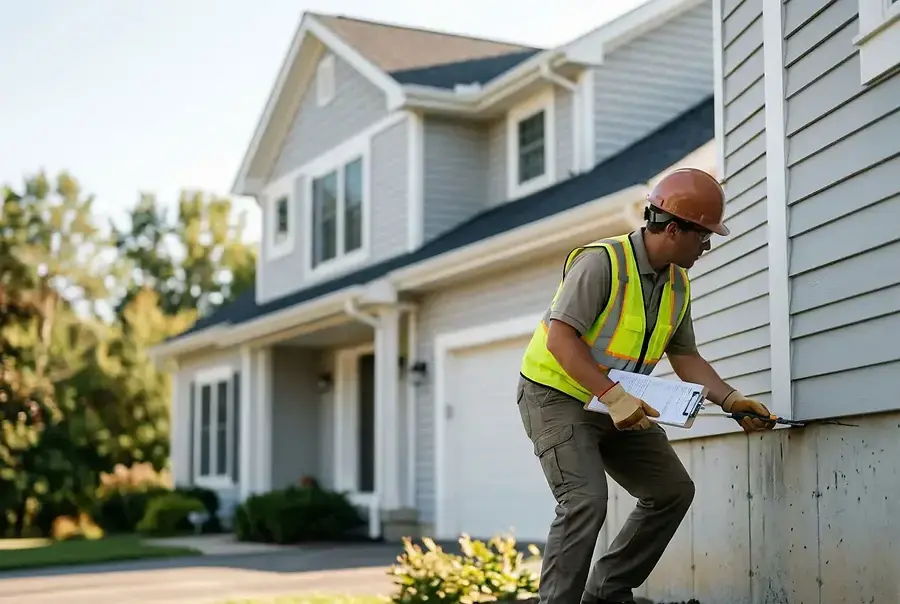
Why Professional Home Inspections Save Money
Purchasing a home is one of the most significant financial decisions you'll make in your lifetime. Before signing on the dotted line, a professional home inspection is your best defense against costly surprises. Many buyers skip this crucial step to save money, only to discover expensive problems after closing—problems that could have been negotiated or used as leverage during the purchase process.
A thorough home inspection typically costs between $300 and $500, but it can save you tens of thousands of dollars by identifying structural issues, outdated systems, and safety hazards. Inspectors examine everything from the foundation to the roof, providing you with detailed documentation of the property's condition. This information empowers you to make informed decisions and protects your investment from day one.
Complete Room-by-Room Inspection Checklist for Buyers
Foundation and Basement
The foundation is the backbone of your home. During inspection, look for:
- Cracks in concrete or masonry – Small hairline cracks are normal, but large or widening cracks indicate serious problems
- Water damage or moisture – Signs of past or present water intrusion suggest drainage issues
- Efflorescence – White, chalky deposits on walls indicate water seepage
- Proper grading – Soil should slope away from the foundation to prevent water accumulation
- Sump pump functionality – Ensure it operates correctly in wet conditions
Roof and Attic
Your roof protects everything beneath it. Inspectors should check:
- Shingle condition – Look for missing, curled, or deteriorating shingles
- Flashing integrity – Damaged flashing around chimneys and vents leads to leaks
- Attic ventilation – Proper airflow prevents moisture buildup and extends roof life
- Insulation levels – Adequate insulation affects energy efficiency
- Signs of leaks – Water stains on rafters or decking indicate past or present problems
Plumbing Systems
Water systems are critical to daily living. Inspectors examine:
- Water pressure and flow – Test all fixtures to ensure adequate pressure
- Pipe materials and condition – Older galvanized pipes may need replacement
- Drain functionality – Check for slow drains or backups
- Water heater age and condition – Most units last 8-12 years
- Septic or sewer systems – Ensure proper operation and maintenance records
Electrical Systems
Electrical safety is paramount. Key inspection points include:
- Panel condition and capacity – Outdated panels may need upgrading
- Grounding and bonding – Essential for safety
- GFCI outlets – Should be present in bathrooms and kitchens
- Wiring condition – Look for outdated or damaged wiring
- Proper circuit breakers – Ensure they function correctly
HVAC Systems
Heating and cooling systems require regular attention:
- Age and condition of furnace/AC – Systems typically last 15-20 years
- Thermostat functionality – Test heating and cooling cycles
- Ductwork condition – Look for leaks or damage
- Filter accessibility – Ensure filters can be easily replaced
- Maintenance records – Regular servicing extends system life
Kitchen and Bathrooms
These areas require special attention:
- Countertop and cabinet condition – Check for water damage or deterioration
- Appliance functionality – Test all built-in appliances
- Tile and grout condition – Water damage indicates potential leaks
- Ventilation systems – Ensure proper exhaust to prevent moisture buildup
- Plumbing fixtures – Check for leaks and proper operation
Identifying Major Red Flags and Structural Issues
Critical Warning Signs
Certain findings should raise immediate concerns:
- Foundation cracks wider than 1/4 inch – May indicate structural movement
- Extensive water damage or mold – Can be expensive and health-hazardous to remediate
- Outdated electrical systems – Knob-and-tube wiring or aluminum wiring pose fire risks
- Asbestos or lead paint – Professional removal is costly and required by law
- Roof leaks or significant deterioration – Replacement costs $8,000-$15,000 or more
- Failing septic systems – Replacement can exceed $10,000
- Pest infestations – Termites or other pests require professional treatment
Structural Concerns
Structural issues are the most serious problems you can encounter. Watch for sagging floors, bowing walls, or cracked beams. These issues require professional structural engineer evaluation and can be extremely costly to repair. Never ignore structural red flags—they affect the entire integrity of the home.
System Failures
Major system failures like HVAC breakdown, water heater failure, or electrical panel issues can cost thousands to replace. While some systems are expected to fail with age, multiple simultaneous failures suggest poor maintenance and future expense.
Using Inspection Results to Negotiate Better Deals
Leverage Your Findings
Once you receive the inspection report, you have several options. Minor issues might be acceptable, but significant problems provide negotiating power. You can:
- Request the seller make repairs before closing
- Ask for a price reduction to cover repair costs
- Request a credit at closing for repairs you'll handle yourself
- Walk away from the deal if problems are too severe
Getting Repair Estimates
Don't rely solely on the inspector's assessment. Obtain written estimates from licensed contractors for major repairs. This documentation strengthens your negotiating position and ensures you understand true repair costs.
Final Walkthrough
Before closing, conduct a final walkthrough to verify that agreed-upon repairs were completed and no new damage has occurred. This last check protects you from surprises on closing day.
Conclusion: Protecting Your Investment
A professional home inspection is not an expense—it's an investment in your peace of mind and financial security. By understanding what inspectors look for and knowing which red flags demand attention, you become an informed buyer capable of making smart decisions.
Don't let the excitement of finding your dream home cloud your judgment. Insist on a thorough inspection, review the report carefully, and use the findings to negotiate favorable terms. Your future self will thank you for taking these crucial steps before closing on your new home.


