Essential Home Inspection Guide for Aiea and Honolulu Homebuyers
Protect your investment by understanding what inspectors look for in Hawaii's unique climate and construction environment.

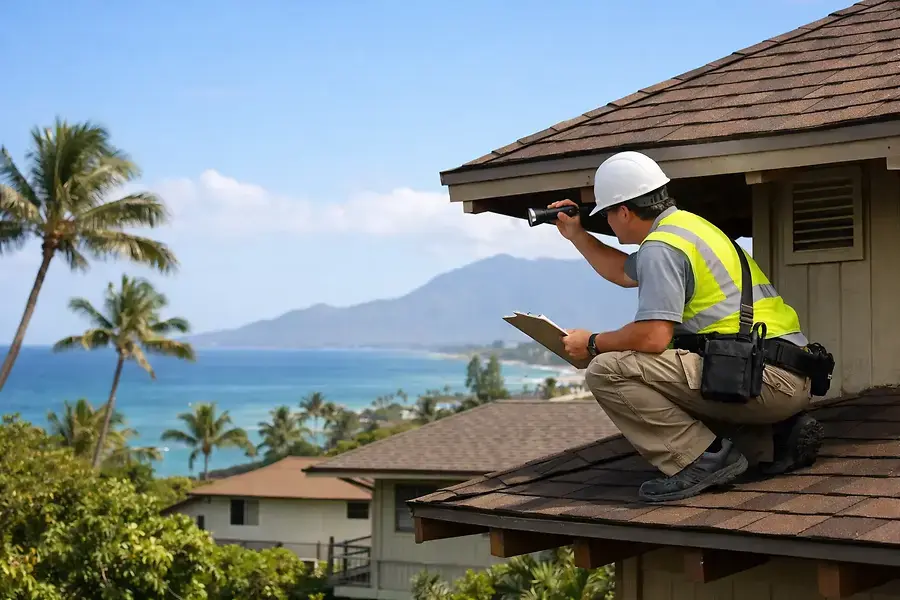
Why Home Inspections Matter in Hawaii
Purchasing a home is one of the most significant investments you'll make in your lifetime. In Hawaii, this investment requires special attention due to the islands' unique climate and environmental conditions. Home inspections are not just a formality—they're your opportunity to uncover potential issues that could cost thousands of dollars in repairs down the road.
Hawaii's tropical climate, salt-laden air, and high humidity create challenges that mainland properties rarely face. A thorough home inspection in Aiea and Honolulu can reveal problems specific to island living, such as corrosion, mold growth, and pest infestations. By understanding what inspectors look for, you can make informed decisions and negotiate repairs or credits before closing.
Common Issues Found in Aiea and Honolulu Properties
Salt-Air Corrosion and Metal Deterioration
The ocean air in Hawaii contains salt particles that accelerate corrosion of metal components. Inspectors pay close attention to:
- Metal roofing and gutters showing rust or deterioration
- Corroded air conditioning units and HVAC systems
- Damaged metal railings, gates, and outdoor fixtures
- Compromised plumbing connections and water heater tanks
Salt corrosion can significantly shorten the lifespan of metal components, making regular maintenance and protective coatings essential for island homeowners.
Moisture and Mold Damage
Hawaii's high humidity creates ideal conditions for mold growth and moisture-related damage. Inspectors examine:
- Attic ventilation and insulation for signs of moisture accumulation
- Bathroom and kitchen areas for active mold or water stains
- Foundation and basement areas for water intrusion
- Window frames and door seals for deterioration and leaks
Mold can pose serious health risks and require expensive remediation, so identifying moisture problems early is crucial.
Termite and Pest Infestations
Hawaii's warm climate supports year-round pest activity. Inspectors look for:
- Termite damage in wooden structural components and framing
- Drywood termite galleries and mud tubes
- Evidence of carpenter ants and other wood-destroying insects
- Pest entry points and conducive conditions
Termite damage can compromise structural integrity, making pest inspections a critical component of the overall home evaluation.
Roof Condition and Weather Damage
Hawaii's exposure to tropical storms, heavy rains, and intense sun requires special roof attention. Inspectors assess:
- Shingle or tile condition and remaining lifespan
- Flashing integrity around chimneys, vents, and skylights
- Gutter and downspout functionality
- Evidence of previous storm damage or repairs
A compromised roof can lead to interior water damage and costly repairs, making this one of the most important inspection areas.
Electrical and Plumbing Systems
Island properties often have aging electrical and plumbing systems that require careful evaluation:
- Outdated wiring and potential fire hazards
- Corroded copper pipes and water quality issues
- Inadequate grounding and safety concerns
- Water pressure and drainage problems
Updating these systems can be expensive, so understanding their current condition helps with budgeting and negotiation.
What to Expect During the Inspection Process
Pre-Inspection Preparation
Before your inspector arrives, ensure the property is accessible. The inspector will need access to:
- All interior rooms and closets
- Attic and crawl spaces
- Exterior areas including roof access
- Utility areas and mechanical systems
A typical inspection takes 2-4 hours depending on the property size and complexity.
The Inspection Walkthrough
Professional inspectors follow a systematic approach, examining structural components, systems, and potential hazards. They document findings with photos and detailed notes. You're encouraged to accompany the inspector and ask questions about their observations and recommendations.
The Inspection Report
After the inspection, you'll receive a comprehensive report detailing:
- Items in good condition
- Minor issues requiring maintenance
- Major concerns requiring professional evaluation or repair
- Recommendations for further inspection by specialists
Use this report to negotiate repairs, request credits, or make informed decisions about proceeding with the purchase.
Follow-Up Inspections
For significant issues identified during the general inspection, consider hiring specialists:
- Pest inspectors for detailed termite and pest evaluations
- Mold specialists for moisture and mold concerns
- Structural engineers for foundation or framing issues
- Electrical contractors for wiring and safety concerns
These specialized inspections provide detailed assessments and repair estimates.
Making Informed Decisions Before Closing
The home inspection report is a powerful negotiating tool. Use the findings to:
- Request repairs from the seller before closing
- Negotiate credits toward repairs you'll handle yourself
- Adjust your offer price based on repair costs
- Make an informed decision about proceeding with the purchase
Remember that no home is perfect, especially in Hawaii's challenging climate. The goal is to understand what you're purchasing and plan accordingly for maintenance and repairs.
A thorough home inspection is an investment in your peace of mind and financial security. In Hawaii's unique environment, it's not just recommended—it's essential.
By understanding what inspectors look for and taking the inspection process seriously, you're protecting your investment and ensuring you make an informed decision about one of life's most important purchases. Whether you're buying in Aiea, Honolulu, or elsewhere on the islands, a comprehensive home inspection is your first step toward homeownership confidence.


