Essential Home Inspection Guide for Alameda and Contra Costa Buyers
Protect your investment by understanding what inspectors look for in East Bay properties.

Why Home Inspections Matter in the East Bay Market
Purchasing a home is one of the most significant investments you'll make in your lifetime. In the competitive East Bay real estate market, it's easy to get caught up in the excitement of finding the perfect property and overlook critical details. A professional home inspection is your safeguard against costly surprises after closing.
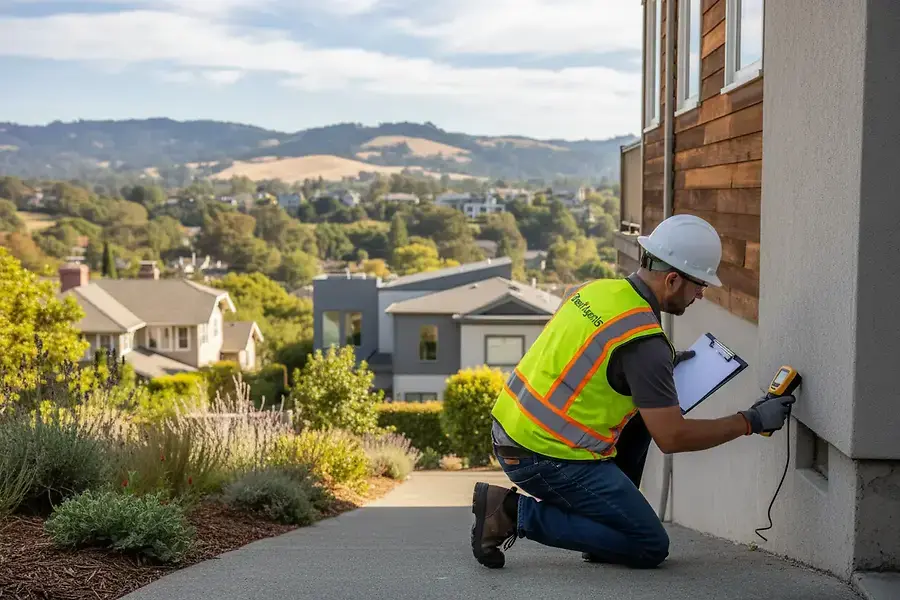
Home inspections provide an objective, third-party assessment of a property's condition. In Alameda and Contra Costa counties, where properties range from historic Victorian homes to modern developments, inspections are essential for understanding what you're actually buying. An inspector will evaluate structural integrity, mechanical systems, and potential safety hazards that may not be visible to the untrained eye.
Beyond peace of mind, inspections serve as powerful negotiating tools. If significant issues are discovered, you can request repairs, credits, or price reductions before committing to the purchase. This knowledge empowers you to make informed decisions rather than emotional ones.
Common Issues Found in Alameda and Contra Costa County Properties
Foundation and Structural Concerns
The East Bay's diverse geology and seismic activity make foundation issues a common concern. Many older homes in Oakland, Berkeley, and surrounding areas were built before modern building codes were established. Inspectors frequently identify:
- Settling and cracks in concrete foundations
- Inadequate seismic bracing or bolting
- Water intrusion and moisture damage in basements
- Outdated or compromised structural supports
Plumbing and Water Issues
Water-related problems are among the most expensive to repair. In the East Bay, inspectors commonly find:
- Galvanized or polybutylene pipes that are prone to corrosion and failure
- Outdated plumbing systems requiring replacement
- Poor drainage and grading leading to foundation moisture
- Leaking fixtures and water heater concerns
Electrical Systems
Older homes throughout Alameda and Contra Costa counties often have electrical systems that don't meet current safety standards. Common findings include:
- Outdated fuse boxes instead of modern circuit breakers
- Insufficient electrical capacity for modern appliances
- Knob-and-tube wiring or aluminum wiring
- Improper grounding and safety concerns
Roofing and Exterior Issues
The Bay Area's weather patterns, including fog and occasional heavy rains, take a toll on roofing materials. Inspectors frequently note:
- Aging or deteriorating roof materials nearing end of life
- Missing or damaged flashing around chimneys and vents
- Gutter and downspout problems
- Dry rot in wooden siding and trim
HVAC and Energy Efficiency
Many East Bay homes lack adequate heating and cooling systems. Inspectors often find outdated furnaces, inefficient air conditioning, and poor insulation that drives up utility costs.
What to Expect During the Inspection Process
Before the Inspection
Once you've made an offer and the inspection contingency is in place, you'll schedule the inspection with a licensed professional. Plan to be present during the inspection so you can ask questions and learn about the property firsthand. The inspection typically takes 2-4 hours depending on the home's size and age.
During the Inspection
A thorough inspector will examine:
- Roof condition and attic ventilation
- Exterior walls, foundation, and grading
- Windows, doors, and weatherproofing
- Interior walls, ceilings, and flooring
- Plumbing systems and water pressure
- Electrical panels and outlets
- HVAC systems and thermostats
- Appliances and built-in systems
- Basement or crawl space conditions
The inspector will document findings with photographs and detailed notes. Don't hesitate to ask questions about anything you observe or don't understand.
After the Inspection
You'll receive a comprehensive written report within 24-48 hours. This report categorizes issues by severity—from minor cosmetic concerns to major structural problems requiring immediate attention. Review it carefully and discuss findings with your real estate agent.
Using Inspection Results to Negotiate and Make Informed Offers
Prioritizing Issues
Not every finding requires action. Distinguish between:
- Critical issues: Safety hazards, structural problems, or major system failures
- Important issues: Systems nearing end of life or requiring replacement soon
- Minor issues: Cosmetic concerns or routine maintenance items
Negotiation Strategies
Armed with inspection results, you have several options:
- Request repairs: Ask the seller to fix critical issues before closing
- Request credits: Negotiate a credit toward closing costs to handle repairs yourself
- Request price reduction: Lower the purchase price to account for necessary repairs
- Walk away: If issues are too extensive, you may terminate the purchase
Be strategic in your negotiations. Focus on significant, documented issues rather than minor concerns. In the competitive East Bay market, reasonable requests are more likely to be accepted.
Making Your Final Decision
Remember: no home is perfect. The goal of an inspection is to understand what you're buying and make an informed decision.
Consider the age of the home, the cost of repairs, and your long-term plans. A 50-year-old home will naturally have more wear than a newer property. Factor in inspection findings when deciding whether the property represents good value at the offered price.
By understanding the inspection process and common East Bay issues, you're taking control of one of life's biggest purchases. A thorough home inspection is an investment in your future peace of mind and financial security.