Essential Home Inspection Guide for Albuquerque Residential Buyers
Discover what inspectors look for in the high desert climate and how to protect your investment.

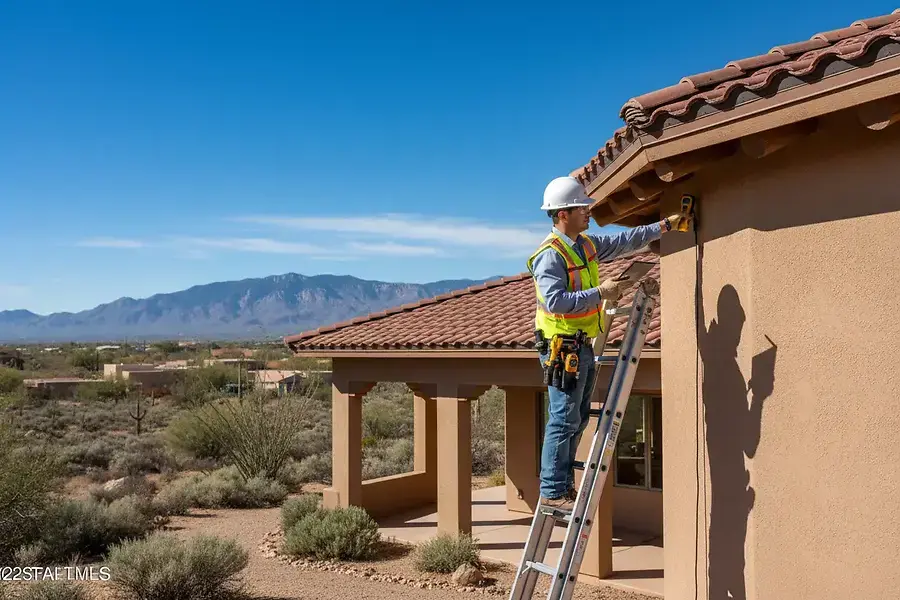
Introduction: Why Home Inspections Matter in Albuquerque
Purchasing a home is one of the most significant financial decisions you'll make. In Albuquerque, where the high desert climate presents unique challenges, a thorough home inspection becomes even more critical. A professional home inspection provides you with an objective assessment of your potential property's condition, helping you make informed decisions and avoid costly surprises down the road.
Whether you're a first-time homebuyer or an experienced investor, understanding what inspectors look for in Albuquerque's distinctive environment can help you ask the right questions and identify potential issues before closing the deal.
Understanding the Albuquerque Climate's Impact on Homes
The High Desert Environment
Albuquerque's high desert climate creates specific stressors on residential properties that differ significantly from other regions. With low humidity, intense sun exposure, and occasional severe weather, homes in this area face particular challenges that inspectors carefully evaluate.
Common Climate-Related Issues
The combination of extreme temperature fluctuations and minimal moisture can cause:
- Foundation cracks and settling – The dry soil expands and contracts dramatically with temperature changes
- Roof deterioration – Intense UV radiation accelerates shingle degradation and material brittleness
- Exterior paint and stucco damage – Sun exposure causes fading, peeling, and cracking over time
- HVAC system strain – Air conditioning units work overtime in the intense heat
- Plumbing issues – Hard water and mineral deposits are common in the area
Key Areas Inspectors Prioritize in Desert Properties
Roof and Exterior Structures
Inspectors pay close attention to roofing materials, as the Albuquerque sun is relentless. They look for:
- Signs of UV damage and material degradation
- Proper ventilation and insulation
- Flashing integrity around chimneys and vents
- Gutters and drainage systems functionality
Why it matters: A compromised roof can lead to water intrusion and interior damage, which is particularly problematic in a dry climate where moisture problems may go unnoticed initially.
Foundation and Structural Integrity
The desert's soil composition and temperature swings make foundation assessment crucial. Inspectors examine:
- Visible cracks in the foundation and walls
- Signs of settling or shifting
- Moisture intrusion in basements or crawl spaces
- Proper grading around the foundation
Foundation issues can be expensive to repair, making this inspection area particularly important for your investment protection.
HVAC and Cooling Systems
In Albuquerque, air conditioning isn't a luxury—it's essential. Inspectors evaluate:
- Age and condition of the AC unit
- Proper refrigerant levels
- Ductwork integrity and insulation
- Thermostat functionality
- Overall system efficiency
A failing air conditioning system in the desert can be both uncomfortable and expensive to replace, so understanding its condition is vital.
Plumbing and Water Systems
Hard water is prevalent in Albuquerque, affecting plumbing longevity. Inspectors check:
- Pipe material and age (copper, PVC, or galvanized)
- Water pressure and flow rates
- Water heater condition and age
- Signs of leaks or corrosion
- Septic system functionality (if applicable)
Electrical Systems
A safe electrical system is non-negotiable. Professional inspectors verify:
- Panel condition and proper grounding
- Outlet and switch functionality
- Presence of GFCI protection in wet areas
- Adequate wiring for modern electrical demands
Interior and Structural Components
Beyond the major systems, inspectors examine:
- Walls and ceilings – Water stains, cracks, or signs of settling
- Windows and doors – Proper sealing and operation
- Insulation – Adequate R-values for desert climate efficiency
- Appliances – Functionality and age of included items
Exterior and Landscaping
The outdoor environment affects the home's integrity. Inspectors assess:
- Stucco or siding condition and cracks
- Proper drainage away from the foundation
- Vegetation proximity to the structure
- Deck or patio structural integrity
Conclusion: Taking Action After Your Inspection Report
Understanding Your Report
Once you receive your inspection report, take time to understand all findings. Inspectors typically categorize issues by severity—from minor cosmetic concerns to major structural problems. Don't ignore any red flags, especially those related to foundation, roof, or HVAC systems.
Next Steps for Buyers
After reviewing the inspection report, consider these actions:
- Request repairs or credits – Negotiate with the seller for major issues
- Obtain specialist evaluations – For significant concerns, hire experts in that specific area
- Plan for maintenance – Budget for upcoming repairs and regular upkeep
- Review insurance implications – Discuss findings with your insurance agent
Protecting Your Investment
A comprehensive home inspection is your best defense against unexpected expenses and safety issues. In Albuquerque's unique climate, understanding how desert conditions affect homes ensures you're making a sound investment decision. By prioritizing a thorough inspection and carefully reviewing all findings, you're taking a crucial step toward homeownership peace of mind.
Remember: The cost of a professional home inspection is minimal compared to the potential expenses of undiscovered problems. Invest in knowledge before you invest in your home.


