Essential Home Inspection Guide for Anchorage Area Residential Buyers
Discover what experienced inspectors look for when evaluating residential properties in Alaska's unique climate.

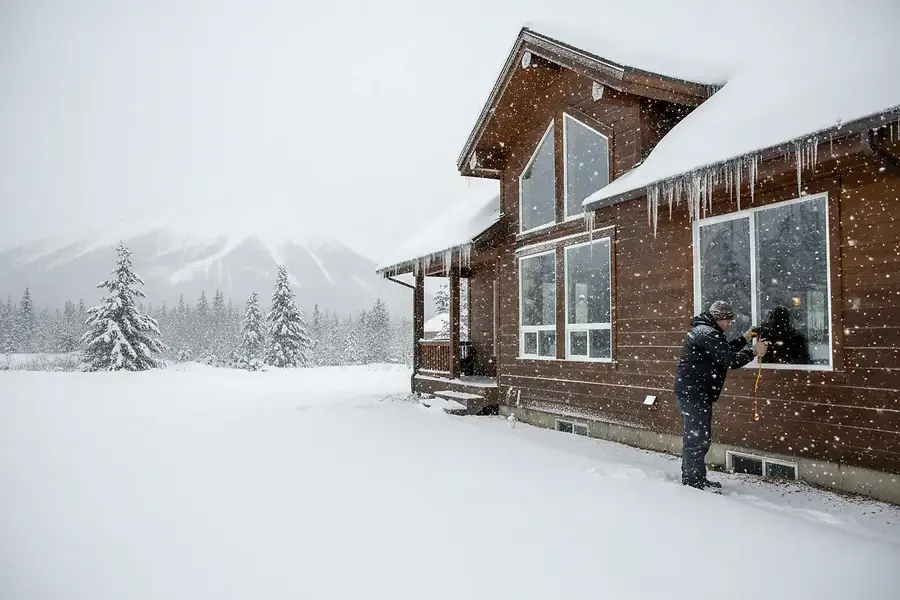
Why Home Inspections Matter in Alaska's Climate
Purchasing a home in the Anchorage area is one of the most significant investments you'll make, and a thorough home inspection is essential to protecting that investment. Alaska's unique climate presents distinct challenges that differ dramatically from other regions. The extreme cold, permafrost conditions, heavy snow loads, and extended darkness create specific wear patterns and potential issues that inspectors must carefully evaluate.
Home inspections in Alaska go beyond standard evaluations. Inspectors must understand how freeze-thaw cycles affect foundations, how moisture accumulation impacts insulation, and how the intense winter conditions stress building materials. A professional inspection can reveal hidden problems that could cost thousands to repair, making it a critical step in the buying process.
Key Areas Inspectors Evaluate in Anchorage Homes
Foundation and Permafrost Concerns
One of the most critical aspects of an Anchorage home inspection is evaluating the foundation. Many properties in the area are built on or near permafrost, which can shift and settle unpredictably. Inspectors look for:
- Cracks in the foundation or basement walls
- Signs of settling or uneven floors
- Water intrusion or moisture damage
- Proper pilings and support systems designed for Alaska's soil conditions
Roof and Snow Load Capacity
Anchorage experiences significant snowfall, making roof integrity absolutely critical. Inspectors evaluate:
- Roof condition and remaining lifespan
- Proper ventilation to prevent ice dams
- Structural support for heavy snow loads
- Gutters and drainage systems
- Flashing around chimneys and vents
Heating Systems and Insulation
Heating is non-negotiable in Alaska. Inspectors thoroughly examine:
- Furnace age, condition, and efficiency
- Backup heating systems
- Insulation levels in attics, walls, and basements
- Weatherstripping and air sealing
- Thermostat functionality and programming
Inadequate heating or insulation can result in astronomical utility bills and uncomfortable living conditions during the long winter months.
Plumbing and Freeze Protection
Water pipes freezing is a serious concern in Anchorage. Inspectors check:
- Pipe insulation and heat tape installation
- Water line protection and depth
- Sump pump functionality
- Septic systems (if applicable)
- Drain lines and proper slope
Moisture and Mold Issues
Alaska's climate creates moisture challenges that can lead to mold growth. Inspectors look for:
- Condensation and moisture accumulation
- Visible mold or mildew
- Proper ventilation in bathrooms and kitchens
- Vapor barriers and moisture control systems
- Signs of past water damage
Electrical and Safety Systems
A complete inspection includes evaluation of:
- Electrical panel condition and capacity
- Grounding and bonding systems
- GFCI outlets in wet areas
- Smoke and carbon monoxide detectors
- Proper wiring and code compliance
Understanding Your Inspection Report and Next Steps
What to Expect in Your Report
A comprehensive home inspection report will detail findings in each major system category. The report typically categorizes issues as:
- Critical: Issues requiring immediate attention before purchase
- Major: Significant problems that should be addressed soon
- Minor: Small issues that can be addressed over time
- Informational: Notes about maintenance and care
Negotiating Based on Inspection Findings
Once you receive your inspection report, you have several options. You can request that the seller make repairs, ask for a credit toward closing costs, or renegotiate the purchase price. In Alaska's market, it's common for buyers to request credits for heating system upgrades or insulation improvements, as these directly impact living costs.
Don't skip the inspection contingency period. This is your opportunity to walk away from the deal if major issues are discovered, or to negotiate repairs before closing.
Protecting Your Investment: Post-Inspection Decisions
Making Informed Decisions
After reviewing your inspection report, take time to understand the implications of any findings. Consider:
- The cost to repair or replace systems
- The remaining lifespan of major components
- How issues might affect your comfort and safety
- Long-term maintenance costs and energy efficiency
Planning for Future Maintenance
Use your inspection report as a maintenance roadmap. Prioritize repairs based on safety and functionality, and budget for upcoming replacements. In Alaska, staying ahead of maintenance is crucial—waiting until winter to address a heating issue or roof leak can be dangerous and expensive.
Working with Your Inspector
Don't hesitate to ask your inspector questions about specific findings. A professional inspector can explain issues in detail and provide recommendations for repairs or maintenance. They can also suggest contractors familiar with Alaska-specific building challenges.
A thorough home inspection is an investment in peace of mind. It provides you with detailed knowledge about your potential purchase and empowers you to make informed decisions about one of life's biggest investments.
Final Thoughts
Home inspections are essential for any buyer, but they're particularly critical in Alaska's challenging climate. By understanding what inspectors evaluate and how to use that information, you can confidently move forward with your purchase. Whether you're buying your first home or your fifth, a professional inspection protects your investment and ensures you're making an informed decision about your new Anchorage home.


