Essential Home Inspection Guide for Arlington, TX Homebuyers
Learn what professional home inspectors look for and how to protect your investment in Arlington's competitive real estate market.

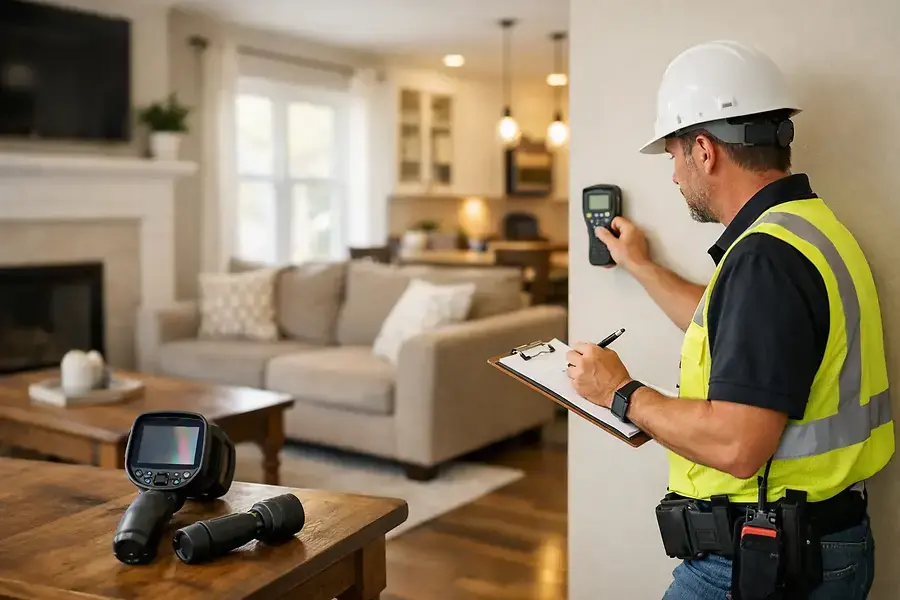
Understanding the Home Inspection Process
A home inspection is one of the most critical steps in the homebuying process, especially in Arlington's competitive real estate market. This thorough evaluation of a property's condition can reveal potential issues before you commit to your purchase, potentially saving you thousands of dollars in unexpected repairs.
A professional home inspector will typically spend 2-3 hours examining your potential new home, checking everything from the foundation to the roof. The inspector will document their findings in a detailed report that becomes an essential tool for negotiating repairs or price adjustments with the seller.
What Inspectors Examine
Professional home inspectors follow a systematic approach to evaluate properties. Here are the key areas they assess:
- Structural Components: Foundation, walls, floors, and overall structural integrity
- Roofing System: Roof condition, shingles, flashing, and gutters
- Exterior Elements: Siding, windows, doors, and drainage systems
- Plumbing: Water pressure, drainage, fixtures, and potential leaks
- Electrical System: Panel condition, wiring, outlets, and safety features
- HVAC Systems: Heating, cooling, and ventilation functionality
- Interior Features: Walls, ceilings, flooring, and built-in appliances
- Attic and Basement: Insulation, ventilation, moisture, and pest activity
Common Issues Found in Arlington Homes
Arlington's unique climate and construction patterns mean certain issues appear more frequently in local homes. Understanding these common problems helps you know what to expect during your inspection.
Weather-Related Damage
Texas weather can be harsh on homes. Inspectors frequently find issues related to:
- Roof damage from hail and severe storms
- Water intrusion and moisture problems
- Foundation cracks from soil movement and temperature fluctuations
- Damaged or deteriorated caulking around windows and doors
Age-Related Concerns
Many Arlington homes were built decades ago, and older properties often present specific challenges. Common age-related issues include outdated electrical systems, aging plumbing with potential corrosion, and HVAC systems nearing the end of their lifespan. Inspectors pay special attention to these systems in older homes.
HVAC and Insulation Issues
Given Arlington's hot summers and mild winters, proper HVAC function is essential. Inspectors frequently identify air conditioning units that need servicing, inadequate insulation in attics, and ductwork problems that reduce efficiency.
How to Prepare for and Review Your Inspection Report
Before the Inspection
Preparation is key to getting the most from your home inspection. Here's what you should do:
- Schedule the inspection within your contingency period, typically 7-10 days after making an offer
- Ensure the property is accessible and utilities are on
- Request that the seller leave doors unlocked and provide access to all areas
- Plan to attend the inspection if possible to ask questions directly
- Bring a notebook to jot down observations and concerns
Understanding Your Report
Home inspection reports can be lengthy and technical. Most reports organize findings by severity level:
- Critical Issues: Problems that pose safety risks or require immediate attention
- Major Issues: Significant problems that will likely need repair soon
- Minor Issues: Small concerns that don't require immediate action
- Recommendations: Suggestions for maintenance and improvements
Don't hesitate to ask your inspector to explain any findings you don't understand. A good inspector will take time to walk you through the report and clarify technical details.
Red Flags to Watch For
Certain findings should raise immediate concerns and warrant further investigation:
- Foundation cracks or settling issues
- Evidence of water damage or mold
- Outdated or faulty electrical systems
- Roof damage or significant wear
- HVAC systems that are failing or obsolete
- Plumbing issues or signs of leaks
Taking Action: Next Steps After Your Inspection
Negotiating with the Seller
Once you have your inspection report, you have several options. You can request that the seller make repairs, offer a credit toward closing costs, or ask for a price reduction. In Arlington's competitive market, your negotiating power depends on the severity of issues found and current market conditions.
Focus your negotiations on critical and major issues rather than minor concerns. Sellers are more likely to address safety hazards and significant structural problems than cosmetic issues.
Getting Additional Inspections
For serious concerns identified in the general inspection, consider hiring specialists:
- Structural Engineer: For foundation or framing concerns
- Pest Inspector: To check for termites or other infestations
- Mold Inspector: If water damage or moisture issues are present
- Roof Inspector: For detailed roof condition assessment
Making Your Final Decision
After reviewing the inspection report and negotiating with the seller, you must decide whether to proceed with the purchase. Consider the total cost of repairs, the home's overall condition, and your budget for future maintenance.
Remember: A home inspection protects your investment and gives you the information needed to make a confident decision about one of the largest purchases of your life.
By understanding the inspection process, knowing what issues are common in Arlington homes, and carefully reviewing your report, you'll be well-equipped to navigate this critical step in your homebuying journey. Take your time, ask questions, and don't rush into a decision that doesn't feel right.


