Essential Home Inspection Guide for Ashburn and Fairfax Home Buyers
Discover what professional inspectors look for and how to protect your investment in Northern Virginia's competitive real estate market.

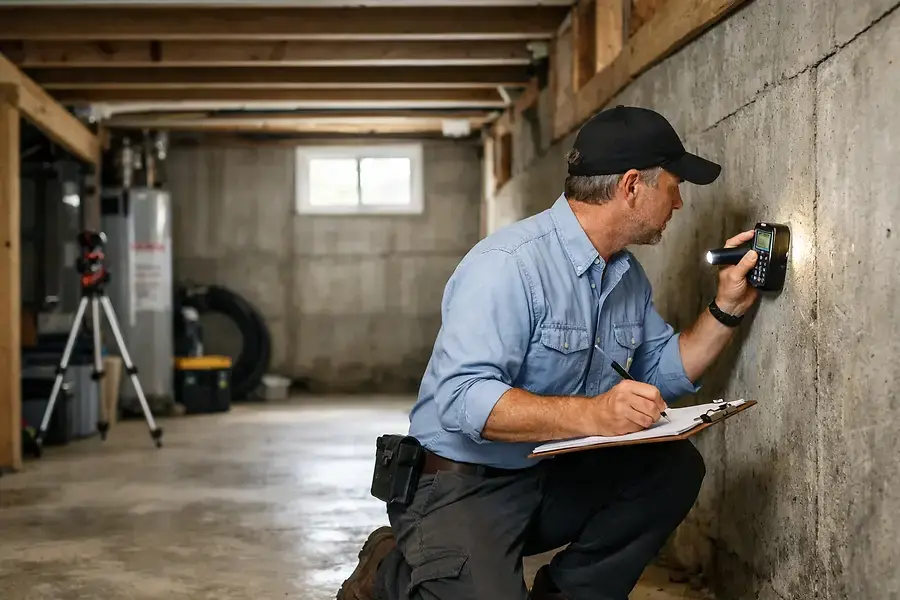
Understanding the Home Inspection Process
A home inspection is one of the most critical steps in the home-buying process, especially in the competitive Northern Virginia real estate market. This comprehensive evaluation typically lasts two to three hours and involves a licensed professional examining the property's structural integrity, systems, and overall condition.
During a standard inspection, the inspector will document their findings in a detailed report that becomes your roadmap for negotiations. In Ashburn and Fairfax, where homes range from newer developments to established neighborhoods, understanding what inspectors look for can save you thousands of dollars and prevent costly surprises after closing.
Why Home Inspections Matter in Northern Virginia
Northern Virginia's diverse housing stock—from townhomes to single-family residences—means inspections are particularly valuable. The region's climate, with its humid summers and cold winters, can accelerate wear on roofing, HVAC systems, and foundations. A thorough inspection protects your investment and gives you leverage in negotiations.
Key Areas Inspectors Evaluate in Ashburn and Fairfax Homes
Structural Components
Inspectors begin by examining the home's foundation, looking for cracks, settling, or water damage. In Fairfax and Ashburn, where clay soil is common, foundation issues can develop over time. They'll also evaluate:
- Basement walls and floors for moisture intrusion
- Crawl spaces for proper ventilation and pest damage
- Exterior grading to ensure water drains away from the foundation
- Visible structural damage or wood rot
Roofing and Exterior
The roof is your home's first line of defense against Northern Virginia's weather. Inspectors assess:
- Shingle condition and remaining lifespan
- Flashing around chimneys, vents, and skylights
- Gutters and downspouts for proper drainage
- Siding condition and potential water damage
- Windows and doors for proper sealing
HVAC Systems
Heating and cooling systems are essential in the DC area's climate extremes. Inspectors will test:
- Furnace or heat pump functionality and age
- Air conditioning system performance
- Ductwork for leaks and proper insulation
- Thermostat operation
Plumbing and Water Systems
Water-related issues are among the most expensive to repair. Inspectors evaluate:
- Water pressure and flow throughout the home
- Pipe material and condition (galvanized, copper, PEX)
- Water heater age and functionality
- Drainage systems and potential backups
- Signs of leaks or water damage
Electrical Systems
Safety is paramount with electrical systems. Inspectors check:
- Panel capacity and condition
- Proper grounding and bonding
- Outlet and switch functionality
- Presence of GFCI outlets in wet areas
- Outdated wiring that may need replacement
Red Flags and How to Negotiate Repairs
Major Red Flags to Watch For
Foundation Issues: Cracks wider than 1/4 inch, bowing walls, or water intrusion require immediate professional evaluation and can be costly to repair.
Roof Problems: If the roof is nearing the end of its lifespan or shows significant damage, budget $8,000-$15,000+ for replacement in the Ashburn and Fairfax area.
Outdated Electrical: Aluminum wiring or a panel that's at capacity may require expensive upgrades for safety and insurance purposes.
Plumbing Concerns: Galvanized pipes, signs of leaks, or sewage backups can indicate major system failures ahead.
HVAC Age: Systems over 15 years old may fail soon, and replacement costs typically range from $5,000-$10,000.
Negotiation Strategies
Once you receive the inspection report, you have several options:
- Request repairs: Ask the seller to fix major issues before closing
- Request credits: Negotiate a price reduction to handle repairs yourself
- Request inspections: For significant issues, ask for specialized inspections (structural engineer, electrician)
- Walk away: If major issues exceed your budget, you may terminate the contract
In Ashburn and Fairfax's competitive market, sellers may be reluctant to make repairs. Focus negotiations on safety issues and major systems rather than cosmetic concerns. Document everything in writing to avoid misunderstandings.
Making Your Offer Contingent on Inspection Results
Understanding Inspection Contingencies
An inspection contingency protects you by allowing the contract to be terminated if significant issues are discovered. This is essential in Northern Virginia's fast-paced market, where waiving contingencies is increasingly common.
Recommended Contingency Language
Your offer should include language allowing you to:
- Conduct a professional home inspection within 7-10 days
- Review the inspection report and request repairs or credits
- Terminate the contract if major defects are discovered and not remedied
- Conduct follow-up inspections on repaired items
Timing Considerations
Schedule your inspection as soon as possible after your offer is accepted. This gives you time to review results and negotiate before your contingency period expires. In Ashburn and Fairfax, inspectors are often booked weeks in advance, so plan accordingly.
Working with Your Real Estate Agent
Your agent should help you understand inspection results and guide negotiations. They have experience with local issues and typical repair costs in the area.
A good agent will help you distinguish between minor maintenance issues and serious structural problems that affect your decision.
Final Thoughts
A thorough home inspection is your best defense against costly surprises in Ashburn and Fairfax's competitive real estate market. By understanding what inspectors evaluate, recognizing red flags, and negotiating effectively, you protect your investment and ensure your new home is safe and sound. Don't skip this critical step—your future self will thank you.