Essential Home Inspection Guide for Ashburn and Fairfax Homebuyers
Discover what professional home inspectors look for and how to protect your investment in Northern Virginia's competitive real estate market.

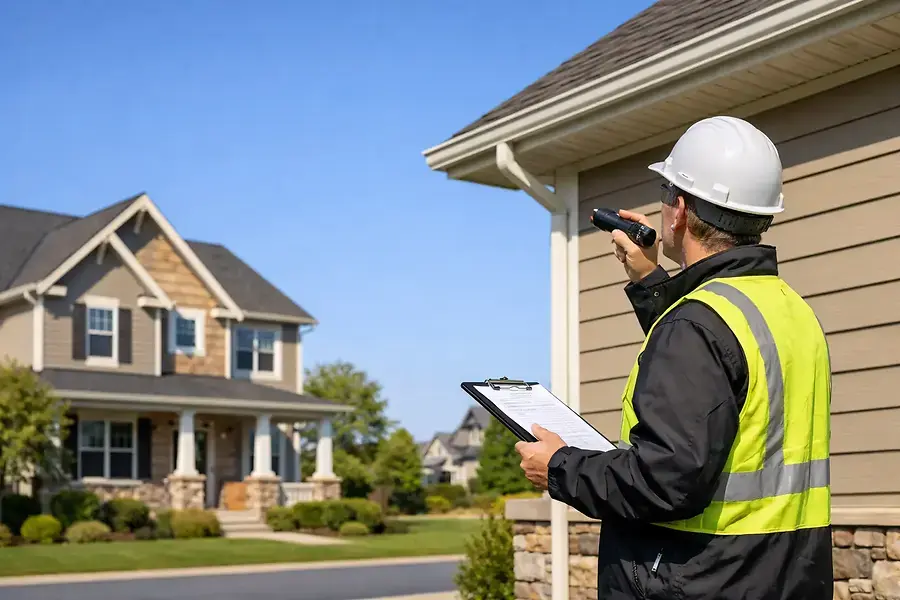
Understanding the Home Inspection Process in Northern Virginia
Purchasing a home in Ashburn or Fairfax is one of the most significant investments you'll make. A professional home inspection is your opportunity to uncover potential issues before finalizing the purchase. In Northern Virginia's competitive real estate market, understanding what happens during an inspection can give you a crucial advantage.
A typical home inspection takes between two to four hours, depending on the property's size and age. Licensed home inspectors examine the structural integrity, mechanical systems, and overall condition of the property. They'll provide you with a detailed report outlining their findings, which becomes essential documentation for negotiations and future maintenance planning.
What Inspectors Examine
Professional home inspectors follow a systematic approach when evaluating properties. Here's what they typically assess:
- Structural Components: Foundation, walls, roof, and overall framing
- Exterior Elements: Siding, windows, doors, gutters, and drainage systems
- Roofing: Condition, age, and remaining lifespan
- HVAC Systems: Heating, cooling, and ventilation functionality
- Plumbing: Water pressure, drainage, and potential leaks
- Electrical Systems: Panel condition, outlets, and safety compliance
- Interior Features: Walls, ceilings, flooring, and built-in appliances
- Basement and Crawl Spaces: Signs of moisture, mold, or structural issues
Common Issues Found in Ashburn and Fairfax Properties
Northern Virginia's climate and aging housing stock create specific challenges for homeowners. Understanding these common issues helps you know what to expect in your inspection report.
Moisture and Water Damage
The humid summers and occasional heavy rainfall in the region make moisture issues prevalent. Inspectors frequently find water stains in basements, attic leaks, and compromised grading around foundations. These issues can lead to mold growth and structural damage if left unaddressed.
Aging HVAC Systems
Many homes in Ashburn and Fairfax were built in the 1990s and 2000s, meaning their heating and cooling systems may be nearing the end of their lifespan. Inspectors will note the age and condition of these systems, as replacements can cost $5,000 to $15,000.
Roof Condition
The region's weather patterns—including ice storms and heavy snow—can accelerate roof deterioration. Inspectors look for missing shingles, improper ventilation, and signs of aging. A roof replacement is a significant expense that buyers should anticipate.
Electrical and Plumbing Updates
Older homes may have outdated electrical panels or plumbing materials that don't meet current codes. Aluminum wiring and polybutylene pipes are particular concerns in Northern Virginia properties. These issues may require professional upgrades for safety and functionality.
Foundation Issues
Settling and minor cracks are common in the region's clay-heavy soil. While many are cosmetic, inspectors will identify any structural concerns that need professional evaluation or repair.
How to Prepare for and Navigate Your Inspection Report
Before the Inspection
Preparation is key to getting the most from your home inspection. Here's what you should do:
- Ensure the property is accessible and utilities are turned on
- Clear pathways to the attic, basement, and crawl spaces
- Request that the seller provide maintenance records and warranties
- Arrange to be present during the inspection to ask questions
- Bring a notebook to document the inspector's observations
Understanding Your Report
Home inspection reports typically categorize findings into three levels: safety concerns, major repairs, and minor maintenance items. Safety issues require immediate attention, while major repairs may affect your offer price. Minor items are typically the homeowner's responsibility after closing.
"A thorough home inspection report is your roadmap to understanding the true condition of your potential home. Don't skip this critical step in the buying process."
Working with Your Inspector
Ask your inspector to explain findings in detail. Request clarification on repair costs and timelines. Many inspectors can recommend qualified contractors for follow-up evaluations on specific concerns. Take photos and videos during the walkthrough for your records.
Next Steps: Using Inspection Findings to Negotiate and Move Forward
Negotiation Strategies
Your inspection report is a powerful negotiation tool. Use it strategically:
- Request repairs: Ask the seller to fix major issues before closing
- Negotiate credits: Request a price reduction to cover repair costs yourself
- Set contingencies: Make your offer contingent on satisfactory inspection results
- Prioritize issues: Focus negotiations on safety concerns and major repairs, not cosmetic items
Planning for Future Maintenance
Even if the inspection reveals no major issues, use the report as a maintenance guide. Schedule regular HVAC servicing, roof inspections, and gutter cleaning. Document all repairs and improvements for future resale value.
When to Walk Away
Sometimes an inspection reveals problems too costly or complex to resolve. If repair estimates exceed your budget or indicate systemic issues, it's acceptable to withdraw your offer. Your home is too important an investment to compromise on quality and safety.
A professional home inspection is an investment in peace of mind. In Ashburn and Fairfax's competitive market, this knowledge empowers you to make informed decisions, negotiate confidently, and protect your financial future. Don't skip this crucial step—your dream home deserves thorough evaluation.


