Essential Home Inspection Guide for Ashburn Residential Buyers
Discover the critical inspection points that protect your investment and reveal hidden issues before you buy.

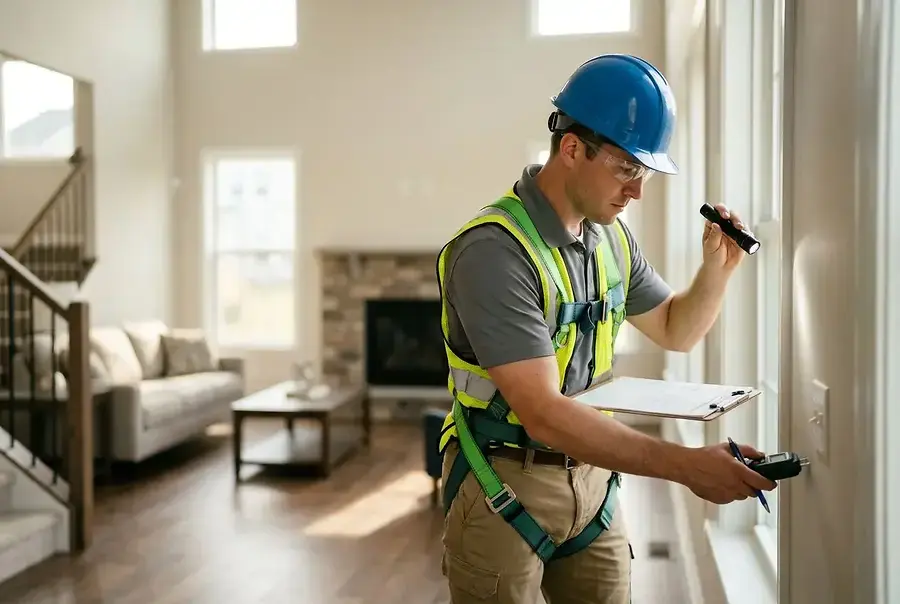
Why Home Inspections Are Non-Negotiable in Ashburn
Purchasing a home is one of the most significant financial decisions you'll make in your lifetime. In Ashburn's competitive real estate market, it's easy to get caught up in the excitement of finding your dream property and overlook one of the most critical steps: the professional home inspection. A thorough inspection can save you thousands of dollars in unexpected repairs and provide peace of mind about your investment.
Home inspections serve as your personal advocate during the buying process. They reveal structural issues, safety hazards, and maintenance problems that may not be visible to the untrained eye. Whether you're a first-time homebuyer or an experienced investor, skipping this step puts your financial security at risk.
Key Areas Inspectors Examine in Ashburn Homes
Foundation and Structural Integrity
The foundation is the backbone of any home. Inspectors carefully examine the foundation for cracks, settling, and water damage. In Ashburn, where soil conditions can vary, foundation issues are particularly important to assess. Look for signs of:
- Horizontal or diagonal cracks in the foundation walls
- Bowing or leaning walls
- Water stains or moisture intrusion
- Uneven or sloping floors
Roof and Exterior
Your roof protects everything beneath it. Inspectors evaluate the roof's age, condition, and remaining lifespan. They also examine siding, gutters, downspouts, and drainage systems. Common issues include:
- Missing or damaged shingles
- Improper water drainage
- Deteriorated caulking and sealants
- Pest damage or wood rot
Plumbing Systems
A comprehensive plumbing inspection checks water pressure, drainage, and the condition of pipes throughout the home. Inspectors test all fixtures and look for leaks, corrosion, and outdated materials. Galvanized pipes and polybutylene plumbing are red flags that may require replacement.
Electrical Systems
Electrical safety is paramount. Inspectors examine the main panel, wiring, outlets, and switches. They verify that the electrical system meets current safety codes and can handle the home's power demands. Outdated or inadequate electrical systems are common in older Ashburn homes.
HVAC Systems
Heating, ventilation, and air conditioning systems are essential for comfort and indoor air quality. Inspectors assess the age, condition, and efficiency of these systems. They check for proper installation, maintenance records, and any signs of malfunction.
Interior Condition
Inspectors examine walls, ceilings, floors, doors, and windows for damage, water stains, and structural issues. They also check for signs of pest infestation, mold, and asbestos in older homes.
Red Flags and How to Respond to Inspection Findings
Understanding Inspection Reports
A professional inspection report categorizes findings by severity. Major issues require immediate attention and can significantly impact the home's value. Minor issues are typically cosmetic or involve routine maintenance. Understanding this distinction helps you prioritize your response.
Major Red Flags
Certain findings should prompt serious consideration:
- Foundation problems: Structural repairs can cost $10,000 to $50,000 or more
- Roof replacement needed: A new roof typically costs $8,000 to $25,000
- Outdated electrical systems: Rewiring can be expensive and necessary for safety
- Plumbing issues: Corroded pipes or major leaks require professional remediation
- Mold or water damage: These issues can affect health and structural integrity
Negotiating After Inspection
Once you receive the inspection report, you have several options:
- Request repairs: Ask the seller to fix major issues before closing
- Request credits: Negotiate a price reduction to cover repair costs
- Request re-inspection: Verify that repairs were completed properly
- Walk away: If issues are too extensive, you may choose not to proceed
The key is to approach negotiations professionally and with documentation. Use the inspection report as your evidence and get repair estimates from licensed contractors to support your requests.
Minor Issues and Maintenance
Don't overlook minor findings. While they may not require immediate attention, addressing them proactively can prevent costly problems later. Create a maintenance plan based on the inspector's recommendations and budget for these repairs accordingly.
Making Informed Decisions with Inspection Reports
A thorough home inspection empowers you to make informed decisions about your Ashburn property purchase. Rather than viewing the inspection as a hurdle, see it as an investment in your future. The information gathered helps you understand exactly what you're buying and what financial obligations lie ahead.
Remember: A home inspection is not a pass-or-fail evaluation. It's a detailed snapshot of the property's condition that helps you negotiate effectively and plan for maintenance and repairs.
Before making your final decision, review the inspection report carefully with your real estate agent and consider consulting with specialists for any major concerns. Don't hesitate to ask questions—your inspector should be able to explain findings in detail and provide recommendations for next steps.
By prioritizing a professional home inspection, you're protecting your investment and ensuring that your new Ashburn home is a sound financial decision for years to come.


