Essential Home Inspection Guide for Austin and Southlake Buyers
Discover the critical inspection checkpoints that protect your residential investment in Texas's most competitive markets.

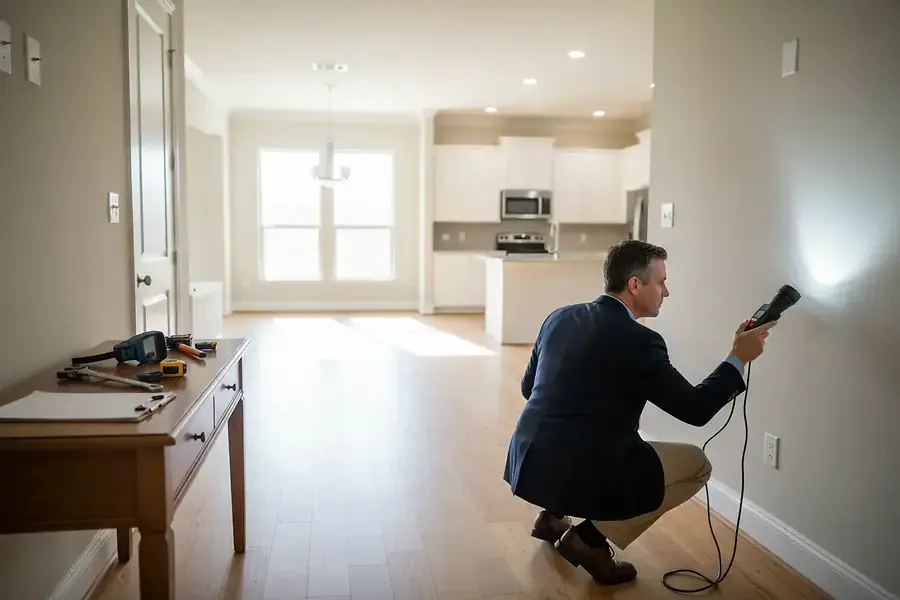
What Home Inspectors Look For in Texas Properties
A comprehensive home inspection is one of the most important steps in the home-buying process, especially in competitive markets like Austin and Southlake. Professional inspectors examine every major system and component of a property to identify potential issues before you commit to the purchase.
Home inspectors in Texas focus on several critical areas:
- Structural Integrity: Foundation cracks, settling issues, and structural damage are particularly important in Texas due to clay soil conditions that can shift seasonally.
- Roofing Systems: Inspectors assess roof condition, age, and durability, checking for missing shingles, leaks, and proper ventilation.
- HVAC Systems: Given Texas's hot climate, air conditioning units receive thorough evaluation for efficiency and proper operation.
- Plumbing: Water pressure, drainage, pipe materials, and potential leaks are examined throughout the property.
- Electrical Systems: Panel condition, wiring safety, and outlet functionality are verified to meet current codes.
- Exterior Elements: Siding, windows, doors, gutters, and drainage systems are inspected for water intrusion risks.
Common Issues Found in Austin and Southlake Homes
Foundation and Soil-Related Problems
Texas's expansive clay soil creates unique challenges for homeowners. Foundation settling and cracking are among the most common issues found during inspections in this region. The soil expands when wet and contracts when dry, causing movement that can stress foundations over time.
Water Damage and Moisture Issues
Despite Texas's reputation for heat and drought, water damage remains a significant concern. Heavy rain events can lead to:
- Roof leaks and water staining in attics
- Basement or crawl space moisture accumulation
- Improper grading around the foundation
- Damaged or clogged gutters and downspouts
HVAC System Concerns
Air conditioning systems work overtime in Texas heat. Inspectors frequently find aging units nearing the end of their lifespan, inadequate maintenance, and refrigerant issues. Replacing an AC system can be a significant expense, making this a critical inspection point.
Roof Age and Condition
Texas sun exposure accelerates roof deterioration. Many homes in Austin and Southlake have roofs approaching or exceeding their expected 20-25 year lifespan, requiring replacement or major repairs.
Electrical and Plumbing Updates
Older homes may have outdated electrical panels, aluminum wiring, or galvanized pipes that need replacement. These upgrades are essential for safety and functionality.
How to Prepare for and Interpret Your Inspection Report
Before the Inspection
Preparation is key to getting the most value from your home inspection:
- Ensure the property is accessible and utilities are on
- Make a list of specific concerns you want the inspector to address
- Plan to be present during the inspection to ask questions
- Request a detailed written report with photos and recommendations
Understanding Your Inspection Report
Professional inspection reports typically categorize findings into three levels:
- Critical Issues: Safety hazards or major system failures requiring immediate attention
- Major Concerns: Significant problems that will likely need repair within a few years
- Minor Issues: Small defects or maintenance recommendations
Don't panic if your report identifies issues—most homes have some findings. The key is understanding which problems are deal-breakers and which are manageable.
Getting Professional Clarification
If the report contains technical language or unclear findings, ask your inspector for clarification. Request estimates for major repairs and timelines for addressing issues. You can also hire specialists to evaluate specific concerns, such as structural engineers for foundation issues or HVAC technicians for air conditioning problems.
Next Steps: Using Inspection Results in Your Purchase Decision
Negotiation Strategies
Armed with your inspection report, you have several options:
- Request Repairs: Ask the seller to fix critical issues before closing
- Negotiate Credits: Request a price reduction to cover repair costs yourself
- Request Inspections by Specialists: Hire experts for major concerns before making final decisions
- Walk Away: If issues are too extensive or costly, you may choose to terminate the contract
Planning Your Budget
Use inspection findings to plan your post-purchase budget. Set aside funds for recommended maintenance and repairs, especially for aging systems. In Austin and Southlake's competitive market, homes with deferred maintenance may be priced lower, but factor in the true cost of bringing them up to standard.
Long-Term Home Maintenance
Your inspection report serves as a valuable maintenance roadmap. Follow the inspector's recommendations for routine maintenance to prevent small issues from becoming expensive problems. Regular HVAC servicing, roof inspections, and foundation monitoring can extend your home's lifespan and protect your investment.
Final Thought: A thorough home inspection is your best defense against unexpected expenses and safety issues. In Austin and Southlake's fast-paced real estate markets, taking time to understand your property's condition ensures you're making an informed investment decision that protects your financial future.


