Essential Home Inspection Guide for Avon, Ohio Residential Buyers
Learn what to look for during inspections to avoid costly surprises in Avon's residential market.

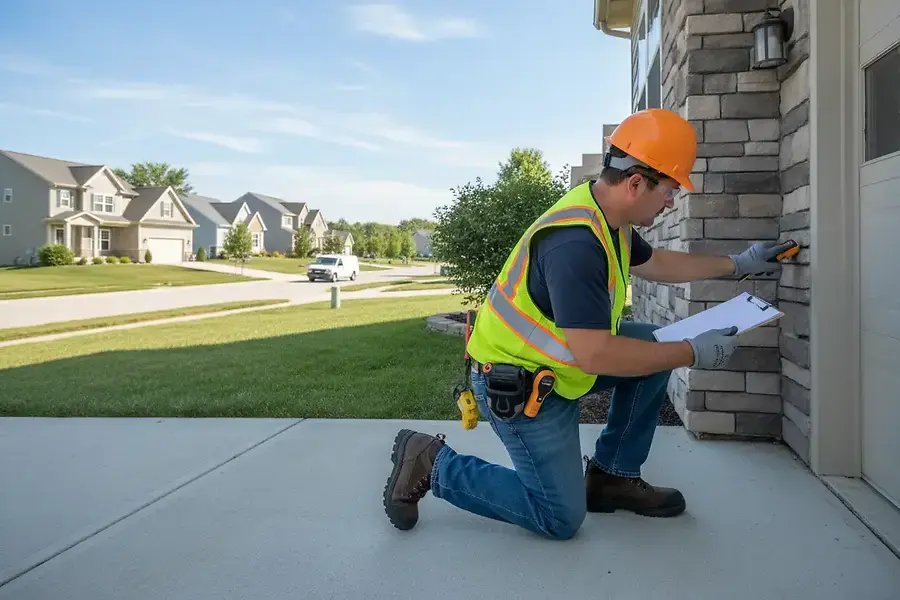
Why Home Inspections Matter in Avon
Purchasing a home is one of the most significant financial decisions you'll make in your lifetime. In Avon, Ohio's competitive residential market, a professional home inspection serves as your safeguard against hidden defects and costly repairs. An inspection provides an objective assessment of a property's condition, giving you the knowledge needed to negotiate effectively or walk away from problematic properties.
Many buyers underestimate the importance of thorough inspections, viewing them as an unnecessary expense. However, a comprehensive inspection can reveal issues that might cost thousands to repair after purchase. From foundation problems to outdated electrical systems, inspectors uncover details that affect both your safety and your investment's long-term value.
Key Areas Inspectors Examine in Avon Homes
Structural Integrity and Foundation
Inspectors begin by evaluating the home's foundation and structural components. In Avon, where homes experience seasonal freeze-thaw cycles, foundation cracks and settling are common concerns. Inspectors look for:
- Visible cracks in the foundation or basement walls
- Water damage or moisture intrusion
- Signs of settling or uneven floors
- Proper grading around the foundation
Roofing and Exterior Systems
The roof protects your entire home from the elements. Inspectors assess roof condition, age, and remaining lifespan. They examine:
- Shingle condition and potential leaks
- Gutters and downspout functionality
- Exterior siding and trim for damage
- Windows and doors for proper sealing
Electrical Systems
Outdated or faulty electrical systems pose serious safety risks. Inspectors evaluate the electrical panel, wiring, and outlets to ensure they meet current safety standards. Key inspection points include:
- Adequate circuit breaker capacity
- Proper grounding and bonding
- GFCI outlets in wet areas
- Signs of overheating or damage
Plumbing and Water Systems
Water-related issues can lead to expensive damage. Inspectors test water pressure, check for leaks, and assess the condition of pipes and fixtures. They examine:
- Water main shut-off location and functionality
- Pipe material and condition
- Water heater age and operation
- Drainage system functionality
HVAC Systems
Heating and cooling systems are critical for comfort and safety. Inspectors evaluate furnace and air conditioning units for proper operation and maintenance history. They assess:
- System age and remaining lifespan
- Proper ventilation and ductwork
- Carbon monoxide detector presence
- Regular maintenance records
Interior Conditions
Inspectors examine interior spaces for structural issues, moisture problems, and safety concerns. This includes checking walls, ceilings, floors, and identifying any signs of pest infestation or mold growth.
Red Flags and How to Interpret Inspection Reports
Understanding Report Categories
Professional inspection reports typically categorize findings by severity. Understanding these categories helps you prioritize concerns:
- Critical Issues: Safety hazards requiring immediate attention
- Major Concerns: Significant problems affecting home value or function
- Minor Issues: Small repairs or maintenance items
- Recommendations: Suggested improvements or further evaluation
Common Red Flags in Avon Homes
Foundation Problems: Cracks wider than 1/4 inch, bowing walls, or water seepage indicate serious structural issues. These require professional evaluation and can be expensive to repair.
Roof Damage: Missing shingles, significant wear, or a roof nearing the end of its lifespan suggests imminent replacement costs. Most roofs last 20-25 years.
Outdated Electrical Systems: Aluminum wiring, cloth-insulated wiring, or an undersized panel may require replacement for safety and insurance purposes.
Plumbing Issues: Galvanized pipes, active leaks, or low water pressure can indicate expensive repairs ahead. Polybutylene pipes, common in older homes, are particularly problematic.
HVAC Concerns: Systems over 15 years old may need replacement soon. Improper ventilation or missing carbon monoxide detectors are safety hazards.
Negotiating After Inspection
Once you receive the inspection report, you have several options. You can request repairs from the seller, ask for a credit toward repairs, renegotiate the price, or walk away from the deal. Use the inspection report as your negotiating tool, armed with specific findings and repair estimates.
Remember: A thorough inspection report is not meant to scare you away from a property—it's designed to inform your decision and protect your investment.
Making Informed Decisions with Inspection Data
A home inspection report provides the information you need to make confident purchasing decisions. Don't ignore red flags or assume you'll handle repairs later. Understanding the inspection findings allows you to:
- Accurately assess the true cost of homeownership
- Budget for necessary repairs and maintenance
- Negotiate fairly with sellers
- Avoid purchasing homes with serious hidden problems
- Plan for future upgrades and improvements
In Avon's residential market, informed buyers make better decisions. Take time to review the inspection report thoroughly, ask your inspector questions, and consult with specialists for any areas of concern. Your investment in a professional inspection today can save you thousands in unexpected repairs tomorrow.
Whether you're a first-time homebuyer or an experienced investor, prioritizing a comprehensive home inspection is essential. It's the best way to ensure you're making a sound financial decision and purchasing a safe, well-maintained home for you and your family.


