Essential Home Inspection Guide for Bay Area Residential Buyers
Discover what professional inspectors look for when evaluating residential properties across the Bay Area's diverse neighborhoods.

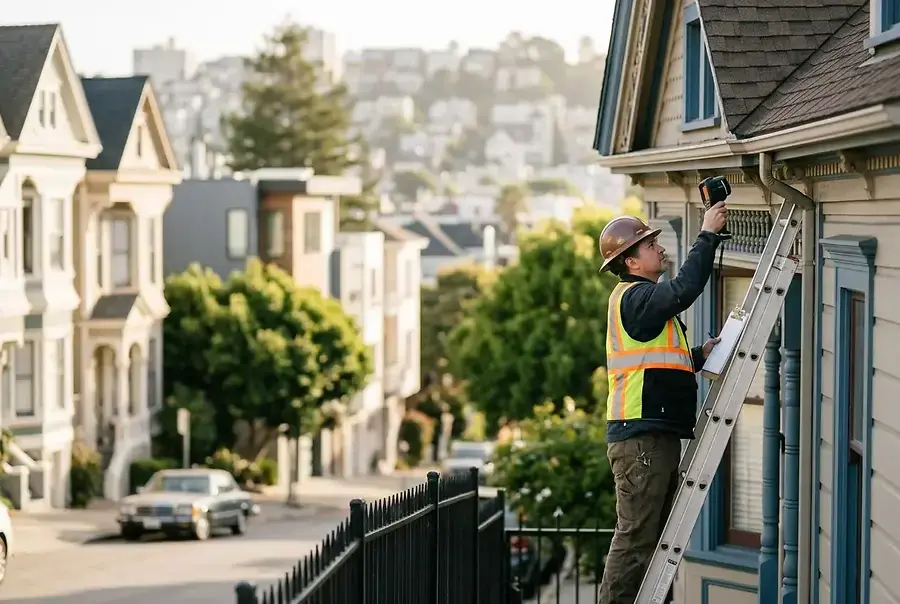
Introduction: Why Home Inspections Matter in Competitive Markets
In the Bay Area's fast-paced real estate market, making an informed decision about a residential property purchase is more critical than ever. With homes selling quickly and competition among buyers remaining fierce, a professional home inspection serves as your essential safeguard against costly surprises after closing. A thorough inspection provides an objective assessment of a property's condition, helping you understand exactly what you're investing in and identifying potential issues before they become your financial responsibility.
Home inspections are particularly valuable in the Bay Area, where properties range from historic Victorian homes to modern tech-forward residences, each with unique structural and mechanical considerations. Whether you're buying in San Francisco, the Peninsula, the East Bay, or the North Bay, understanding what inspectors evaluate can empower you to make smarter purchasing decisions and negotiate more effectively with sellers.
Key Areas Professional Inspectors Examine
Structural Integrity and Foundation
Professional inspectors begin by evaluating the foundation and overall structural integrity of the home. They look for signs of settling, cracks in the foundation, water damage, and structural movement. In the Bay Area, where seismic activity is a concern, inspectors pay special attention to how well a home is braced and whether it meets current earthquake safety standards. They examine basement or crawl space conditions, checking for moisture intrusion, mold, and proper ventilation.
Roofing and Exterior Systems
The roof is one of the most expensive components to replace, so inspectors carefully assess its condition, age, and remaining lifespan. They examine shingles or tiles for damage, check flashing around chimneys and vents, and evaluate gutters and downspouts. Exterior walls are inspected for proper siding condition, paint integrity, and weatherproofing. Bay Area inspectors also evaluate how well homes are protected against the region's variable weather patterns, from coastal fog to intense summer heat.
Plumbing Systems
Inspectors test all accessible plumbing fixtures, checking water pressure, drainage, and hot water availability. They examine visible pipes for corrosion, leaks, and proper installation. In older Bay Area homes, inspectors often identify outdated plumbing materials like galvanized pipes or polybutylene, which may need replacement. They also assess the water heater's age, condition, and proper venting, along with evaluating the main water shut-off valve accessibility.
Electrical Systems
A comprehensive electrical inspection includes checking the main panel, circuit breakers, and visible wiring throughout the home. Inspectors verify that the electrical system is properly grounded and that outlets are functioning correctly. They look for outdated wiring, improper installations, and potential fire hazards. In the Bay Area, where many homes are older, inspectors frequently identify outdated electrical systems that may need upgrading to meet current safety standards and handle modern power demands.
HVAC and Climate Control
Heating, ventilation, and air conditioning systems are tested to ensure they operate properly. Inspectors evaluate furnace or heat pump condition, check air conditioning functionality, and assess ductwork integrity. They examine thermostats, filters, and overall system efficiency. Given the Bay Area's mild climate, some homes may lack air conditioning, but inspectors ensure whatever climate control exists is functioning optimally.
Interior Components and Systems
Inspectors examine doors, windows, flooring, walls, and ceilings for damage, proper operation, and signs of water intrusion. They check for adequate insulation, proper ventilation, and signs of pest activity. Kitchen and bathroom fixtures are evaluated for functionality and condition. Inspectors also look for evidence of previous water damage, mold, or other moisture-related issues that could indicate ongoing problems.
Red Flags and Deal-Breaker Issues to Watch For
Foundation Problems and Structural Damage
Foundation issues are among the most serious concerns a home inspector can identify. Significant cracks, settling, or structural movement can require expensive repairs and may indicate ongoing problems. In the Bay Area, homes with inadequate seismic bracing or foundation issues may require costly retrofitting to meet safety standards.
Water Damage and Mold
Evidence of water intrusion, whether from roof leaks, plumbing failures, or poor drainage, is a major red flag. Mold growth indicates moisture problems that can affect both the home's structural integrity and your family's health. Inspectors look for water stains, soft wood, and musty odors that suggest ongoing moisture issues.
Outdated or Hazardous Materials
Older Bay Area homes may contain asbestos, lead paint, or other hazardous materials. While their presence doesn't automatically disqualify a property, remediation costs can be substantial. Inspectors identify these materials so you can factor removal or encapsulation costs into your decision.
Electrical and Plumbing System Failures
Outdated electrical panels, aluminum wiring, or corroded plumbing can pose safety risks and require expensive upgrades. Systems that don't meet current code requirements may need replacement before you can safely occupy the home.
HVAC System Deterioration
Aging furnaces, heat pumps, or air conditioning systems nearing the end of their lifespan represent significant replacement costs. Inspectors provide estimates on remaining system life, helping you budget for future replacements.
Pest Infestation
Evidence of termites, carpenter ants, or other destructive pests requires immediate attention. These infestations can cause structural damage and may require professional treatment and ongoing monitoring.
Conclusion: Making Informed Decisions with Inspection Results
A professional home inspection is an investment in your peace of mind and financial security. By understanding what inspectors evaluate and recognizing potential red flags, you're better equipped to make informed decisions in the Bay Area's competitive real estate market. Use inspection results to negotiate repairs or credits with sellers, budget for necessary improvements, or reconsider the purchase if issues are too significant.
Remember that no home is perfect, and minor issues are normal. The goal of a home inspection is to identify problems so you can make decisions based on complete information rather than surprises after closing. Whether you're a first-time buyer or an experienced investor, a thorough professional inspection remains one of the most important steps in the home-buying process.


