Essential Home Inspection Guide for Bentonville Property Buyers
What every homebuyer in Bentonville needs to know before closing on their next property.

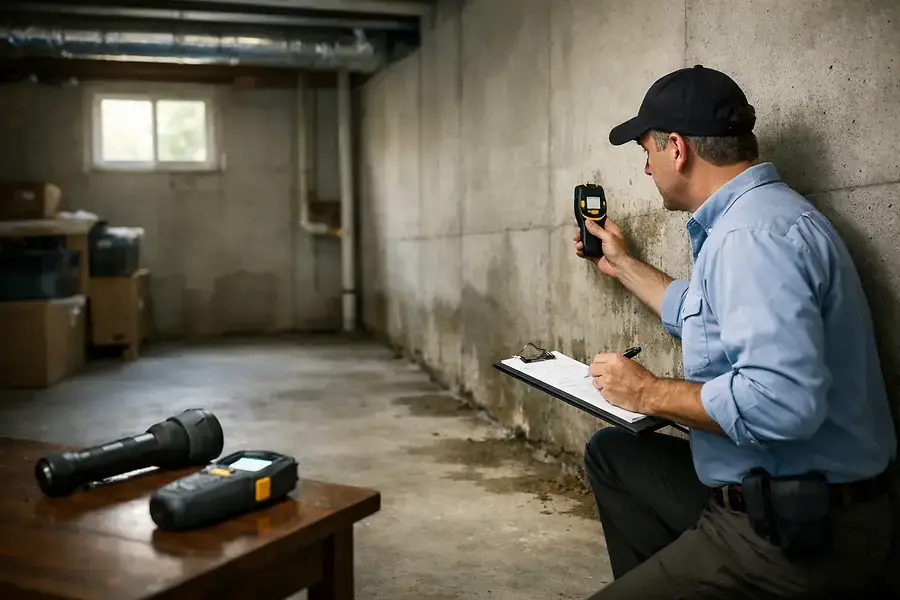
Understanding the Home Inspection Process in Bentonville
A home inspection is one of the most critical steps in the homebuying process. In Bentonville, professional inspectors examine every aspect of a property to identify potential issues before you commit to the purchase. This process typically takes 2-4 hours and covers the foundation, roof, electrical systems, plumbing, HVAC, and interior components.
During the inspection, you have the right to be present and ask questions. A qualified inspector will provide a detailed report documenting their findings, which becomes your roadmap for negotiations. Understanding this process helps you make informed decisions and avoid costly surprises after closing.
What to Expect During Your Inspection
Your inspector will systematically evaluate:
- Structural integrity and foundation condition
- Roof age and condition
- Electrical systems and safety
- Plumbing functionality and water quality
- HVAC systems and efficiency
- Insulation and ventilation
- Windows, doors, and exterior condition
- Appliances and built-in systems
The inspector will note items that need immediate attention, those requiring future maintenance, and upgrades that could improve the property's value.
Common Issues Found in Northwest Arkansas Homes
Bentonville's climate and construction history create specific challenges for homeowners. Being aware of these common issues helps you evaluate inspection reports more effectively.
Moisture and Water Damage
Northwest Arkansas experiences significant rainfall, making moisture management critical. Common moisture-related issues include basement seepage, crawl space dampness, and roof leaks. These problems can lead to mold growth and structural damage if left unaddressed. Look for water stains, discoloration, and musty odors during your walkthrough.
Roof Concerns
Many homes in the area have roofs nearing the end of their lifespan. Asphalt shingles typically last 15-20 years, and inspectors will assess remaining life expectancy. Damaged flashing, missing shingles, and inadequate ventilation are frequent findings that require attention.
HVAC System Issues
Heating and cooling systems work overtime in this region. Inspectors often find outdated units, inadequate maintenance, and efficiency problems. Replacing an HVAC system can cost $5,000-$15,000, so this finding significantly impacts your negotiating position.
Electrical and Plumbing Updates
Older homes may have outdated electrical panels, insufficient outlets, or outdated plumbing materials like galvanized pipes. These systems may function but could pose safety risks or require upgrades to meet current standards.
Red Flags and How to Negotiate Repairs
Not every inspection finding requires negotiation. Understanding which issues are deal-breakers versus minor concerns helps you prioritize effectively.
Major Red Flags
Certain findings should trigger serious consideration:
- Foundation problems: Cracks, settling, or structural issues are expensive and complex to repair
- Mold presence: Extensive mold indicates serious moisture problems requiring professional remediation
- Termite or pest damage: Structural wood damage compromises the home's integrity
- Electrical hazards: Faulty wiring, outdated panels, or safety violations pose fire risks
- Roof failure: Roofs requiring immediate replacement affect your budget significantly
Negotiation Strategies
Once you receive the inspection report, you have several options:
- Request repairs: Ask the seller to fix issues before closing
- Request credits: Negotiate a price reduction to handle repairs yourself
- Request inspections: For major issues, ask for specialist evaluations (foundation, roof, etc.)
- Walk away: If issues are too extensive, you can terminate the contract
Prioritize major structural and safety issues over cosmetic concerns. A roof replacement is non-negotiable; outdated paint is not. Get multiple repair quotes to support your negotiation position with accurate cost estimates.
Working with Your Real Estate Agent
Your Bentonville real estate agent understands local market conditions and typical repair costs. They can advise on which findings are serious in your specific neighborhood and help craft reasonable repair requests that sellers are likely to accept.
Final Steps to Protect Your Investment
The inspection doesn't end when you receive the report. Taking additional steps ensures you're fully protected.
Schedule Follow-Up Inspections
For major findings, hire specialists to evaluate specific systems. A foundation engineer, structural inspector, or roofing contractor can provide detailed assessments that inform your decisions.
Verify Repairs Are Completed
If the seller agrees to repairs, schedule a final walkthrough before closing to confirm work was completed properly. Request receipts and warranties for any work performed.
Obtain Home Warranties
Consider purchasing a home warranty that covers major systems and appliances. This provides peace of mind and financial protection during your first years of ownership.
Plan Your Maintenance Schedule
Use the inspection report to create a maintenance plan. Address deferred maintenance promptly to prevent small issues from becoming expensive problems. Regular maintenance protects your investment and maintains your home's value.
"A thorough home inspection is your best defense against unexpected repairs and costly surprises. In Bentonville's competitive real estate market, being informed and prepared gives you the confidence to make smart decisions."
By understanding the inspection process, recognizing common regional issues, and negotiating effectively, you'll close on your Bentonville home with confidence. Your inspection report is a valuable tool—use it wisely to protect your investment and ensure your new home is safe, sound, and ready for your family.


