Essential Home Inspection Guide for Brookline and Boston Property Buyers
Learn what professional inspectors look for and how to protect your investment in Massachusetts residential properties.

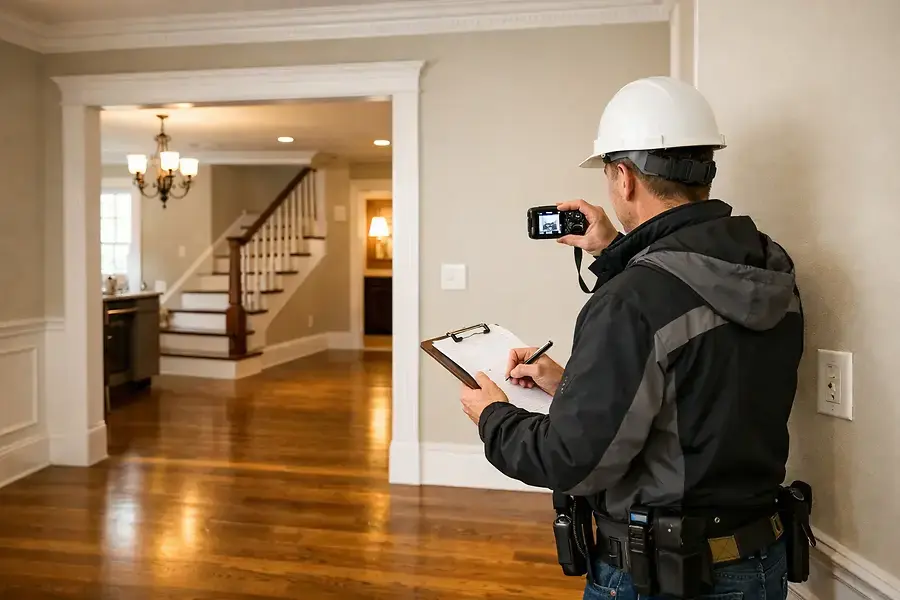
Why Home Inspections Matter in Competitive Markets
In the fast-paced real estate markets of Brookline and Boston, home inspections serve as your most valuable defense against costly surprises. When competition is fierce and properties move quickly, it's tempting to skip this crucial step or rush through it. However, a thorough home inspection can reveal hidden issues that could cost thousands of dollars in repairs after closing.
A professional home inspection provides an objective assessment of a property's condition, giving you leverage in negotiations and peace of mind in your investment. In Massachusetts, where older homes are common, understanding what inspectors look for can mean the difference between a sound investment and a financial burden.
Key Areas Inspectors Examine and Red Flags to Watch For
Structural Integrity and Foundation
Inspectors begin by evaluating the foundation, which is critical in older Boston and Brookline homes. They look for:
- Cracks in the foundation – Small hairline cracks are normal, but large or expanding cracks indicate serious problems
- Water damage and moisture – Signs of past or present water intrusion suggest poor drainage or structural issues
- Settling and uneven floors – Sloping or bouncy floors may indicate foundation movement
Red flag: Basement walls with visible water stains or active moisture warrant further investigation by a structural engineer.
Roofing and Exterior
The roof is one of the most expensive components to replace. Inspectors examine:
- Age and condition of roofing materials
- Proper ventilation and insulation in the attic
- Gutters, downspouts, and drainage systems
- Siding, windows, and exterior caulking
Red flag: A roof nearing the end of its lifespan (15-20 years for asphalt shingles) may require replacement within a few years, a significant expense for buyers.
Electrical Systems
Electrical safety is paramount. Inspectors check for:
- Outdated wiring systems (knob-and-tube or aluminum wiring)
- Adequate grounding and proper circuit breaker function
- GFCI outlets in wet areas
- Sufficient electrical capacity for modern appliances
Red flag: Outdated wiring systems pose fire hazards and may require complete rewiring, a costly undertaking in Boston's historic homes.
Plumbing and Water Systems
Water-related issues are among the most common and expensive problems. Inspectors evaluate:
- Water pressure and flow rates
- Pipe materials and condition (lead pipes are a concern in older homes)
- Septic systems or municipal connections
- Water heater age and functionality
Red flag: Lead pipes or galvanized pipes nearing the end of their lifespan may require replacement. Lead testing is especially important in Brookline and Boston properties built before 1986.
HVAC Systems
Heating and cooling systems are essential in Massachusetts winters. Inspectors assess:
- Furnace or boiler age and efficiency
- Air conditioning capacity and condition
- Ductwork integrity and insulation
- Thermostat functionality
Red flag: An aging furnace or boiler may fail soon after purchase, requiring emergency replacement in winter months.
Interior Condition and Safety
Inspectors examine:
- Presence of asbestos, lead paint, or mold
- Structural damage from pests or water damage
- Proper ventilation and air quality
- Stair safety and handrail compliance
Red flag: Mold growth indicates moisture problems that extend beyond cosmetic concerns and may affect your family's health.
How to Prepare for an Inspection and Interpret the Report
Before the Inspection
Preparation sets the stage for a thorough evaluation:
- Hire a certified inspector – Look for Massachusetts-licensed inspectors with experience in older homes
- Attend the inspection – Ask questions and learn about the property's systems firsthand
- Request a detailed report – Ensure the inspector provides written documentation with photos
- Schedule specialized inspections – Consider separate evaluations for septic systems, radon, or pest damage if needed
Understanding the Report
Home inspection reports typically categorize findings into three levels:
- Safety Issues: Problems that pose immediate danger and require urgent attention
- Major Repairs: Significant issues affecting home systems that will need attention soon
- Minor Repairs: Small maintenance items or cosmetic concerns
Don't panic over every finding. Every home has issues – the goal is understanding which ones matter most to your decision.
Using Inspection Results in Negotiations
Armed with inspection findings, you have several options:
- Request repairs before closing
- Negotiate a price reduction to cover repair costs
- Ask for a credit toward closing costs
- Walk away if major issues exceed your comfort level
In competitive Boston and Brookline markets, sellers often resist repair requests. A price reduction may be more negotiable and gives you flexibility in choosing contractors.
Using Inspection Insights to Make Confident Offers
A thorough home inspection transforms you from a hopeful buyer into an informed investor. Understanding a property's true condition allows you to:
- Make realistic offers based on actual condition, not emotion
- Budget for necessary repairs and maintenance
- Avoid properties with deal-breaking issues
- Negotiate from a position of knowledge
In the competitive real estate markets of Brookline and Boston, knowledge is power. By understanding what inspectors examine and what red flags mean, you protect your investment and make decisions with confidence. Don't let the pressure of a competitive market rush you through this critical step – a thorough inspection today prevents expensive regrets tomorrow.