Essential Home Inspection Guide for Brooklyn and NYC Property Buyers
Learn what to look for during a home inspection to protect your investment and avoid costly surprises.

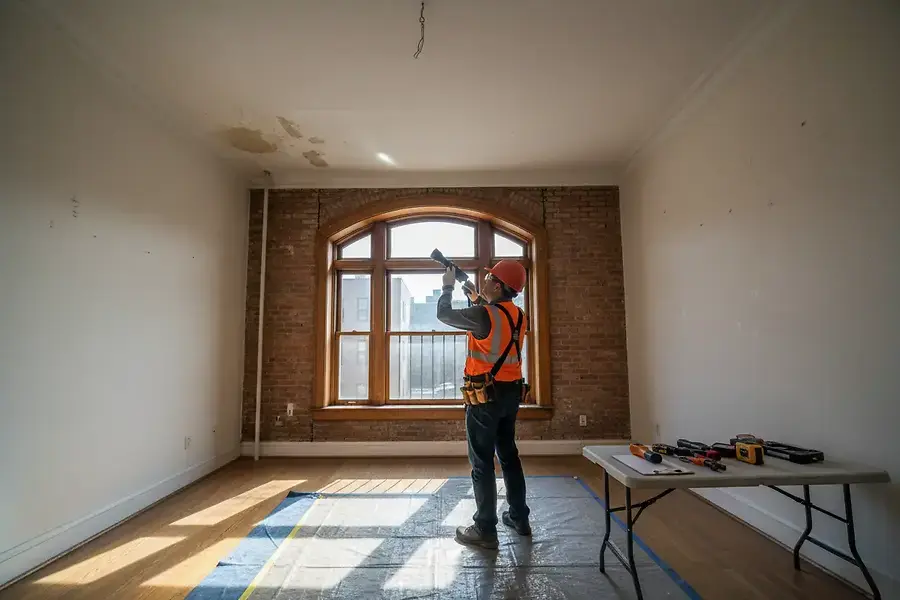
Why Home Inspections Matter for New York Buyers
Purchasing a home in Brooklyn or New York City represents one of the largest financial decisions you'll make in your lifetime. With property prices at premium levels and many buildings dating back decades, a thorough home inspection is not just recommended—it's essential. A professional home inspection provides an independent assessment of your potential property's condition, helping you make informed decisions and negotiate repairs or price adjustments before closing.
Many first-time buyers underestimate the importance of inspections, viewing them as an unnecessary expense. However, discovering structural issues, electrical problems, or plumbing failures after purchase can cost tens of thousands of dollars. In New York's competitive real estate market, a comprehensive inspection protects your investment and gives you peace of mind.
Key Areas to Evaluate During Your Home Inspection
Structural Integrity and Foundation
The foundation is your home's backbone. Inspectors should examine basement walls, crawl spaces, and visible foundation elements for cracks, water damage, or signs of settling. In Brooklyn's older neighborhoods, foundation issues are particularly common due to age and soil conditions. Look for horizontal cracks, which are more serious than vertical ones, and any evidence of previous repairs.
Roof and Exterior
The roof protects everything beneath it. Inspectors evaluate shingle condition, flashing around chimneys and vents, gutters, and downspouts. In NYC, where weather can be harsh, a roof's remaining lifespan is crucial information. Check for missing shingles, moss growth, and proper drainage. The exterior walls should also be examined for deterioration, water damage, and proper caulking around windows and doors.
Electrical Systems
Outdated electrical systems are common in older NYC properties. Inspectors test outlets, switches, and the main electrical panel. They verify that the system has adequate capacity for modern appliances and that grounding is proper. Knob-and-tube wiring, found in many pre-1950s buildings, is a red flag that requires replacement. Ensure the property meets current electrical codes.
Plumbing and Water Systems
Water damage is one of the costliest issues in New York properties. Inspectors check:
- Water pressure and flow rates
- Pipe materials and condition (galvanized, copper, or PVC)
- Evidence of leaks or water stains
- Sump pump functionality in basements
- Water heater age and condition
Old galvanized pipes may need replacement, and cast iron drain pipes can corrode over time. These issues can be expensive to remedy.
HVAC Systems
Heating and cooling systems are vital in New York's climate extremes. Inspectors evaluate furnace or boiler condition, age, and efficiency. They check air conditioning units, ductwork, and thermostat functionality. Regular maintenance records are a positive sign that systems have been well-cared for.
Insulation and Ventilation
Proper insulation affects energy efficiency and comfort. Inspectors assess attic insulation levels and check for adequate ventilation to prevent moisture buildup. Poor ventilation can lead to mold growth, a serious concern in humid NYC summers.
Common Issues Found in Brooklyn and NYC Properties
Water Intrusion and Moisture Problems
New York's humid climate and aging infrastructure make water intrusion a prevalent issue. Basements frequently experience seepage, and roof leaks can go unnoticed for years. Mold growth often accompanies moisture problems and poses health risks. During inspection, look for water stains, efflorescence (white mineral deposits), and musty odors.
Outdated Systems and Code Violations
Many Brooklyn brownstones and Manhattan apartments were built before modern building codes existed. Outdated electrical systems, inadequate ventilation, and non-compliant stairs are common findings. Understanding which issues require immediate remediation versus those that can be addressed gradually helps with budgeting.
Structural Issues from Age and Settlement
Older buildings naturally settle over time, causing cracked plaster, uneven floors, and misaligned doors. While minor settling is normal, significant structural movement requires professional evaluation. Masonry deterioration is another concern in NYC's brick and stone buildings.
Lead Paint and Asbestos
Properties built before 1978 likely contain lead paint. While not inherently dangerous if well-maintained, lead poses serious health risks if disturbed. Similarly, asbestos in insulation, floor tiles, and roofing materials requires professional assessment. Specialized testing may be necessary for these hazardous materials.
Pest Infestations
Urban properties are susceptible to rodents, cockroaches, and bed bugs. Inspectors look for droppings, entry points, and signs of infestation. Addressing pest problems early prevents expensive extermination and structural damage.
Taking Action to Secure Your Real Estate Investment
Once you receive the inspection report, take these steps:
- Review thoroughly: Understand every finding and ask your inspector questions about severity and urgency
- Prioritize issues: Distinguish between critical problems requiring immediate attention and cosmetic concerns
- Get repair estimates: Obtain quotes from licensed contractors for significant issues
- Negotiate: Use inspection findings to negotiate repairs, credits, or price reductions with the seller
- Plan ahead: Budget for deferred maintenance and anticipated system replacements
A home inspection is your opportunity to make an informed decision about one of life's biggest purchases. In Brooklyn and NYC's competitive market, don't skip this crucial step. Hire a qualified, licensed inspector familiar with older properties in the region. The investment in a thorough inspection—typically $300 to $500—is minimal compared to the protection it provides.
By understanding what to look for and taking inspection findings seriously, you'll avoid costly surprises and invest confidently in your New York property. Your dream home should be built on a solid foundation—literally and figuratively.