Essential Home Inspection Guide for Burlington Property Buyers
Discover what professional inspectors look for and how to protect your investment before closing.

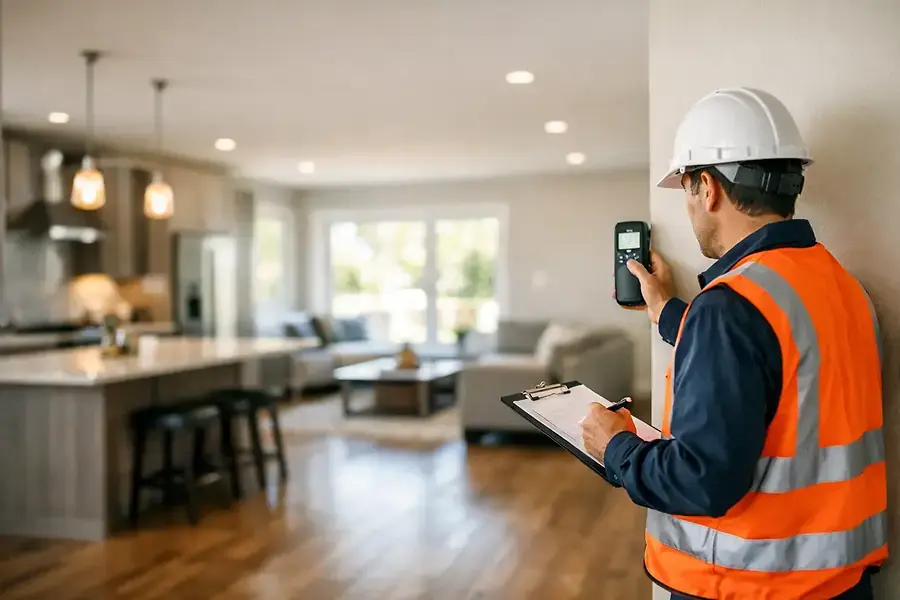
Understanding the Home Inspection Process
A home inspection is one of the most critical steps in the home-buying process, especially in Burlington where older homes and unique architectural styles are common. This comprehensive evaluation typically takes 2-4 hours and involves a licensed professional examining the property's structural integrity, systems, and overall condition.
The inspection is a non-invasive examination that doesn't require any destructive testing. The inspector will walk through every accessible area of the home, checking everything from the foundation to the roof. It's important to note that a home inspection is not the same as an appraisal—while an appraisal determines the home's market value, an inspection focuses on its physical condition and functionality.
Most inspections are contingent on your purchase agreement, meaning you can back out or renegotiate if significant issues are discovered. This contingency period typically lasts 7-10 days, giving you time to review the report and decide your next steps.
Key Areas Inspectors Examine in Vermont Homes
Structural Components
Inspectors carefully evaluate the foundation, framing, and overall structural integrity of the home. In Vermont, where freeze-thaw cycles are common, foundation cracks and settling are particularly important to assess. They'll look for signs of water damage, shifting, or structural movement that could indicate serious problems.
Roofing and Exterior
The roof is one of the most expensive components to replace, so inspectors pay close attention to its condition. They examine:
- Shingle condition and age
- Flashing around chimneys and vents
- Gutters and downspouts
- Siding, windows, and doors
- Grading and drainage around the property
Plumbing and Water Systems
Inspectors test all water fixtures, check for leaks, and assess the water pressure throughout the home. They'll also examine the water heater, septic system (if applicable), and look for signs of water damage or mold. Older homes in Burlington often have outdated plumbing that may need upgrading, which is important to identify early.
Electrical Systems
A thorough electrical inspection includes checking the panel, outlets, switches, and wiring. Inspectors look for outdated systems, improper installations, and safety hazards. Knob-and-tube wiring or aluminum wiring, common in older Vermont homes, may require replacement.
HVAC and Climate Control
The heating, ventilation, and air conditioning systems are tested for proper operation. In Vermont, where winters are harsh, the condition of your heating system is particularly crucial. Inspectors will assess furnace age, efficiency, and functionality.
Interior Conditions
Inspectors examine walls, ceilings, floors, and insulation. They look for signs of water damage, mold, pest infestations, and structural issues. Attic and basement inspections are especially important for identifying potential problems before they become expensive repairs.
How to Interpret Inspection Reports and Negotiate Repairs
Understanding the Report
Home inspection reports typically categorize findings into three levels: major issues (significant safety or structural concerns), minor issues (items that need attention but aren't urgent), and recommendations (maintenance suggestions for optimal performance).
Don't panic if your report contains multiple items. Most homes have some issues—it's the severity and cost of repairs that matter. Focus on major structural, electrical, plumbing, and safety concerns rather than cosmetic issues.
Negotiation Strategies
Once you have the inspection report, you have several options:
- Request repairs: Ask the seller to fix major issues before closing
- Request credits: Negotiate a price reduction to cover repair costs yourself
- Request inspections: Ask for specialized inspections on specific systems (electrical, plumbing, etc.)
- Walk away: If issues are too severe or costly, you can terminate the contract
Pro tip: Get repair estimates from licensed contractors before negotiating. This gives you concrete numbers to discuss with the seller and their agent.
Working with Your Real Estate Agent
Your real estate agent can provide valuable guidance on which issues are worth negotiating and what's typical for homes in the Burlington area. They understand local market conditions and can advise whether requesting repairs is reasonable given current market dynamics.
Next Steps: Using Inspection Findings to Make Confident Offers
Making Your Decision
After reviewing the inspection report and negotiating any necessary repairs or credits, you're in a much stronger position to make an informed decision. A thorough inspection protects your investment by ensuring you understand exactly what you're purchasing.
Planning for Future Maintenance
Even if all major issues are resolved, the inspection report serves as a valuable maintenance guide. Items listed as recommendations should be prioritized in your first year of ownership. This proactive approach can prevent small issues from becoming major problems.
Moving Forward with Confidence
With a clear understanding of the property's condition, you can move forward with your purchase confidently. The inspection contingency period is your opportunity to verify that the home is a sound investment. Don't hesitate to ask questions or request additional inspections if you have concerns about specific systems.
Remember, buying a home is likely the largest investment you'll make. Taking time to understand the inspection process and thoroughly review the findings ensures you're making a decision based on facts, not emotions. Whether you're a first-time buyer or an experienced investor in the Burlington market, a professional home inspection is an essential step toward protecting your financial future.


