Essential Home Inspection Guide for Buying Property in Lewes
A comprehensive checklist to identify potential issues before closing on your Lewes home.

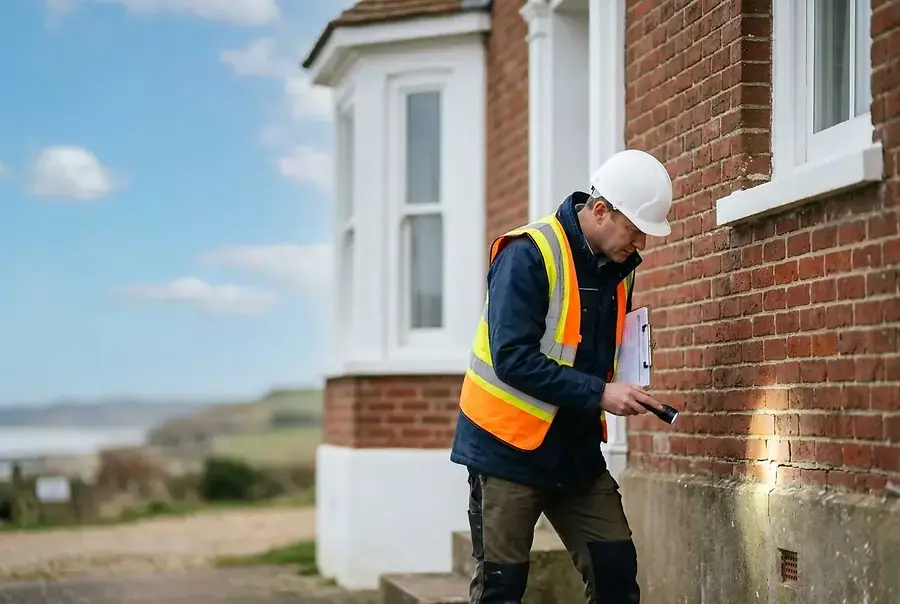
Why Home Inspections Matter in Lewes
Purchasing a home is one of the most significant financial decisions you'll make in your lifetime. In Lewes, a charming coastal community with diverse property types, a thorough home inspection is not just recommended—it's essential. A professional home inspection provides you with a detailed understanding of your property's condition before you commit to the purchase.
Home inspections serve as your protection against unexpected repairs and costly surprises after closing. Whether you're buying a historic Victorian home, a modern coastal property, or a traditional family residence, understanding what lies beneath the surface can save you thousands of dollars. Inspectors examine everything from the roof to the foundation, identifying issues that may not be visible to the untrained eye.
Key reasons to invest in a home inspection:
- Identify structural problems before they become major expenses
- Discover hidden issues with plumbing, electrical, and HVAC systems
- Assess the condition of the roof, foundation, and exterior
- Gain leverage for negotiations with the seller
- Plan for future maintenance and repairs
Structural and Foundation Assessment for Coastal Properties
Understanding Coastal Challenges
Lewes' proximity to the coast means properties face unique environmental challenges. Salt air, moisture, and potential flooding are factors that inspectors pay special attention to when evaluating coastal homes. The structural integrity of your property is paramount, especially in an area where weather conditions can be unpredictable.
What Inspectors Examine
During a structural assessment, professional inspectors look for:
- Foundation cracks and settling: Even small cracks can indicate serious problems that require immediate attention
- Water damage and moisture intrusion: Critical in coastal areas where humidity and salt spray are constant concerns
- Roof condition: Check for missing shingles, deterioration, and proper drainage
- Exterior walls and siding: Look for rot, warping, or corrosion from salt exposure
- Basement or crawl space issues: Evidence of water seepage or poor ventilation
- Structural support beams: Ensure they're sound and free from pest damage
Pro tip: Request a separate mold inspection if you notice any signs of moisture problems. Coastal properties are particularly susceptible to mold growth.
Flood Risk Assessment
Given Lewes' location, understanding flood risk is crucial. Ask your inspector about the property's elevation, proximity to water bodies, and any previous flood history. This information will help you make an informed decision and understand your insurance requirements.
Systems and Utilities: What Inspectors Look For
Electrical Systems
A comprehensive electrical inspection ensures your home is safe and up to code. Inspectors examine:
- The main electrical panel and circuit breakers
- Wiring throughout the home for proper grounding
- Outlets and switches for safety compliance
- Any outdated or hazardous wiring systems
Outdated electrical systems can pose fire hazards and may require expensive upgrades.
Plumbing and Water Systems
Water-related issues are among the most costly repairs homeowners face. Inspectors check:
- Water pressure and flow rates
- Pipe materials and condition (galvanized, copper, PVC)
- Water heater age and functionality
- Drainage systems and septic conditions
- Evidence of leaks or water damage
In coastal areas, corrosion from salt air can accelerate pipe deterioration, making this inspection particularly important.
HVAC and Climate Control
Your heating, ventilation, and air conditioning systems are vital for comfort and health. Inspectors evaluate:
- Age and condition of furnaces and air conditioning units
- Proper ventilation and ductwork
- Thermostat functionality
- Maintenance records and service history
Additional Systems
Don't overlook other important systems such as:
- Insulation: Proper insulation reduces energy costs and prevents moisture issues
- Ventilation: Ensures adequate air circulation and prevents mold growth
- Appliances: Check included appliances for age and working condition
Making Informed Decisions: Using Inspection Results in Negotiations
Understanding Your Inspection Report
Once the inspection is complete, you'll receive a detailed report categorizing issues by severity. Items are typically classified as:
- Critical: Issues that pose safety risks or require immediate repair
- Major: Significant problems that will be costly to fix
- Minor: Small issues that may be addressed over time
Take time to review the report thoroughly and ask your inspector to clarify any concerns. Understanding the severity and cost of repairs is essential for your next steps.
Negotiation Strategies
Armed with inspection results, you have several options:
- Request repairs: Ask the seller to fix critical and major issues before closing
- Negotiate a price reduction: Reduce the offer price to account for repairs you'll handle yourself
- Request a credit: Ask for a credit at closing to cover repair costs
- Walk away: If issues are too extensive, you have the right to withdraw your offer
Remember: A home inspection contingency in your purchase agreement protects you. Use this protection wisely to ensure you're making a sound investment.
Planning for Future Maintenance
Even if you proceed with the purchase, use the inspection report to plan for future maintenance. Understanding your home's condition helps you budget for repairs and preventative care. This is especially important in Lewes, where coastal conditions require regular upkeep.
Create a maintenance timeline: Prioritize repairs based on urgency and plan your budget accordingly. Address critical issues immediately, schedule major repairs within the first year, and tackle minor issues as your budget allows.
Final Thoughts
A thorough home inspection is your best defense against costly surprises and a crucial step in the home-buying process. In Lewes, where coastal properties face unique challenges, professional inspection expertise is invaluable. By understanding what inspectors look for and how to use their findings, you'll be well-equipped to make an informed decision and negotiate confidently. Don't skip this essential step—your future home and your wallet will thank you.