Essential Home Inspection Guide for California Residential Buyers
What residential property inspectors look for and why getting it right protects your investment in California markets.

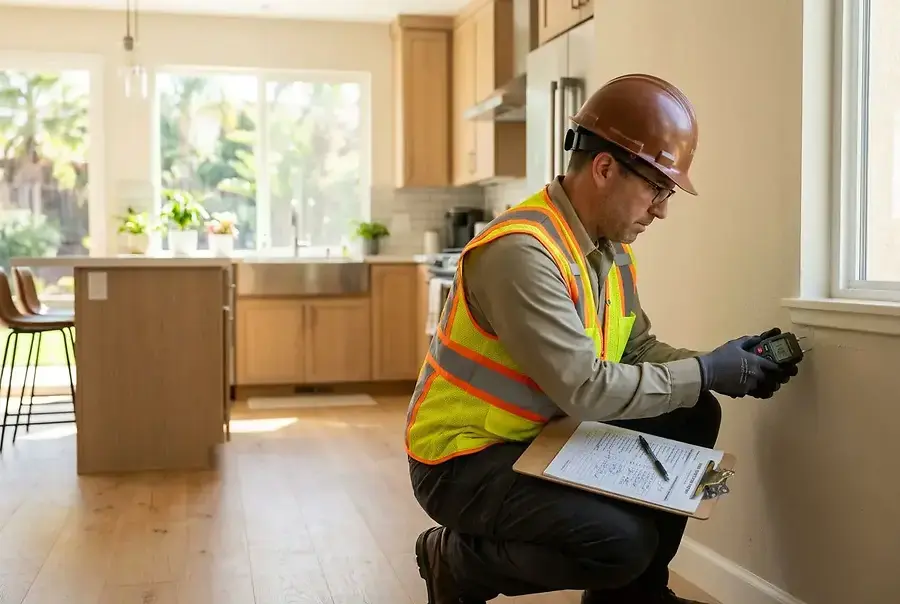
Why Home Inspections Matter in California's Competitive Markets
In California's fast-paced real estate market, purchasing a home represents one of the most significant financial decisions you'll make. With competitive bidding wars and limited inventory, many buyers feel pressured to move quickly—but skipping or rushing a professional home inspection can be a costly mistake. A comprehensive home inspection provides an objective assessment of a property's condition, revealing hidden issues that could impact your safety, comfort, and long-term investment value.
California's diverse climate zones, from coastal properties to inland regions, present unique challenges that inspectors must understand. Homes in earthquake-prone areas require specific structural evaluations, while coastal properties face salt spray corrosion and moisture concerns. By investing in a thorough inspection, you gain leverage in negotiations, identify necessary repairs, and make informed decisions about your purchase.
Key Areas Inspectors Evaluate in Residential Properties
Structural Integrity and Foundation
The foundation is the backbone of any home. Professional inspectors examine foundations for cracks, settling, and water damage. In California, where seismic activity is a concern, inspectors assess whether homes meet current building codes and evaluate the presence of proper bracing and anchoring systems. They look for signs of foundation movement, which could indicate serious structural problems requiring expensive repairs.
Roofing and Weather Protection
California's intense sun and occasional heavy rains demand robust roofing systems. Inspectors evaluate:
- Roof age and remaining lifespan
- Missing, damaged, or deteriorating shingles
- Proper flashing around chimneys and vents
- Gutter condition and drainage systems
- Signs of water intrusion or leaks
A compromised roof can lead to interior water damage, mold growth, and structural deterioration—issues that become exponentially more expensive to fix if left unaddressed.
Plumbing Systems
Inspectors test water pressure, check for leaks, and evaluate the age and condition of pipes. In older California homes, galvanized or polybutylene pipes may need replacement. They also assess water heater functionality, capacity, and age, as well as the condition of drains and sewer lines. Plumbing issues can quickly become expensive, making this evaluation critical.
Electrical Systems
A safe electrical system is non-negotiable. Inspectors examine the main panel, circuit breakers, wiring, outlets, and switches. They verify that the system meets current code requirements and identify potential fire hazards such as outdated wiring, overloaded circuits, or improper grounding. Homes with aluminum wiring or knob-and-tube systems may require upgrades for safety and insurance purposes.
HVAC and Climate Control
California's variable climate means heating and cooling systems must perform reliably. Inspectors evaluate furnace or heat pump condition, air conditioning functionality, ductwork integrity, and thermostat operation. They assess the age of equipment and estimate remaining useful life, helping you budget for future replacements.
Interior Conditions and Safety
Beyond major systems, inspectors examine:
- Windows and doors for proper operation and sealing
- Interior walls and ceilings for water stains or damage
- Flooring condition and stability
- Presence of hazardous materials like asbestos or lead paint
- Smoke and carbon monoxide detectors
- Stair safety and handrail integrity
Common Red Flags and How to Address Them Before Closing
Water Damage and Moisture Issues
The Red Flag: Stains on ceilings, walls, or crawl spaces indicate past or present water intrusion. Mold growth is a serious health concern and can indicate ongoing moisture problems.
How to Address It: Request a moisture specialist or mold inspector for a detailed assessment. Determine the source of water intrusion and obtain repair estimates. Use this information to negotiate repair credits or price reductions.
Outdated or Unsafe Electrical Systems
The Red Flag: Aluminum wiring, knob-and-tube wiring, or a panel that frequently trips breakers suggests electrical hazards.
How to Address It: Obtain quotes from licensed electricians for necessary upgrades. Many insurance companies require modern electrical systems, so addressing this issue protects your insurability and safety.
Roof Age and Condition
The Red Flag: Roofs nearing the end of their lifespan (typically 20-25 years) may need replacement soon, representing a significant expense.
How to Address It: Request a detailed roof inspection from a roofing specialist. If replacement is needed, negotiate with the seller for a credit or price reduction to cover the cost.
Foundation Problems
The Red Flag: Visible cracks, uneven floors, or doors that don't close properly may indicate foundation settlement or movement.
How to Address It: Hire a structural engineer for a comprehensive evaluation. Foundation repairs are expensive, so understanding the severity helps you make an informed decision about proceeding with the purchase.
Outdated Plumbing
The Red Flag: Galvanized pipes, polybutylene piping, or low water pressure suggest aging plumbing systems prone to failure.
How to Address It: Obtain plumbing contractor estimates for pipe replacement. Factor these costs into your offer or use them as negotiation points with the seller.
Making Informed Decisions with Professional Inspection Insights
A professional home inspection is your opportunity to understand exactly what you're purchasing. Rather than viewing inspection findings as deal-breakers, use them as tools for negotiation and planning. Minor issues might be acceptable if the price reflects the property's true condition. Major concerns should prompt serious consideration about whether the property aligns with your budget and timeline.
Key takeaways for California buyers:
- Always hire a licensed, experienced home inspector familiar with California properties
- Attend the inspection to ask questions and understand findings firsthand
- Request detailed written reports with photos and recommendations
- Obtain specialist inspections for concerns identified in the general inspection
- Use inspection findings to negotiate repairs, credits, or price adjustments
- Budget for identified repairs and maintenance in your financial planning
In California's competitive real estate landscape, a thorough home inspection levels the playing field. It transforms you from a buyer making emotional decisions under pressure into an informed consumer with factual knowledge about your investment. By understanding what inspectors evaluate and addressing red flags proactively, you protect your financial interests and ensure your new home is safe, sound, and worth the investment.