Essential Home Inspection Guide for Canfield, OH Residential Buyers
Learn what professional inspectors evaluate and how to protect your investment before closing on your Canfield home.

Why Home Inspections Are Critical in Canfield
Purchasing a home is one of the most significant financial decisions you'll make in your lifetime. In Canfield, Ohio, where residential properties range from historic homes to modern constructions, a professional home inspection is an essential step in the buying process. A thorough inspection protects your investment by identifying potential issues before you commit to closing on the property.
Many first-time homebuyers underestimate the importance of inspections, viewing them as an unnecessary expense. However, inspections can reveal costly problems that might not be visible during a casual walkthrough. From structural concerns to outdated electrical systems, these findings can significantly impact your decision-making process and negotiating power.
The inspection period is your opportunity to uncover hidden defects and understand the true condition of the property. In Canfield's diverse housing market, this due diligence is particularly valuable given the variety of home ages and construction standards.
What Professional Inspectors Look For in Canfield Homes
Structural Components and Foundation
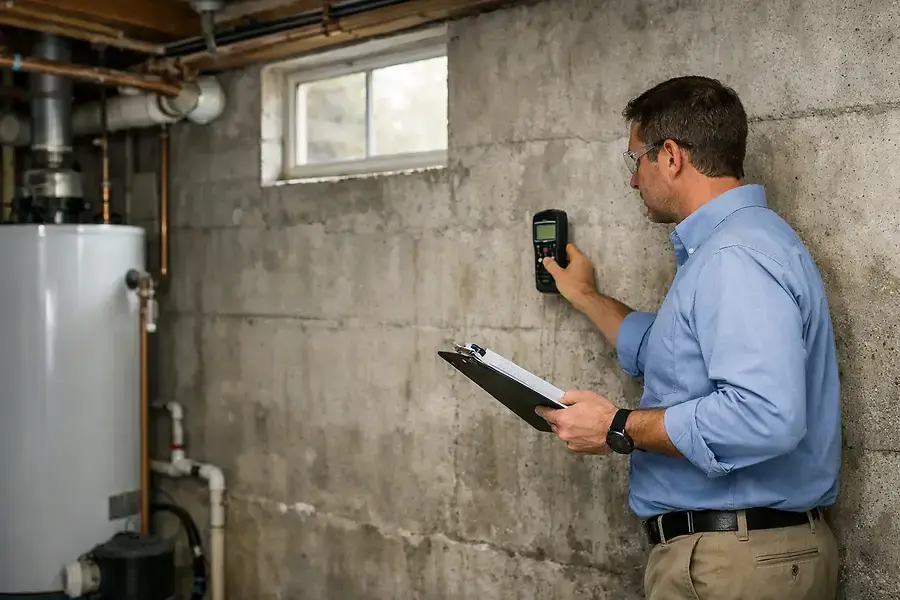
Professional inspectors begin by examining the home's foundation and structural integrity. They look for signs of settling, cracks, water damage, and moisture intrusion. In Canfield, where many homes have basements, inspectors pay special attention to foundation walls, basement floors, and any evidence of water problems. These issues can be expensive to repair and may indicate larger concerns.
Roofing and Exterior
The roof is your home's first line of defense against the elements. Inspectors evaluate:
- Roof age and remaining lifespan
- Missing or damaged shingles
- Flashing condition around chimneys and vents
- Gutter and downspout functionality
- Exterior siding condition and water damage
- Window and door seals
Given Ohio's weather patterns, a well-maintained roof is crucial for protecting your investment.
Plumbing Systems
Inspectors examine water supply lines, drain systems, and fixtures throughout the home. They test water pressure, check for leaks, and assess the condition of pipes. Older Canfield homes may have outdated plumbing that requires updating. Inspectors also evaluate the water heater's age and condition, as replacement can be a significant expense.
Electrical Systems
A comprehensive electrical inspection includes checking the main panel, circuit breakers, outlets, and switches. Inspectors look for outdated wiring, improper grounding, and potential safety hazards. In homes built before modern electrical codes were established, upgrades may be necessary for safety and insurance purposes.
HVAC Systems
Heating, ventilation, and air conditioning systems are evaluated for age, functionality, and maintenance needs. Inspectors assess whether systems are adequate for the home's size and check for proper installation. Regular maintenance history can indicate how well the systems have been cared for.
Interior Components
Inspectors examine:
- Walls and ceilings for water stains and damage
- Flooring condition and stability
- Doors and windows operation
- Insulation levels in attic and walls
- Ventilation in bathrooms and kitchen
- Appliances included in the sale
Understanding Inspection Reports and Negotiating Repairs
Decoding Your Inspection Report
Professional inspection reports are detailed documents that categorize findings by severity. Most reports use classifications such as:
- Critical Issues: Safety hazards or major structural problems requiring immediate attention
- Major Concerns: Significant defects that will likely need repair soon
- Minor Issues: Small problems that don't require immediate action
- Maintenance Recommendations: Suggestions for ongoing care and upkeep
Understanding these categories helps you prioritize concerns and make informed decisions about your purchase.
Using Inspection Findings in Negotiations
Once you receive the inspection report, you have several options:
- Request repairs: Ask the seller to fix critical and major issues before closing
- Negotiate credits: Request a credit toward closing costs to handle repairs yourself
- Renegotiate price: Use findings to justify a lower offer price
- Walk away: If issues are too extensive, you may choose to terminate the purchase
Professional inspections provide leverage in negotiations. Armed with detailed findings, you can make reasonable requests backed by expert assessment.
Working with Your Real Estate Agent
Your real estate agent can help you understand which issues are negotiable and typical for Canfield homes of similar age and condition. They can advise on local market conditions and what sellers typically accept regarding repairs and credits.
Using Inspection Findings to Make Confident Purchasing Decisions
A thorough home inspection empowers you to make decisions based on facts rather than emotions. Whether you're buying a charming historic home or a newer construction in Canfield, understanding the property's condition is essential.
Key takeaways for Canfield homebuyers:
- Never skip the inspection period—it's your protection
- Hire a qualified, licensed inspector with local experience
- Attend the inspection if possible to ask questions
- Review the report carefully and discuss findings with your agent
- Prioritize critical safety issues over cosmetic concerns
- Budget for maintenance and repairs in your financial planning
By taking inspection findings seriously and using them strategically in negotiations, you protect your investment and avoid costly surprises after closing. A home inspection isn't just a formality—it's a critical step that gives you confidence in your Canfield home purchase.


