Essential Home Inspection Guide for Central Arkansas Homebuyers
Learn what to look for during inspections to protect your investment in Little Rock, Cabot, Conway, and surrounding areas.

Understanding the Home Inspection Process
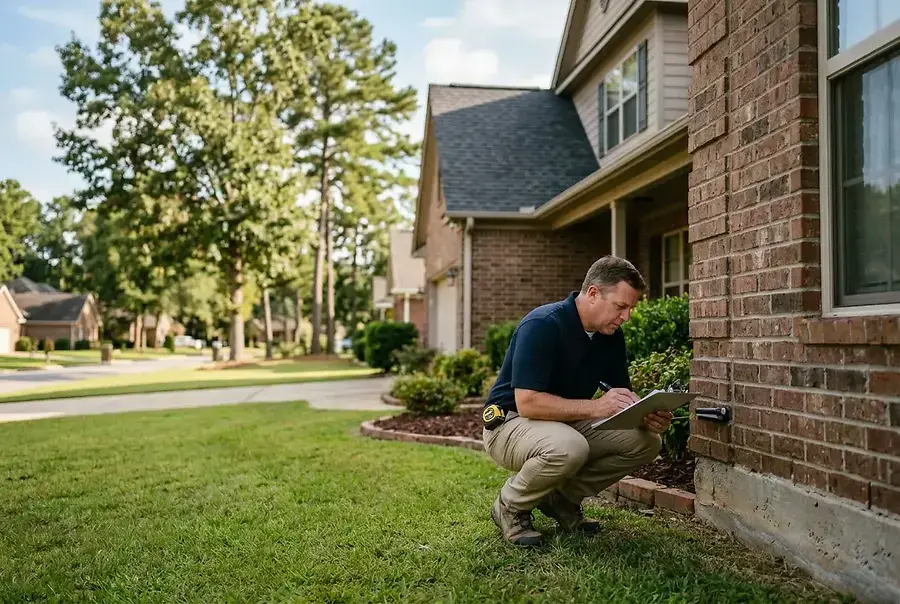
Purchasing a home is one of the most significant investments you'll make in your lifetime. In Central Arkansas, where the real estate market is competitive, a thorough home inspection is essential to protect your financial interests. A professional home inspection typically lasts two to three hours and involves a detailed examination of the property's structural components, systems, and overall condition.
During the inspection process, a certified inspector will evaluate everything from the foundation to the roof, checking for safety hazards, code violations, and maintenance issues. In Arkansas, it's important to hire a licensed inspector who understands the unique challenges of homes in our region, including humidity concerns, soil composition, and weather-related wear and tear.
What to expect: You have the right to be present during the inspection. In fact, it's highly recommended that you attend and ask questions. The inspector will provide you with a detailed written report within 24 to 48 hours, documenting their findings and recommendations.
Key Areas Inspectors Examine in Arkansas Homes
Foundation and Structural Integrity
The foundation is the backbone of any home. Inspectors will look for cracks, settling, water damage, and signs of structural movement. In Central Arkansas, where clay soil is common, foundation issues can develop over time due to soil expansion and contraction. This is particularly important to monitor in areas like Little Rock and Cabot.
Roofing and Attic Conditions
Arkansas experiences significant weather variations, from heavy rains to occasional severe storms. Inspectors will examine shingles for damage, check flashing around chimneys and vents, and assess the attic for proper ventilation and insulation. Look for signs of water stains, mold, or inadequate ventilation that could lead to costly repairs.
Plumbing Systems
Water quality and plumbing integrity are crucial in Arkansas homes. Inspectors test water pressure, check for leaks, examine pipe materials, and verify that the septic or municipal system is functioning properly. Older homes in Conway and surrounding areas may have outdated plumbing that requires updating.
Electrical Systems
A thorough electrical inspection ensures your home meets current safety codes. Inspectors will check the panel, outlets, switches, and wiring for potential hazards. Homes built before the 1980s may have outdated electrical systems that need upgrading to safely handle modern appliance loads.
HVAC and Climate Control
Given Arkansas's hot, humid summers and mild winters, a properly functioning HVAC system is essential. Inspectors will evaluate the heating and cooling systems, check refrigerant levels, and assess the age and condition of the equipment. Regular maintenance is critical in our climate.
Insulation and Ventilation
Proper insulation helps manage energy costs in Central Arkansas's variable climate. Inspectors will check attic insulation levels, crawl space conditions, and overall ventilation to prevent moisture buildup and mold growth.
Red Flags to Watch for in Central Arkansas Properties
Water Damage and Moisture Issues
Arkansas's humid climate makes water damage a common concern. Watch for:
- Stains on ceilings or walls indicating roof leaks
- Musty odors suggesting mold or mildew
- Soft spots in flooring or subflooring
- Discoloration around windows and doors
- Efflorescence (white powder) on basement walls
Foundation Problems
Red flags include:
- Visible cracks wider than 1/4 inch
- Horizontal cracks (more serious than vertical)
- Bowing or leaning walls
- Gaps between walls and floors
- Doors and windows that stick or won't close properly
Pest Infestation
Central Arkansas's warm climate attracts termites, carpenter ants, and other pests. Look for:
- Mud tubes on foundation walls
- Wood damage or hollow-sounding wood
- Sawdust or droppings
- Evidence of previous pest treatment
Outdated or Failing Systems
Electrical: Knob-and-tube wiring or aluminum wiring can be fire hazards. Plumbing: Galvanized pipes may have corrosion issues. HVAC: Units over 15 years old may need replacement soon.
Roof Condition
Look for missing or damaged shingles, sagging areas, or a roof nearing the end of its lifespan (typically 20-25 years). In Arkansas, weather damage is common and expensive to repair.
Taking Action on Inspection Results
Understanding Your Report
The inspection report will categorize findings by severity. Critical issues require immediate attention and may affect your decision to purchase. Major concerns need addressing within a reasonable timeframe. Minor issues are typically maintenance items.
Negotiating with the Seller
Once you receive the inspection report, you have several options:
- Request repairs: Ask the seller to fix critical issues before closing
- Request credits: Negotiate a reduction in the purchase price to cover repairs
- Request inspections: Ask for specialized inspections (pest, radon, mold) if needed
- Walk away: If issues are too extensive, you may choose not to proceed
Planning for Future Maintenance
Even if the inspection reveals no major issues, use the report as a maintenance guide. Address minor issues promptly to prevent them from becoming expensive problems. Create a maintenance schedule for HVAC servicing, roof inspections, and plumbing checks.
Getting Specialized Inspections
Consider additional inspections for:
- Radon testing: Important in Arkansas to check for this colorless, odorless gas
- Mold inspection: Especially important given our humid climate
- Termite inspection: Often required by lenders in Central Arkansas
- Well and septic inspection: If the property uses these systems
Working with Your Real Estate Agent
Your real estate agent can help you understand inspection results and negotiate effectively with the seller. They're familiar with common issues in Central Arkansas properties and can provide valuable perspective on repair costs and urgency.
Final Thoughts: A home inspection is your opportunity to make an informed decision about one of your largest purchases. By understanding what inspectors look for and knowing the common issues in Central Arkansas homes, you can protect your investment and avoid costly surprises after closing. Take the inspection process seriously, ask questions, and don't hesitate to seek professional advice when needed.