Essential Home Inspection Guide for Central Connecticut Home Buyers
What you need to know before making an offer on a residential property in the region.

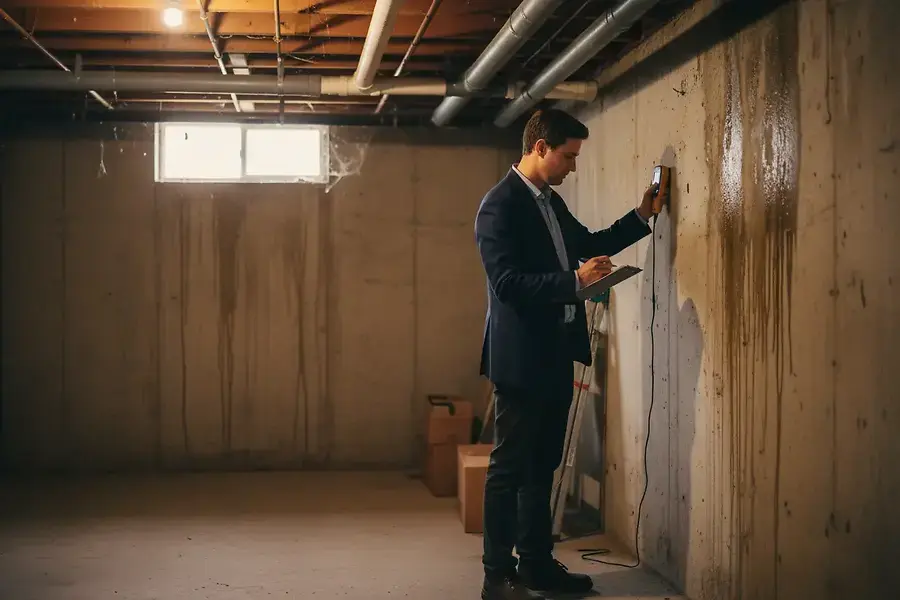
Introduction: Why Home Inspections Matter in Central Connecticut
Purchasing a home is one of the most significant investments you'll make in your lifetime. In Central Connecticut, where properties range from historic colonial homes to modern suburban residences, a professional home inspection is not just recommended—it's essential. A thorough inspection can reveal hidden issues that could cost thousands of dollars to repair, protect you from unexpected expenses, and give you the confidence to move forward with your purchase.
Home inspections serve as your first line of defense against costly surprises. They provide an objective assessment of a property's condition, from the foundation to the roof, and everything in between. Whether you're a first-time buyer or an experienced homeowner, understanding what a home inspection entails and how to use the results is crucial to making an informed decision.
Common Issues Found in Central Connecticut Homes and What to Look For
Moisture and Water Damage
Central Connecticut's climate, with its significant rainfall and seasonal changes, makes moisture-related issues one of the most common problems found in homes. Inspectors should carefully examine:
- Basement walls and floors for signs of water intrusion or dampness
- Crawl spaces for moisture accumulation
- Roof condition and gutters for proper drainage
- Foundation cracks that could allow water penetration
Water damage can lead to mold growth, structural deterioration, and expensive remediation. Don't overlook even minor signs of moisture—they often indicate larger underlying problems.
Aging Roofing Systems
Many Central Connecticut homes feature roofing systems that are nearing the end of their lifespan. During your inspection, pay attention to:
- Shingle condition and signs of curling or missing pieces
- Flashing around chimneys and vents
- Proper ventilation in the attic
- Age of the roof and remaining useful life
A roof replacement can cost $10,000 or more, making this one of the most important systems to evaluate thoroughly.
HVAC and Heating Systems
Connecticut winters demand reliable heating systems. Inspectors will evaluate:
- Age and condition of furnaces or boilers
- Proper ventilation and safety features
- Air conditioning unit functionality
- Ductwork integrity and insulation
Older heating systems may be inefficient and costly to operate, so understanding their condition helps you budget for potential upgrades.
Electrical and Plumbing Systems
Outdated electrical panels, aluminum wiring, and aging plumbing are common in older Central Connecticut homes. Look for:
- Adequate electrical capacity for modern appliances
- Grounding and safety features
- Galvanized or corroded pipes that may need replacement
- Water pressure and drainage issues
These systems are critical to daily living and safety, making their condition a top priority during inspection.
Structural Issues
Foundation problems, settling, and structural damage can be serious and expensive to repair. Inspectors will examine:
- Foundation cracks and their severity
- Signs of settling or shifting
- Basement support beams and posts
- Attic framing and structural integrity
Structural issues require immediate attention from specialists, so don't ignore any red flags your inspector identifies.
Working with Local Inspectors and Understanding Your Inspection Report
Choosing the Right Inspector
Selecting a qualified, experienced home inspector is crucial. Look for inspectors who are:
- Licensed and certified in Connecticut
- Members of professional organizations like the American Society of Home Inspectors (ASHI)
- Experienced with Central Connecticut properties and regional issues
- Willing to explain findings in detail and answer your questions
Don't choose an inspector based solely on price. A thorough inspection is worth the investment and can save you from making a costly mistake.
What to Expect During the Inspection
A standard home inspection typically takes 2-4 hours and covers all major systems and components. You should be present during the inspection to ask questions and learn about the property. The inspector will document findings with photos and detailed notes.
Interpreting Your Inspection Report
Inspection reports typically categorize findings as:
- Safety Issues: Problems that pose immediate danger and require urgent attention
- Major Repairs: Significant issues that will need professional repair soon
- Minor Repairs: Small issues that can be addressed over time
- Maintenance Recommendations: Suggestions for ongoing care and upkeep
Take time to review the report carefully and ask your inspector to clarify any findings. Understanding the severity and cost implications of each issue is essential for negotiation and decision-making.
Using Inspection Results in Negotiations
Armed with your inspection report, you have valuable information for negotiations. You can:
- Request repairs from the seller before closing
- Ask for credits toward repairs you'll handle yourself
- Renegotiate the purchase price based on significant findings
- Walk away from the deal if major issues are discovered
Be reasonable in your requests—minor cosmetic issues typically don't warrant renegotiation, but safety concerns and major system failures absolutely do.
Conclusion: Using Inspection Results to Make Informed Buying Decisions
A home inspection is your opportunity to make an informed decision about one of the largest purchases of your life. In Central Connecticut, where homes vary widely in age and condition, a thorough inspection is invaluable.
Remember: no home is perfect, but understanding a property's condition allows you to make decisions based on facts rather than emotions.
Take the inspection process seriously, work with qualified professionals, and use the results to negotiate effectively. Whether you're buying a charming historic home or a modern suburban property, a comprehensive home inspection protects your investment and gives you peace of mind as you move forward with your purchase.
By following this guide and prioritizing a thorough inspection, you'll be well-equipped to navigate the Central Connecticut real estate market with confidence and make the best decision for your family.


