Essential Home Inspection Guide for Central Connecticut Homebuyers
Discover what professional inspectors look for and how to protect your investment in towns like New Hartford, Farmington, and beyond.

Why Home Inspections Matter in Central Connecticut
Purchasing a home is one of the most significant investments you'll make in your lifetime. In Central Connecticut communities like New Hartford, Farmington, and surrounding towns, the real estate market presents unique opportunities and challenges. A professional home inspection is your safeguard against unexpected repairs and costly surprises after closing.
Home inspections provide an objective assessment of a property's condition, identifying potential issues before you commit to the purchase. Whether you're buying a charming colonial built in the 1950s or a contemporary home constructed recently, a thorough inspection protects your financial interests and gives you peace of mind.
Why should you prioritize a home inspection? Beyond the obvious structural concerns, inspections reveal maintenance issues, safety hazards, and code violations that could affect your family's well-being and your home's resale value.
Key Areas Inspectors Evaluate: Foundation, Systems, and Structural Integrity
Foundation and Structural Components
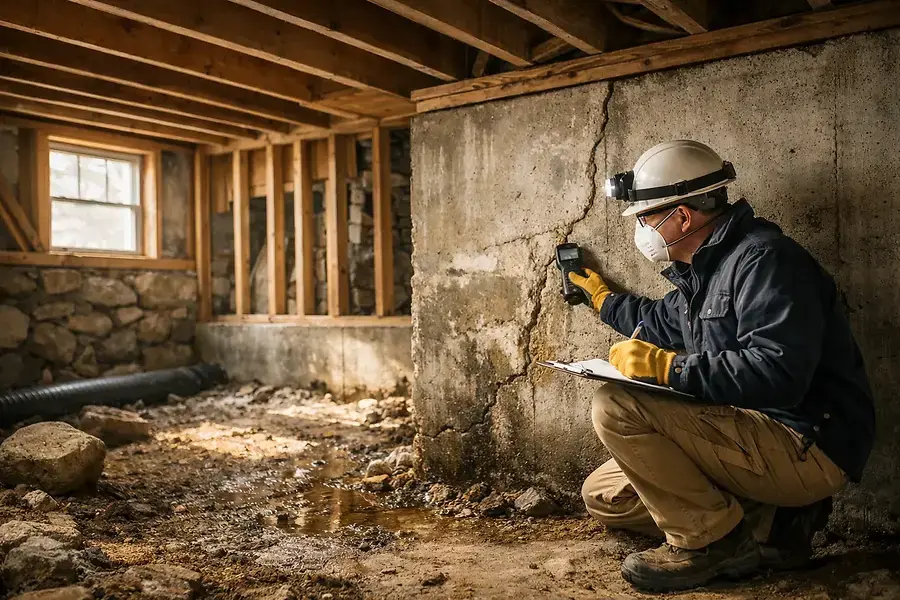
The foundation is the backbone of any home. Professional inspectors examine the foundation for cracks, settling, water intrusion, and signs of structural movement. In Central Connecticut, where seasonal freeze-thaw cycles are common, foundation issues are particularly important to assess.
- Vertical and horizontal cracks in concrete or masonry
- Evidence of water damage or moisture in basements and crawl spaces
- Proper grading and drainage around the foundation
- Support posts and beams for signs of rot or insect damage
Roofing and Exterior Systems
Your roof protects everything beneath it. Inspectors evaluate roof age, material condition, flashing integrity, and ventilation. They also assess siding, windows, doors, and exterior caulking for weatherproofing effectiveness.
Central Connecticut's weather patterns—including heavy snow, ice, and rain—make a well-maintained roof essential. Inspectors will check for missing shingles, deterioration, and proper installation of gutters and downspouts.
Electrical and Plumbing Systems
Electrical systems are inspected for safety compliance, proper grounding, adequate capacity, and outdated components like aluminum wiring or two-prong outlets. Plumbing inspections focus on water pressure, drainage, pipe material, and water heater condition.
- Panel box capacity and breaker functionality
- Presence of GFCI outlets in wet areas
- Pipe material and corrosion signs
- Water heater age and operational status
HVAC and Climate Control
Heating, ventilation, and air conditioning systems are critical in Connecticut's climate. Inspectors test furnaces, air conditioners, and heat pumps for proper operation and efficiency. They also evaluate ductwork, insulation, and ventilation systems.
Common Issues Found in Older Central Connecticut Homes and How to Address Them
Asbestos and Lead Paint
Homes built before the 1980s may contain asbestos in insulation, floor tiles, and roofing materials. Homes built before 1978 likely have lead-based paint. While these materials aren't always dangerous if undisturbed, they require proper management and disclosure.
Action steps: Request a lead paint disclosure, have suspected asbestos professionally tested, and budget for professional remediation if necessary. Never attempt DIY removal of these hazardous materials.
Outdated Electrical Systems
Older homes often have insufficient electrical capacity for modern appliances and devices. Knob-and-tube wiring, fuses instead of circuit breakers, and aluminum wiring are common in vintage Connecticut homes and pose fire hazards.
Consider upgrading to a modern electrical panel with adequate capacity and installing GFCI protection in bathrooms and kitchens. This investment improves safety and increases home value.
Plumbing and Water Quality Issues
Galvanized steel pipes corrode over time, reducing water pressure and potentially contaminating water supply. Older homes may also have cast iron drain lines that deteriorate. Additionally, well water in rural Central Connecticut areas requires testing for contaminants.
- Have water tested for bacteria, nitrates, and other contaminants
- Budget for pipe replacement if galvanized or cast iron pipes are present
- Install water filtration systems if needed
Inadequate Insulation and Ventilation
Many older Connecticut homes lack sufficient insulation, leading to high heating and cooling costs. Poor attic ventilation can cause premature roof deterioration and moisture problems. Modern energy-efficient upgrades can significantly reduce utility bills.
Structural Issues from Age and Weather
Connecticut's weather takes a toll on homes. Look for signs of wood rot, pest damage, foundation settling, and roof sagging. These issues require professional assessment and repair to prevent further deterioration.
Making Informed Decisions with Professional Inspection Reports
A comprehensive home inspection report provides detailed findings, photographs, and recommendations. Use this report to:
- Negotiate repairs: Request the seller address critical issues or provide credits toward repairs
- Budget for maintenance: Prioritize repairs and plan your home improvement timeline
- Understand your home: Learn about systems, maintenance requirements, and operational details
- Plan future upgrades: Identify energy efficiency improvements and modernization opportunities
A professional home inspection is not an expense—it's an investment in your peace of mind and financial security.
Don't skip the inspection to save money or expedite closing. In Central Connecticut's competitive real estate market, a thorough inspection protects your interests and ensures you're making an informed decision about one of life's biggest purchases.
Work with a certified, experienced home inspector who understands Central Connecticut's unique housing stock and regional challenges. Your future self will thank you for the diligence.