Essential Home Inspection Guide for Central Florida Real Estate Buyers
Learn what to look for during inspections to protect your investment in Miami, Orlando, and surrounding communities.

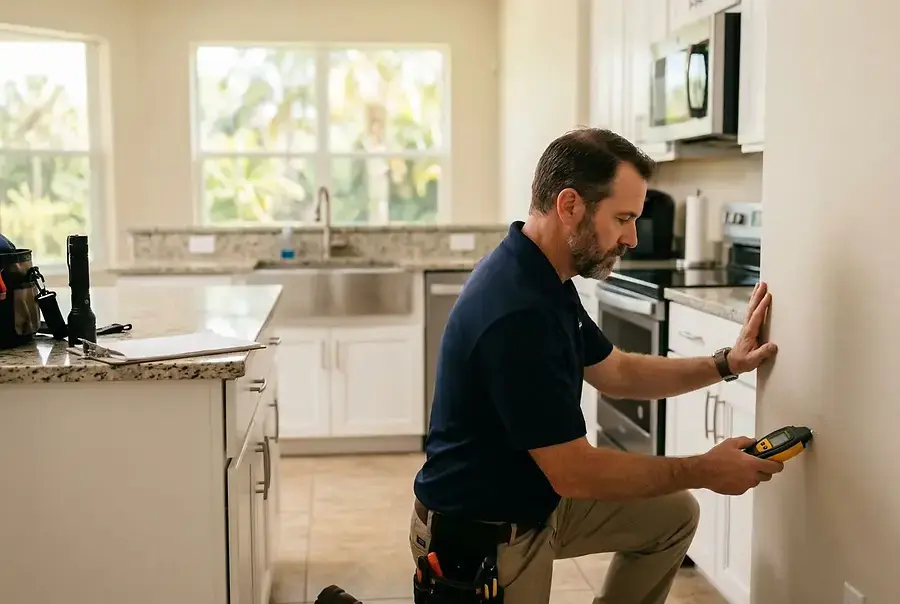
Understanding the Florida Home Inspection Process
A home inspection is one of the most critical steps in the real estate buying process, especially in Central Florida where unique climate conditions and construction practices create specific challenges. During a typical inspection, a certified inspector will spend 2-3 hours examining your potential property from top to bottom.
What Happens During an Inspection
The inspector will evaluate the structural integrity, electrical systems, plumbing, HVAC systems, roofing, and overall condition of the property. They'll check for water damage, pest infestations, foundation issues, and safety concerns. In Central Florida, inspectors pay special attention to hurricane-resistant features, drainage systems, and moisture control—critical factors in our subtropical climate.
Key areas inspected include:
- Roof condition and age
- Foundation and structural elements
- Electrical and plumbing systems
- HVAC and cooling systems
- Windows, doors, and seals
- Attic ventilation and insulation
- Exterior walls and landscaping drainage
Hiring the Right Inspector
Choose a licensed, insured inspector with experience in Central Florida properties. Look for inspectors who are members of professional organizations and have strong references. Don't rely solely on your real estate agent's recommendation—do your own research and interview multiple candidates.
Common Issues Found in Central Florida Properties
Water Damage and Moisture Problems
Central Florida's humid climate and frequent rainfall make water intrusion one of the most common issues. Inspectors look for signs of water damage in attics, crawl spaces, and basements. Mold growth, staining, and soft wood are red flags that indicate moisture problems. Poor drainage around the foundation or inadequate gutters often contribute to these issues.
Roof Concerns
Florida's intense sun and occasional severe weather take a toll on roofing materials. Inspectors check for missing shingles, deteriorated flashing, and signs of age. Most asphalt shingle roofs last 15-20 years in Florida's climate, so age is an important factor. Metal roofs and tile are more durable options that may indicate better maintenance.
HVAC System Issues
Air conditioning systems work overtime in Central Florida. Inspectors evaluate the age, maintenance history, and efficiency of your cooling system. Units older than 10-15 years may need replacement soon, which is a significant expense. Proper refrigerant levels and clean filters are essential for optimal performance.
Pest and Termite Damage
Termites, carpenter ants, and other pests thrive in Florida's warm, humid environment. While a standard home inspection includes pest assessment, you may want to hire a specialized pest inspector for a detailed evaluation. Look for hollow-sounding wood, mud tubes, or visible insect damage during the inspection.
Foundation and Structural Issues
Florida's sandy soil and high water table can cause foundation problems. Inspectors look for cracks in the foundation, uneven floors, or doors that don't close properly. These issues can be costly to repair and may indicate serious structural concerns.
Red Flags and How to Negotiate After Inspection Results
Major Red Flags to Watch For
Stop and reconsider if the inspection reveals:
- Extensive water damage or active mold growth
- Foundation cracks or structural damage
- Outdated electrical systems or safety hazards
- Failing HVAC systems requiring immediate replacement
- Evidence of termite or pest infestation
- Roof damage requiring imminent replacement
- Plumbing issues or sewage system problems
Negotiation Strategies
After receiving the inspection report, you have several options. Request repairs: Ask the seller to fix major issues before closing. Request credits: Negotiate a credit toward closing costs to handle repairs yourself. Request price reduction: Ask for a lower purchase price to account for necessary repairs.
Be realistic about which issues are worth negotiating. Minor cosmetic issues typically don't warrant renegotiation, but structural problems, system failures, and safety hazards absolutely do. Get repair estimates from licensed contractors to support your negotiation position.
When to Walk Away
Sometimes the inspection reveals problems too significant or expensive to justify the purchase. If repairs would exceed 10-15% of the purchase price, or if major systems are failing, it may be wise to walk away and find another property. Your inspection contingency protects you—use it.
Protecting Your Investment: Next Steps After Inspection
Document Everything
Keep detailed records of the inspection report, all communications with the seller, and any repair agreements. Take photos and videos of the property condition. This documentation protects you and provides a baseline for future reference.
Schedule a Final Walk-Through
Before closing, conduct a final walk-through to verify that agreed-upon repairs were completed satisfactorily. Confirm that the property condition matches the inspection report and that no new damage has occurred.
Plan for Maintenance
Use the inspection report to create a maintenance schedule. Address minor issues promptly to prevent them from becoming major problems. Regular HVAC maintenance, roof inspections, and pest control are essential in Central Florida.
Consider a Home Warranty
A home warranty can provide peace of mind by covering unexpected repairs to major systems and appliances. While not a substitute for a thorough inspection, it offers financial protection during your first year of ownership.
Remember: A thorough home inspection is an investment in your peace of mind and financial security. Don't skip this critical step or rush through the process. Take time to understand the inspection results and make informed decisions about your Central Florida real estate purchase.