Essential Home Inspection Guide for Central Georgia Homebuyers
Discover what inspectors look for in Warner Robins, Macon, and surrounding communities to protect your residential investment.

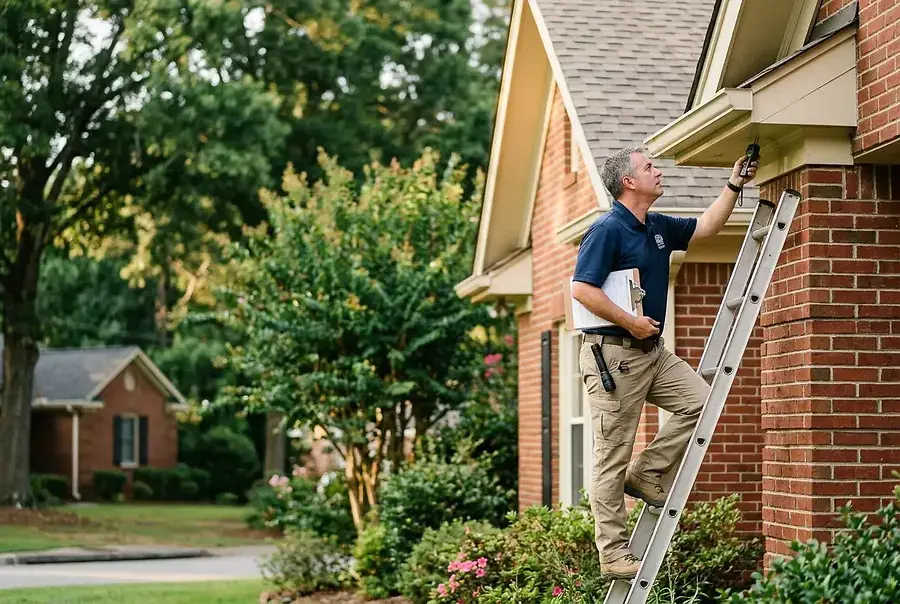
Why Home Inspections Matter More in Georgia's Climate and Conditions
Purchasing a home is one of the most significant financial decisions you'll make, and in Central Georgia, understanding the unique environmental challenges is crucial. The region's warm, humid climate combined with seasonal weather patterns creates specific conditions that can affect home structures over time. A professional home inspection serves as your safeguard, revealing potential issues before you commit to the purchase.
Home inspections are not just a formality—they're an investment in your peace of mind. In Warner Robins, Macon, and surrounding communities, inspectors are well-versed in identifying problems that are particularly common in this region. From moisture-related damage to HVAC system strain from intense summer heat, understanding what inspectors look for helps you make informed decisions about your new home.
Common Issues Found in Central Georgia Homes
Foundation and Structural Concerns
Georgia's clay-based soil and fluctuating moisture levels can create significant foundation challenges. Inspectors in Central Georgia pay close attention to:
- Settling and shifting – The region's soil composition can cause foundations to settle unevenly over time
- Cracks in concrete – Both horizontal and vertical cracks indicate potential structural stress
- Pier and beam deterioration – Older homes may show signs of wood rot or concrete degradation
- Basement moisture intrusion – Standing water or dampness suggests drainage problems
These issues are particularly prevalent in homes built several decades ago, as construction standards and materials have evolved significantly.
Moisture and Water Damage
Central Georgia's humidity levels make moisture management critical. Inspectors thoroughly examine:
- Roof condition and leaks – Damaged shingles or improper flashing can lead to interior water damage
- Gutters and drainage systems – Clogged or improperly pitched gutters direct water toward the foundation
- Attic ventilation – Poor ventilation traps moisture, promoting mold growth and wood rot
- Crawl space conditions – Standing water or excessive humidity indicates ventilation issues
- Mold presence – Inspectors look for visible mold and conditions that promote its growth
Water damage can be expensive to remediate, making this one of the most important areas of inspection. Early detection can save thousands in future repairs.
HVAC System Performance
The intense summers and occasional cold winters in Central Georgia put significant demands on heating and cooling systems. Inspectors evaluate:
- Age and condition of units – Systems over 15 years old may need replacement soon
- Proper sizing – Undersized units struggle to cool homes efficiently in summer heat
- Ductwork integrity – Leaks reduce efficiency and increase energy costs
- Maintenance history – Regular servicing extends system lifespan
- Thermostat functionality – Programmable thermostats help manage energy consumption
A well-maintained HVAC system is essential for comfort and energy efficiency in Georgia's climate.
What to Expect During Your Inspection and How to Prepare as a Buyer
The Inspection Process
A typical home inspection in Central Georgia takes 2-4 hours, depending on the home's size and age. Here's what to expect:
Exterior examination: The inspector evaluates the roof, gutters, siding, foundation, grading, and drainage systems. They'll check for signs of water damage, pest activity, and structural issues.
Interior walkthrough: Every room is examined, including walls, ceilings, floors, windows, and doors. The inspector tests light switches, outlets, plumbing fixtures, and appliances.
Systems inspection: HVAC units, electrical panels, water heaters, and other mechanical systems receive detailed attention. The inspector verifies proper operation and identifies maintenance needs.
Attic and crawl space: These areas reveal moisture issues, insulation quality, and structural concerns that aren't visible from living spaces.
How to Prepare for Your Inspection
- Attend the inspection – Being present allows you to ask questions and learn about the home's systems
- Request access to all areas – Ensure the inspector can examine attics, basements, and crawl spaces
- Gather maintenance records – Previous owners' documentation helps verify system age and repairs
- Make a list of concerns – Share any issues you've noticed with the inspector
- Plan for follow-up inspections – Specialized inspectors may be needed for specific concerns like mold or termites
Understanding the Inspection Report
The inspector's report categorizes findings by severity: safety hazards, major repairs needed, and minor maintenance items. Safety hazards require immediate attention, while major repairs should be addressed within a reasonable timeframe. Minor issues can often be negotiated or handled after purchase.
Using Inspection Results to Negotiate and Protect Your Residential Purchase
Once you receive the inspection report, you have several options. You can request repairs from the seller, ask for a credit toward closing costs, or renegotiate the purchase price. In Central Georgia's real estate market, inspection findings often become negotiation points.
Document everything. Keep copies of the inspection report, photographs, and any estimates for repairs. This documentation supports your negotiation position and protects your interests.
Prioritize strategically. Focus negotiations on major issues like foundation problems, HVAC replacement, or roof repairs. Minor cosmetic issues are typically the buyer's responsibility after closing.
Consider long-term costs. Some issues may be cheaper to repair immediately than to address later. Factor in the cost of future repairs when deciding what to negotiate.
A thorough home inspection is your opportunity to understand exactly what you're purchasing. In Warner Robins, Macon, and surrounding Central Georgia communities, working with experienced local inspectors who understand regional challenges ensures you make a confident, informed decision about your residential investment.
Remember: a home inspection protects both your financial investment and your family's safety. Don't skip this crucial step in the home-buying process.


