Essential Home Inspection Guide for Central Kentucky Home Buyers
Learn what to look for during inspections to protect your investment across Frankfort, Lexington, and surrounding communities.

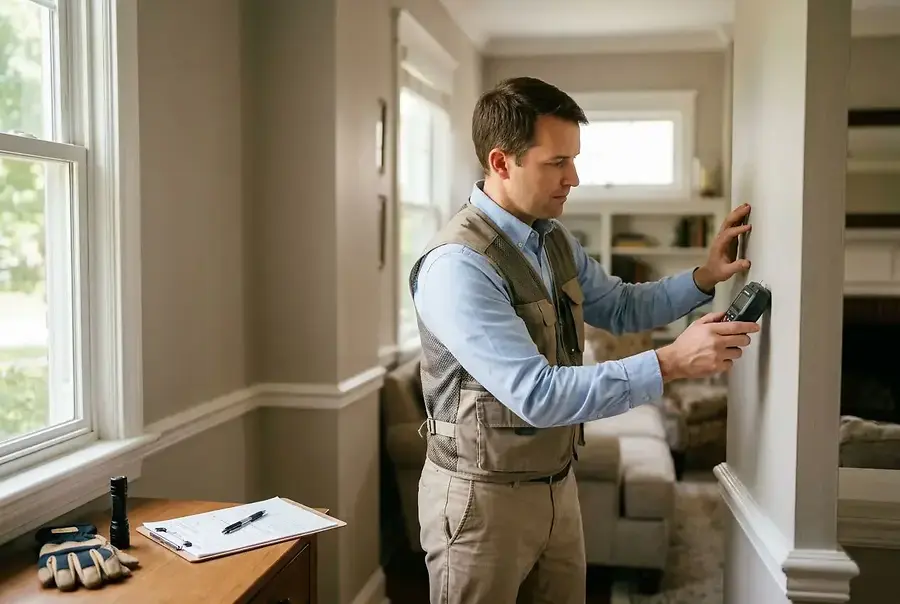
Why Home Inspections Matter in Central Kentucky's Real Estate Market
Purchasing a home is one of the most significant financial decisions you'll make, and in Central Kentucky's competitive real estate market, a thorough home inspection is your best defense against costly surprises. Whether you're buying in Frankfort, Lexington, or surrounding communities, a professional inspection provides an objective assessment of your potential property's condition.
Home inspections serve as a critical safeguard that protects your investment and gives you leverage in negotiations. Rather than discovering structural issues or system failures after closing, a comprehensive inspection identifies problems early, allowing you to make informed decisions about your purchase. In Central Kentucky's diverse housing market—from historic Victorian homes to modern suburban properties—inspections are tailored to address region-specific concerns and building styles.
The inspection process typically costs between $300 and $500, a small price compared to the potential expenses of hidden repairs. Many buyers view this investment as essential insurance for their home purchase.
Key Areas Professional Inspectors Evaluate in Kentucky Homes
Structural Components and Foundation
Professional inspectors begin by examining the home's foundation, which is particularly important in Central Kentucky where soil composition and moisture levels can vary significantly. They look for cracks, settling, water intrusion, and signs of foundation movement. The inspector will also evaluate the structural integrity of walls, floors, and the overall framing system.
Roofing and Exterior Systems
Your roof is your home's first line of defense against Kentucky's variable weather patterns. Inspectors assess shingle condition, flashing integrity, gutters, and drainage systems. They'll also examine siding, windows, doors, and exterior caulking to ensure proper weatherproofing.
Plumbing and Water Systems
Inspectors test water pressure, check for leaks, examine pipe materials, and evaluate the water heater's condition and age. In Central Kentucky, where hard water is common, they'll assess whether water softening systems are in place and functioning properly.
Electrical Systems
A thorough electrical inspection includes checking the panel box, circuit breakers, outlets, switches, and wiring. Inspectors ensure the system meets current safety codes and can handle modern electrical demands.
HVAC Systems
Heating and cooling systems are tested for proper operation, efficiency, and maintenance history. Given Central Kentucky's temperature fluctuations, inspectors verify that both heating and air conditioning systems are adequately sized and functioning optimally.
Interior Components
Inspectors examine walls, ceilings, floors, doors, windows, and built-in appliances. They look for water damage, mold, pest evidence, and structural concerns that might affect the home's livability and value.
Red Flags and Common Issues Found in Central Kentucky Properties
Water Damage and Moisture Issues
Central Kentucky's humidity and occasional heavy rainfall make water intrusion a common concern. Inspectors watch for:
- Staining on ceilings or walls indicating roof leaks
- Basement or crawlspace moisture and efflorescence
- Damaged or missing caulking around windows and doors
- Poor grading that directs water toward the foundation
Aging Systems and Outdated Components
Many Central Kentucky homes feature older construction with systems that may be nearing the end of their lifespan. Common concerns include:
- Outdated electrical panels that cannot support modern electrical loads
- Aging plumbing with galvanized or polybutylene pipes prone to failure
- Original HVAC systems that are inefficient or unreliable
- Deteriorating roofs that may need replacement within a few years
Pest and Pest Damage
Termites, carpenter ants, and other pests are concerns in the region. Inspectors look for evidence of infestation, wood damage, and conditions that attract pests.
Asbestos and Lead Paint
Homes built before the 1980s may contain asbestos in insulation, floor tiles, or roofing materials. Properties built before 1978 likely have lead-based paint. While not always a deal-breaker, these materials require proper management and disclosure.
Using Inspection Reports to Negotiate Better Offers and Protect Your Purchase
Understanding Your Inspection Report
A comprehensive inspection report details every system and component evaluated, categorizing findings by severity. Reports typically include photographs, descriptions of issues, and recommendations for repairs or further evaluation. Take time to understand each finding and ask your inspector to explain anything unclear.
Prioritizing Issues
Not all inspection findings require immediate action. Categorize issues into three groups:
- Critical repairs: Safety hazards or major system failures requiring immediate attention
- Important repairs: Issues that should be addressed within the next 1-2 years
- Minor concerns: Cosmetic issues or maintenance items that can wait
Negotiation Strategies
Armed with your inspection report, you have several negotiation options:
- Request repairs: Ask the seller to fix critical issues before closing
- Request credits: Negotiate a reduction in the purchase price to cover repair costs
- Request inspections: For significant issues, ask for specialized inspections (structural, electrical, etc.)
- Walk away: If major issues exceed your budget or comfort level, you can withdraw your offer
Protecting Your Purchase
Document everything. Keep copies of your inspection report, all communications with the seller, and any agreements about repairs or credits. If repairs are to be completed before closing, schedule a final walk-through to verify work was done properly.
Consider obtaining a home warranty that covers major systems and appliances, providing additional protection against unexpected failures in your first year of ownership.
A thorough home inspection is your opportunity to make an informed decision about one of life's biggest purchases. By understanding what inspectors evaluate, recognizing common Central Kentucky issues, and using inspection findings strategically, you'll protect your investment and negotiate confidently in the region's real estate market.