Essential Home Inspection Guide for Central Maryland Homebuyers
Discover what to look for during inspections and how to protect your investment in the competitive Baltimore-area real estate market.

Why Home Inspections Matter in Central Maryland
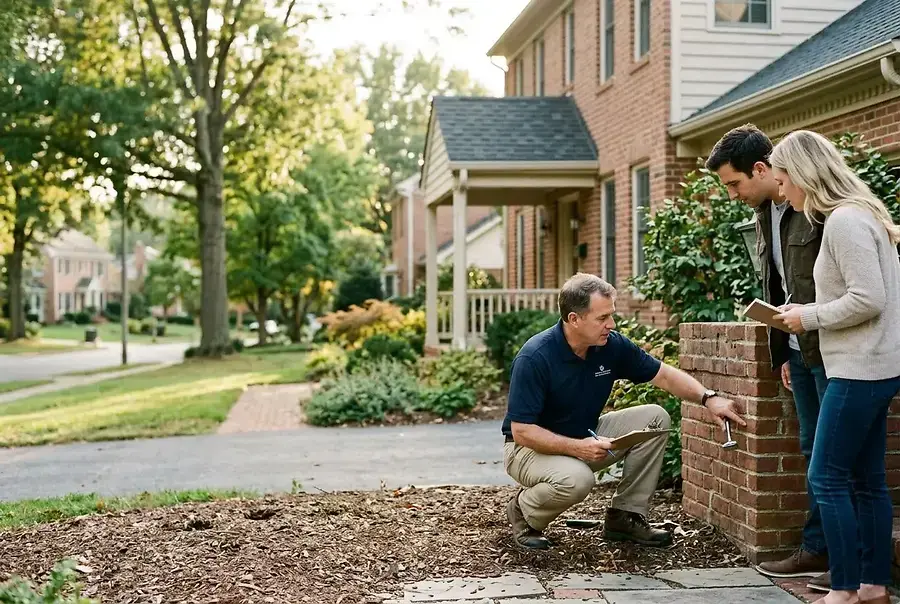
Purchasing a home is one of the most significant financial decisions you'll make in your lifetime. In the competitive Central Maryland real estate market, where properties move quickly and bidding wars are common, a thorough home inspection is your best defense against costly surprises. A professional home inspection provides an objective assessment of a property's condition, helping you understand exactly what you're investing in.
The Baltimore-area real estate market presents unique challenges for homebuyers. Many properties in the region feature older construction, ranging from Victorian-era homes to mid-century residences. While these homes offer charm and character, they may also harbor hidden issues that aren't immediately visible to the untrained eye. A comprehensive inspection can reveal structural concerns, outdated systems, and maintenance issues that could significantly impact your investment.
Don't skip the inspection even if you're in a competitive bidding situation. A small inspection fee now could save you thousands in repairs later. Many savvy buyers in Central Maryland make their offers contingent on a satisfactory inspection, allowing them to renegotiate or walk away if serious problems are discovered.
Key Areas Inspectors Examine and Red Flags to Watch For
Foundation and Structural Integrity
The foundation is the backbone of any home. Inspectors will look for cracks, settling, water damage, and signs of foundation movement. In Central Maryland, where many homes sit on clay soil that can shift seasonally, foundation issues are particularly important to monitor. Watch for:
- Horizontal or stair-step cracks in basement walls
- Bowing or leaning walls
- Water seepage or dampness in basements
- Uneven floors or doors that stick
Roof and Exterior
Your roof is your home's first line of defense against the elements. Inspectors will assess the roof's age, condition, and remaining lifespan. They'll also examine gutters, downspouts, siding, and windows for damage or deterioration. Red flags include:
- Missing or damaged shingles
- Sagging roof lines
- Rusted or clogged gutters
- Rotting wood or damaged siding
- Cracked or broken windows
Plumbing Systems
Plumbing issues can be expensive and disruptive. Inspectors will check water pressure, drainage, and the condition of pipes throughout the home. In older Central Maryland properties, outdated galvanized pipes or cast iron drain lines may need replacement. Common concerns:
- Low water pressure or slow drains
- Corroded or leaking pipes
- Outdated water heaters nearing the end of their lifespan
- Improper grading causing water to pool near the foundation
Electrical Systems
Electrical safety is paramount. Inspectors will evaluate the main panel, wiring, outlets, and switches. Older homes may have outdated electrical systems that don't meet current safety codes. Watch for:
- Outdated fuse boxes instead of circuit breakers
- Insufficient outlets or overloaded circuits
- Aluminum wiring (a fire hazard)
- Missing ground fault circuit interrupters (GFCIs) in bathrooms and kitchens
HVAC and Climate Control
Heating and cooling systems are essential for comfort and can be costly to replace. Inspectors will assess the age and condition of furnaces, air conditioners, and ductwork. Important considerations:
- Age of the HVAC system and remaining useful life
- Proper maintenance and cleanliness of filters and ducts
- Adequate insulation in attics and walls
- Signs of mold or moisture problems
Interior Conditions
Inspectors will examine walls, ceilings, floors, and interior features for damage, water stains, or signs of pest infestation. They'll also check for asbestos, lead paint, and mold—particularly important in older Central Maryland homes. Key areas to review:
- Water damage or staining on ceilings and walls
- Signs of termites or other pest damage
- Presence of asbestos in insulation or flooring
- Lead paint in homes built before 1978
Using Inspection Reports to Negotiate and Make Informed Decisions
Understanding Your Inspection Report
A professional inspection report is a detailed document that categorizes findings by severity. Most reports use classifications like "safety concern," "major defect," "minor defect," and "maintenance item." Take time to understand each finding and ask your inspector to explain anything unclear. Don't hesitate to request a follow-up conversation or site visit to discuss specific concerns.
Prioritizing Issues
Not all inspection findings require immediate action. Prioritize issues based on safety, functionality, and cost. Safety concerns—such as electrical hazards or structural problems—should be addressed immediately. Cosmetic issues or routine maintenance items can often wait. Work with your real estate agent to determine which issues are negotiable and which are deal-breakers for your situation.
Negotiation Strategies
Armed with your inspection report, you have leverage in negotiations. You have several options:
- Request repairs: Ask the seller to fix major issues before closing
- Request credits: Negotiate a credit toward closing costs to handle repairs yourself
- Request price reduction: Ask for a lower purchase price to account for needed repairs
- Walk away: If issues are too severe or costly, you may choose to withdraw your offer
In the competitive Central Maryland market, be strategic about which issues you negotiate. Sellers may be unwilling to make repairs if they have multiple offers. Sometimes accepting minor issues and negotiating a price reduction is more effective than demanding repairs.
Making Your Final Decision
Use the inspection report as one tool in your decision-making process. Consider the overall condition of the home, the cost of repairs, your budget for post-purchase improvements, and the home's long-term value. Ask yourself: Can I afford these repairs? Am I comfortable with the home's condition? Does this property still represent a good investment?
Empowering Yourself as a Savvy Central Maryland Homebuyer
A home inspection is an investment in peace of mind and financial protection. By understanding what inspectors look for and how to interpret their findings, you're taking control of one of life's biggest purchases. In the fast-paced Central Maryland real estate market, knowledge truly is power.
Don't rush the inspection process. Hire a qualified, licensed home inspector with experience in your area. Attend the inspection if possible, ask questions, and request a detailed written report. Use the findings to make informed decisions about your offer and negotiations.
Your future self will thank you for the diligence you invest today. A thorough home inspection protects your investment, ensures your safety, and gives you the confidence to move forward with your purchase in the Baltimore-area real estate market.


