Essential Home Inspection Guide for Central Minnesota Homebuyers
What every homebuyer in Baxter, Brainerd, Crosby, and Gull Lake should know before making their offer.

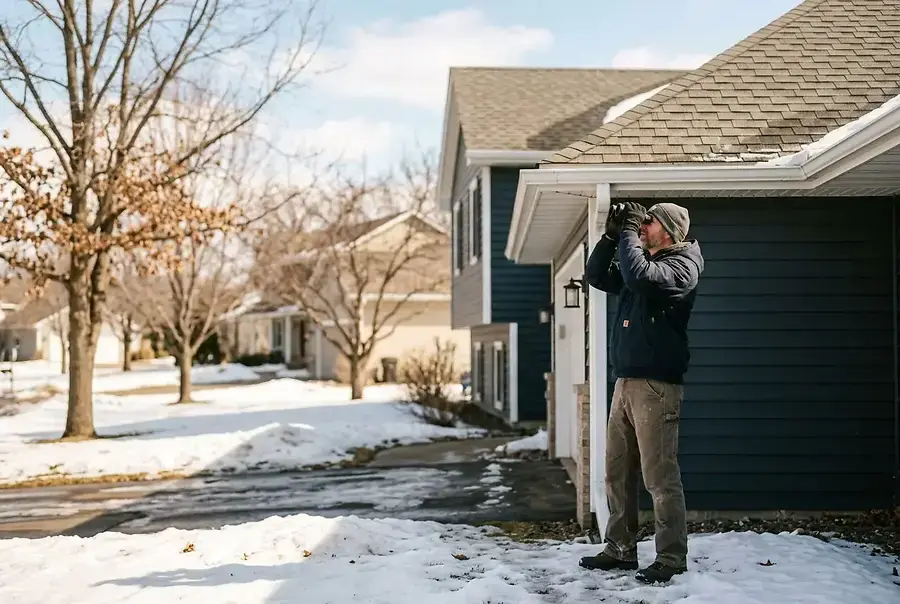
Introduction: Why Home Inspections Matter in Central Minnesota's Market
Purchasing a home is one of the most significant investments you'll make in your lifetime. In Central Minnesota's competitive real estate market—particularly in communities like Baxter, Brainerd, Crosby, and Gull Lake—a professional home inspection is not just recommended; it's essential. A thorough inspection can reveal hidden issues that could cost thousands of dollars to repair and help you make an informed decision about your purchase.
Home inspections serve as your safeguard against unexpected expenses and structural problems. They provide an objective assessment of your potential home's condition, giving you the leverage to negotiate repairs or price adjustments before closing the deal. In Minnesota's climate, where homes face unique seasonal challenges, understanding what inspectors look for becomes even more critical.
Key Areas Inspectors Focus On: Climate-Specific Considerations for Minnesota Homes
Foundation and Basement Issues
Minnesota's freeze-thaw cycles are particularly harsh on home foundations. Professional inspectors pay close attention to:
- Cracks in concrete – Both horizontal and vertical cracks can indicate serious structural problems
- Water intrusion and moisture – Basements in Central Minnesota are prone to water damage due to heavy spring snowmelt
- Efflorescence – White mineral deposits that suggest moisture is moving through concrete
- Settling and shifting – Movement caused by soil expansion and contraction in freeze-thaw conditions
Roof and Attic Inspection
Your roof is your home's first line of defense against Minnesota winters. Inspectors examine:
- Shingle condition and age – Minnesota's heavy snow loads require roofs in excellent condition
- Proper ventilation – Critical for preventing ice dams, a common problem in Central Minnesota
- Flashing integrity – Gaps around chimneys and vents allow water infiltration
- Attic insulation levels – Adequate insulation is essential for energy efficiency in Minnesota's cold climate
HVAC Systems
Heating systems are crucial in Central Minnesota. Inspectors evaluate:
- Furnace age and condition – Most furnaces last 15-20 years; replacement can be expensive
- Ductwork integrity – Leaks reduce efficiency and increase heating costs
- Air conditioning functionality – Though less critical than heating, AC systems should operate properly
- Thermostat operation – Proper temperature control is essential for comfort and efficiency
Plumbing and Water Systems
Minnesota's water quality and freeze risks make plumbing inspection particularly important:
- Pipe materials and condition – Older homes may have outdated piping prone to freezing or corrosion
- Water pressure and flow – Inadequate pressure indicates potential issues
- Sump pump functionality – Essential for managing groundwater in Minnesota basements
- Well water quality – If applicable, testing ensures safe drinking water
Electrical Systems
Safe electrical systems are non-negotiable. Inspectors check:
- Panel capacity and condition – Outdated panels may not meet modern electrical demands
- Grounding and bonding – Critical safety features
- Outlet and switch functionality – All outlets should work properly and be properly grounded
- Aluminum wiring – Some older Minnesota homes have aluminum wiring, which poses fire risks
Understanding Your Inspection Report: Red Flags and Minor Issues Explained
Critical Issues That Require Immediate Attention
Red flags in an inspection report demand serious consideration. These include:
- Structural damage or foundation problems
- Roof damage or imminent failure
- Electrical hazards or code violations
- Plumbing issues affecting water safety
- HVAC system failure in a Minnesota home (critical for winter safety)
- Mold or severe moisture problems
When critical issues appear in your report, you have the right to request repairs, price reductions, or to walk away from the deal entirely.
Minor Issues and Maintenance Items
Not every finding in an inspection report is a deal-breaker. Minor issues might include:
- Caulking that needs refreshing
- Paint touch-ups or exterior maintenance
- Worn weatherstripping
- Minor plumbing leaks under sinks
- Routine HVAC maintenance needs
These items are typically the homebuyer's responsibility after purchase, though you can negotiate their repair or credit toward closing costs.
Deferred Maintenance
Deferred maintenance refers to necessary repairs that the current owner has postponed. In Central Minnesota homes, this might include:
Deferred maintenance on roofing, siding, or foundation issues can compound over time, especially in Minnesota's harsh climate. Address these proactively to avoid exponentially higher repair costs.
Understanding the difference between critical issues, minor maintenance, and deferred maintenance helps you prioritize your concerns and negotiate effectively.
Conclusion: Using Inspection Results to Negotiate and Protect Your Investment
A comprehensive home inspection is your opportunity to make an informed decision about one of life's biggest purchases. In Central Minnesota's real estate market, where climate-related wear is inevitable, understanding what inspectors look for gives you significant advantages.
Here's how to use your inspection results effectively:
- Request repairs – Ask the seller to fix critical issues before closing
- Negotiate credits – Request a credit toward closing costs for repairs you'll handle yourself
- Adjust your offer – Use inspection findings to justify a lower purchase price
- Plan for future maintenance – Budget for known issues like roof replacement or furnace upgrades
- Walk away if necessary – If critical issues are too extensive, you have the right to terminate your offer
Whether you're buying in Baxter, Brainerd, Crosby, Gull Lake, or elsewhere in Central Minnesota, a professional home inspection protects your investment and provides peace of mind. Don't skip this crucial step—your future self will thank you for the diligence you invest today.