Essential Home Inspection Guide for Central Texas Buyers and Sellers
Discover critical inspection checkpoints that protect your investment in Temple, Killeen, Belton, and surrounding communities.

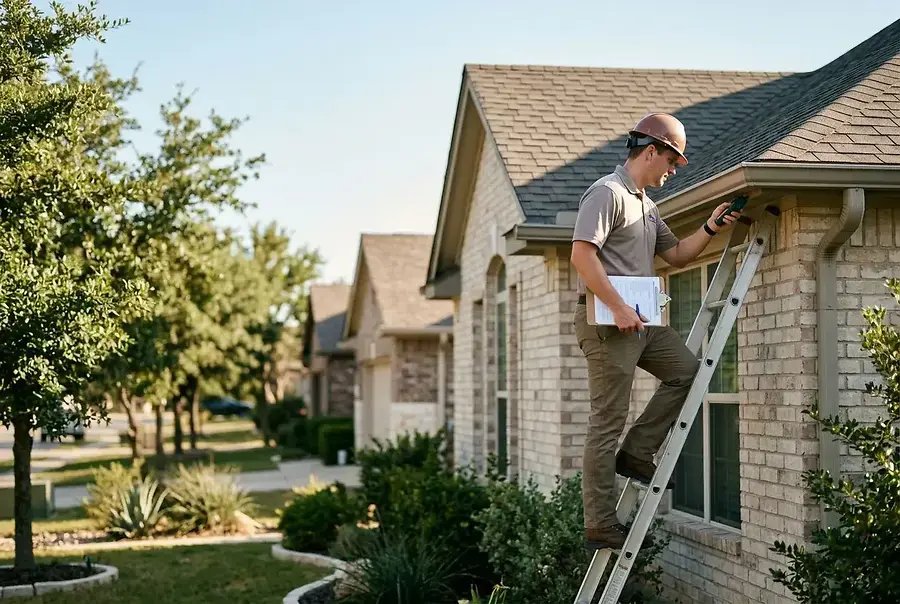
Why Home Inspections Matter in Central Texas
Purchasing or selling a home is one of the most significant financial decisions you'll make. In Central Texas communities like Temple, Killeen, and Belton, home inspections serve as your first line of defense against costly surprises and hidden defects. A professional home inspection provides an objective assessment of a property's condition, identifying potential issues before they become expensive problems.
The Central Texas climate presents unique challenges for homeowners. From intense summer heat to occasional severe weather, homes in this region experience specific wear and tear patterns. Understanding these regional factors and what inspectors look for can save you thousands of dollars and provide peace of mind in your real estate transaction.
Whether you're buying your first home or selling a property you've owned for decades, a thorough inspection protects your investment and ensures transparency throughout the transaction.
Key Inspection Areas for Central Texas Homes
Roof and Attic Conditions
The roof is your home's primary defense against Central Texas weather. Inspectors examine shingles for damage, curling, or missing pieces, and check for proper ventilation in the attic. In this region's heat, adequate attic ventilation is crucial for preventing premature roof deterioration and reducing cooling costs.
- Shingle condition and remaining lifespan
- Flashing around chimneys and vents
- Attic ventilation and insulation levels
- Signs of leaks or water damage
HVAC Systems
Central Texas summers demand reliable air conditioning. Inspectors evaluate your heating and cooling systems for proper operation, age, and maintenance history. A well-maintained HVAC system is essential for comfort and energy efficiency in this climate.
- Age and condition of AC and heating units
- Proper refrigerant levels
- Ductwork integrity and sealing
- Thermostat functionality
Foundation and Structural Integrity
Central Texas soil composition can affect foundation stability. Inspectors look for cracks, settling, or movement that might indicate foundation problems. This is particularly important in areas with expansive clay soils common to the region.
- Visible cracks in foundation or walls
- Signs of settling or uneven floors
- Moisture intrusion in basements or crawl spaces
- Proper grading around the foundation
Plumbing and Water Systems
Hard water is common in Central Texas, affecting pipes and fixtures over time. Inspectors test water pressure, check for leaks, and assess the condition of pipes and water heaters. They also evaluate septic systems in areas not served by municipal water.
- Water pressure and flow rates
- Pipe material and condition
- Water heater age and functionality
- Drain and sewer line integrity
Electrical Systems
Older homes in Central Texas communities may have outdated electrical systems. Inspectors verify that electrical panels are properly grounded, outlets are safely installed, and the system can handle modern power demands.
- Panel capacity and breaker condition
- Grounding and bonding
- Outlet safety and GFCI protection
- Wiring condition and code compliance
Interior and Exterior Conditions
Inspectors examine walls, ceilings, floors, doors, and windows for damage, water stains, or pest evidence. They also assess exterior elements like siding, gutters, and drainage systems that protect your home from weather damage.
- Drywall and paint condition
- Window and door operation
- Gutter and downspout functionality
- Signs of pest infestation or termite damage
Understanding Inspection Reports and Next Steps
What to Expect in Your Inspection Report
A comprehensive inspection report documents the inspector's findings in detail. It typically includes photographs, descriptions of issues found, and recommendations for repairs or further evaluation. Reports are organized by home system, making it easy to understand what needs attention.
Reports categorize findings as major issues, minor concerns, or maintenance recommendations. Major issues require immediate attention, while minor concerns can often be addressed during routine maintenance.
Using Inspection Results in Negotiations
For buyers, inspection results provide leverage in negotiations. If significant issues are discovered, you can request repairs, ask for credits toward closing costs, or renegotiate the purchase price. For sellers, addressing inspection items before listing can increase buyer confidence and potentially command a higher price.
It's important to distinguish between cosmetic issues and structural or safety concerns. A fresh coat of paint is inexpensive; foundation repairs are not. Focus negotiations on items that genuinely affect the home's safety, functionality, or long-term value.
When to Call Specialists
General home inspectors provide a broad overview, but some issues warrant specialist evaluation. If the inspector identifies potential foundation problems, pest damage, or HVAC concerns, consider hiring a specialist for a detailed assessment. This additional investment can prevent costly mistakes.
"A thorough home inspection is an investment in your peace of mind and financial security. Don't skip this critical step in your real estate transaction."
Making Informed Decisions with Inspection Data
Armed with inspection information, you're equipped to make informed decisions about your real estate transaction. Whether you're a buyer evaluating a property's true condition or a seller preparing your home for market, inspection data provides the clarity needed for confident decision-making.
In Central Texas communities, where homes range from historic properties to newer construction, understanding what inspectors look for helps you ask the right questions and understand the answers. Take time to review your inspection report thoroughly, ask your inspector to explain findings you don't understand, and consult with real estate professionals about how to proceed.
Your home is likely your most valuable asset. A professional inspection ensures you're making decisions based on facts, not assumptions, protecting your investment for years to come.