Essential Home Inspection Guide for Central Valley, NY Homebuyers
Discover what to look for during a home inspection to protect your investment and avoid costly surprises.

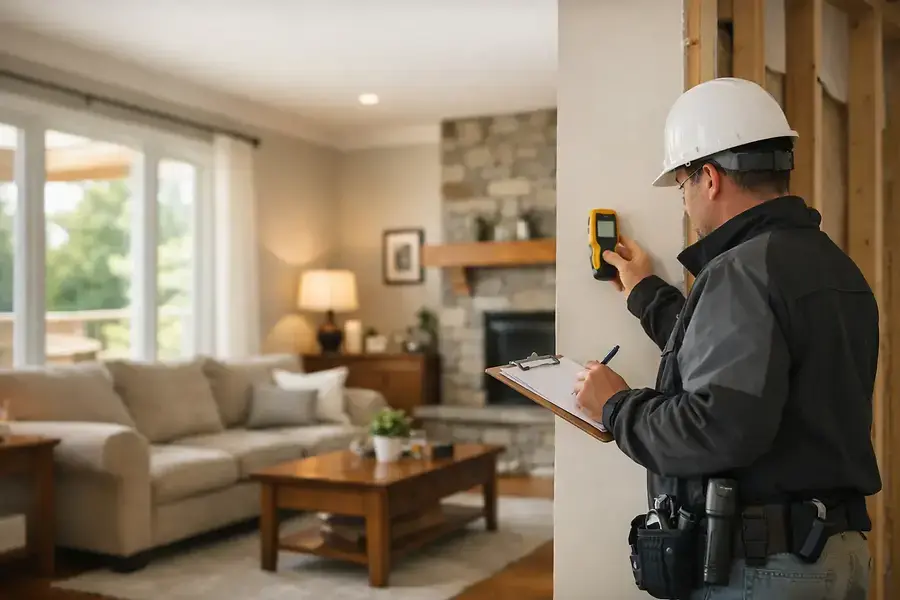
Understanding the Home Inspection Process
A home inspection is one of the most critical steps in the homebuying process. This thorough evaluation of a property's condition helps you understand what you're purchasing and identifies potential issues before you commit to the sale. In Central Valley, NY, where homes range from historic properties to newer constructions, a professional inspection is essential.
During a typical home inspection, a certified inspector will spend 2-4 hours examining the property inside and out. They'll provide a detailed report documenting the condition of major systems and structures. This inspection is not a pass-or-fail evaluation—rather, it's an informational tool that empowers you to make educated decisions about your investment.
What to Expect During Your Inspection
You have the right to be present during the inspection. In fact, it's highly recommended that you attend. This gives you the opportunity to ask questions, understand the inspector's findings firsthand, and learn about the property's maintenance needs. The inspector will walk through every accessible area of the home, taking notes and photographs.
Key Areas Inspectors Evaluate
Structural Components
Inspectors carefully examine the foundation, walls, and roof structure. They look for signs of settling, cracks, water damage, and structural integrity issues. In Central Valley, where seasonal weather changes are common, foundation problems can develop over time and require significant repairs.
Roofing and Exterior
The roof is one of your home's most important protective barriers. Inspectors assess:
- Shingle condition and age
- Flashing around chimneys and vents
- Gutters and downspouts
- Exterior siding and caulking
- Windows and doors
A roof replacement can cost thousands of dollars, making this evaluation particularly important for your budget planning.
Plumbing Systems
Inspectors test water pressure, check for leaks, and evaluate the condition of pipes. They examine:
- Water heater functionality and age
- Drainage systems
- Visible pipes for corrosion or damage
- Toilet and faucet operation
Water damage is a common issue in older Central Valley homes and can lead to mold growth if not properly addressed.
Electrical Systems
A thorough electrical inspection ensures your home meets current safety standards. Inspectors evaluate the panel, wiring, outlets, and switches. Outdated electrical systems may need upgrading to handle modern appliance demands and ensure safety.
HVAC Systems
Heating, ventilation, and air conditioning systems are tested for proper operation. Inspectors check:
- Furnace or boiler condition
- Air conditioning unit functionality
- Ductwork and ventilation
- Thermostat operation
Interior Conditions
Inspectors examine walls, ceilings, floors, and insulation. They look for signs of water damage, mold, pest infestations, and structural issues. They also assess the condition of cabinets, countertops, and built-in appliances.
Common Issues Found in Central Valley Homes
Water Intrusion and Moisture Problems
Central Valley's climate can lead to moisture-related issues. Common problems include:
- Basement or crawlspace water seepage
- Roof leaks causing attic damage
- Poor grading directing water toward the foundation
- Inadequate drainage systems
These issues can be expensive to remediate, so early detection is crucial.
Aging Systems and Components
Many Central Valley homes are several decades old. Inspectors frequently find:
- Outdated electrical panels requiring upgrades
- Aging roofs nearing the end of their lifespan
- Older plumbing with potential corrosion issues
- Inefficient HVAC systems
Deferred Maintenance
Properties that haven't received regular upkeep often have multiple minor issues that, when combined, represent significant repair costs. These might include peeling paint, damaged gutters, worn weatherstripping, and landscaping problems.
Pest and Wildlife Issues
Inspectors look for signs of termites, rodents, and other pests. In Central Valley, where wildlife is abundant, evidence of animal intrusion should be taken seriously and professionally addressed.
Next Steps: Using Inspection Results in Your Purchase Decision
Review the Report Carefully
Take time to thoroughly read the inspection report. Understand the difference between major issues requiring immediate attention and minor concerns that can be addressed over time. Don't hesitate to ask your inspector for clarification on any findings.
Prioritize Issues by Severity
Categorize findings into three groups:
- Critical: Safety hazards or major system failures
- Important: Significant repairs needed within 1-2 years
- Minor: Cosmetic or routine maintenance items
Obtain Repair Estimates
For significant issues, get quotes from licensed contractors. This helps you understand the true cost of repairs and informs your negotiation strategy. Some sellers may be willing to make repairs, while others might offer a price reduction instead.
Negotiate or Renegotiate
Use the inspection report as a basis for negotiations. You might request that the seller address critical issues, provide a credit toward repairs, or adjust the purchase price. Your real estate agent can help guide these discussions.
Make Your Final Decision
Armed with complete information about the property's condition, you can make a confident decision about whether to proceed with the purchase. Remember, no home is perfect—the goal is to understand what you're buying and ensure there are no deal-breaking surprises.
"A home inspection is an investment in peace of mind. It protects your financial interests and helps you plan for future maintenance and repairs."
By understanding the home inspection process and knowing what to look for, Central Valley homebuyers can make informed decisions that protect their investment and ensure they're purchasing a safe, sound property.


