Essential Home Inspection Guide for Champaign Buyers and Sellers
Discover what professional inspectors look for and how to protect your investment before closing.

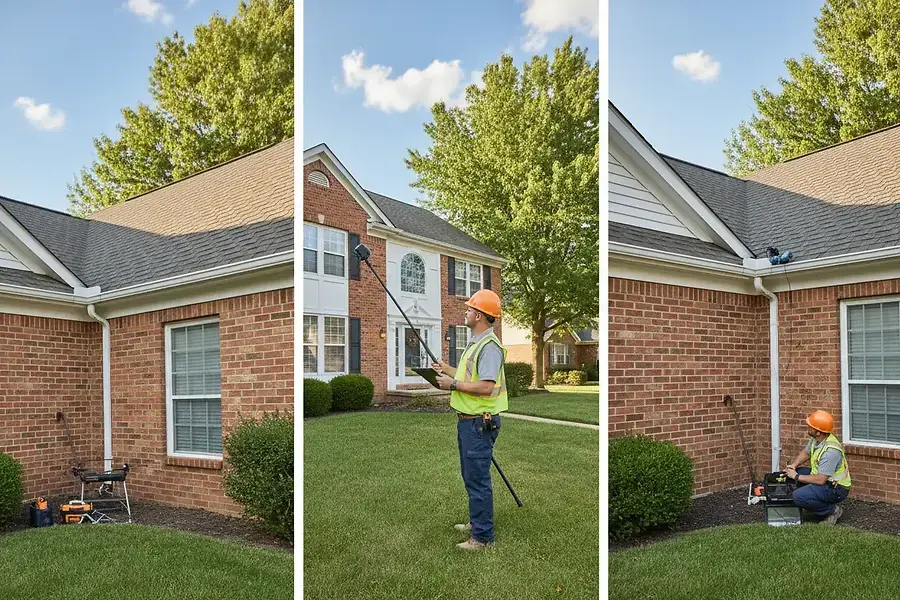
Understanding the Home Inspection Process in Champaign
A home inspection is one of the most critical steps in any real estate transaction. Whether you're buying or selling a property in Champaign, understanding what happens during this process can save you thousands of dollars and prevent costly surprises down the road.
A professional home inspector will spend two to three hours examining your property from top to bottom. They'll evaluate the structural integrity, electrical systems, plumbing, HVAC systems, roofing, and more. The inspector's goal is to provide an objective assessment of the home's condition, identifying any issues that need attention before closing.
What to Expect During the Inspection
When the inspector arrives, they'll begin with the exterior, checking the roof, siding, foundation, and landscaping. They'll then move inside to examine:
- Electrical systems and outlets
- Plumbing fixtures and water pressure
- HVAC systems and thermostats
- Insulation and ventilation
- Windows and doors
- Interior walls and ceilings
- Basement or crawl space conditions
As a buyer, you have the right to be present during the inspection. This is an excellent opportunity to ask questions and learn about your potential home's maintenance needs.
Common Issues Found in Champaign Homes and Red Flags to Know
Champaign's climate and older housing stock mean certain issues appear more frequently than others. Being aware of these common problems helps you make informed decisions.
Moisture and Water Damage
The Midwest's freeze-thaw cycles and seasonal rainfall make moisture issues prevalent in Champaign homes. Inspectors frequently find:
- Basement water intrusion and dampness
- Roof leaks and damaged flashing
- Clogged gutters and downspouts
- Foundation cracks allowing water seepage
Water damage is one of the most expensive problems to repair, so addressing it early is crucial.
Aging Systems and Components
Many Champaign homes were built decades ago, meaning their systems may be nearing the end of their lifespan. Common findings include:
- Outdated electrical panels and wiring
- Aging furnaces and air conditioning units
- Corroded plumbing pipes
- Deteriorating roofing materials
Structural and Foundation Concerns
Soil composition in the Champaign area can lead to foundation issues. Inspectors look for cracks, settling, and bowing walls that may indicate serious structural problems requiring professional assessment.
Red Flags That Demand Attention
Never ignore major red flags discovered during inspection. These include active water intrusion, significant structural damage, mold growth, or failing major systems.
If your inspector identifies any of these issues, consider hiring a specialist for further evaluation before making your final decision.
Negotiating Repairs and Credits After Your Inspection
Once you receive the inspection report, you have several options for moving forward. This is where negotiation skills become essential.
Understanding Your Options
After reviewing the inspection report, buyers typically have three choices:
- Request repairs: Ask the seller to fix identified issues before closing
- Request credits: Negotiate a reduction in the purchase price to cover repair costs yourself
- Accept as-is: Proceed with the purchase without requesting changes
Negotiation Strategies
When negotiating repairs or credits, focus on major issues that affect safety, functionality, or structural integrity. Minor cosmetic issues are typically not worth negotiating over.
Get multiple repair quotes for significant problems. This gives you concrete numbers to present during negotiations and ensures you're asking for reasonable compensation. Be prepared to compromise—sellers may agree to fix some items while offering credits for others.
For Sellers: Preparing for Inspection
If you're selling your Champaign home, consider getting a pre-inspection before listing. This allows you to address major issues proactively and set realistic expectations for buyers. Transparency about known issues builds trust and often leads to smoother transactions.
Moving Forward with Confidence: Next Steps After Inspection
Once inspection negotiations are complete, you're ready to move toward closing with greater peace of mind.
Create a Maintenance Plan
Use the inspection report as a roadmap for future maintenance. Prioritize repairs based on urgency and budget. Address critical safety issues immediately, then tackle other problems systematically.
Schedule Follow-Up Inspections
For major repairs completed by the seller, consider hiring an inspector to verify the work was done properly before closing. This protects your investment and ensures quality workmanship.
Plan for Future Upgrades
The inspection report identifies systems and components nearing the end of their lifespan. Budget for replacements in the coming years so you're not caught off guard by unexpected failures.
Maintain Your Home Regularly
Regular maintenance prevents small problems from becoming expensive disasters. Schedule annual HVAC servicing, clean gutters seasonally, and address minor issues promptly.
A thorough home inspection is an investment in your peace of mind and financial security. By understanding the process, knowing what to look for, and negotiating effectively, you can protect your Champaign property investment and move forward with confidence.