Essential Home Inspection Guide for Charlottesville Residential Buyers
Learn what to look for during a home inspection to protect your investment in Charlottesville's residential market.

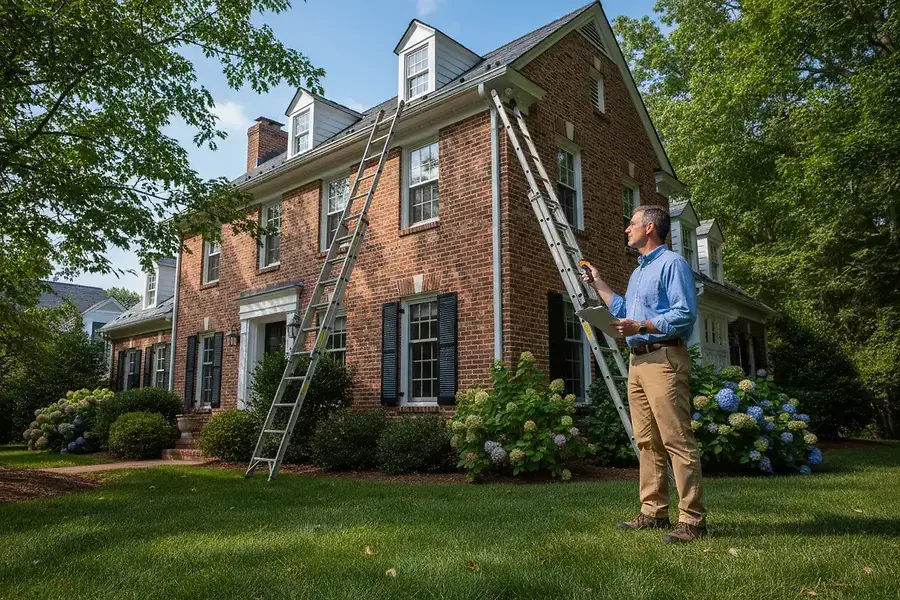
Why Home Inspections Matter in Charlottesville
Purchasing a home is one of the most significant financial decisions you'll make in your lifetime. In Charlottesville's competitive residential market, a thorough home inspection is your best defense against costly surprises after closing. A professional home inspection provides an objective assessment of a property's condition, helping you understand exactly what you're investing in.
Home inspections are particularly important in Charlottesville, where many properties range from historic Victorian homes to modern constructions. Each era of construction presents unique challenges and considerations. By investing in a comprehensive inspection, you gain peace of mind and valuable information to negotiate repairs or price adjustments before finalizing your purchase.
Key Areas to Evaluate During Your Home Inspection
Structural Integrity and Foundation
The foundation is the backbone of any home. During your inspection, look for cracks in the foundation, water damage, or signs of settling. In Charlottesville, where soil composition varies, foundation issues can develop over time. Check for horizontal cracks, which are more serious than vertical ones, and examine the basement or crawl space for moisture intrusion or mold growth.
Roofing and Exterior
Your roof protects everything beneath it. Inspectors should examine shingle condition, flashing around chimneys and vents, and gutter systems. Look for missing or curling shingles, moss growth, and proper drainage. The exterior should also be evaluated for siding damage, paint condition, and proper water drainage away from the foundation.
Plumbing Systems
Test all water fixtures and check for:
- Water pressure and flow rates
- Signs of leaks under sinks and around toilets
- Water heater age and condition
- Pipe material and potential corrosion
- Proper drainage in all areas
Older Charlottesville homes may have outdated plumbing that requires attention or replacement.
Electrical Systems
A safe electrical system is non-negotiable. Ensure the inspection covers panel capacity, circuit breakers, grounding, and outlet safety. Outdated wiring or insufficient capacity for modern appliances can be costly to upgrade. Check that GFCI outlets are installed in bathrooms and kitchens for safety.
HVAC and Climate Control
Heating and cooling systems are essential for comfort and health. Verify the age of the furnace and air conditioning unit, check for proper maintenance records, and ensure the system adequately heats and cools the entire home. In Charlottesville's variable climate, efficient HVAC systems are crucial.
Insulation and Ventilation
Proper insulation reduces energy costs and prevents moisture problems. Check attic insulation levels, ventilation adequacy, and signs of air leaks. Poor ventilation can lead to mold growth and structural damage over time.
Common Issues Found in Charlottesville Homes and How to Address Them
Water Damage and Moisture Issues
Charlottesville's humidity and occasional heavy rainfall make water damage a common concern. Look for water stains on ceilings, walls, and in basements. Addressing moisture issues promptly prevents mold growth and structural deterioration. Solutions may include improving drainage, sealing cracks, or installing a sump pump.
Outdated Systems
Many Charlottesville homes feature charming older architecture but outdated systems. Knob-and-tube wiring, galvanized pipes, and aging HVAC systems are common findings. Budget for upgrades or negotiate with the seller for repairs before purchase.
Roof Deterioration
The region's weather patterns can accelerate roof aging. Moss and algae growth are particularly common in Charlottesville's climate. A roof nearing the end of its lifespan should be factored into your decision-making process, as replacement is a significant expense.
Foundation Settling
Older homes in Charlottesville often show signs of minor settling, which is normal. However, significant cracks or uneven floors warrant further investigation by a structural engineer. Understanding the difference between cosmetic settling and serious structural issues is crucial.
Pest Infestations
Termites and other pests are concerns in Virginia. Ask the inspector to specifically check for signs of infestation. Pest damage can be expensive to remediate and may indicate ongoing maintenance issues.
Making Informed Decisions with Inspection Results
Once you receive your inspection report, take time to review it thoroughly. Prioritize issues by severity—safety concerns and structural problems take precedence over cosmetic issues. Use the report as a negotiation tool with the seller.
Consider obtaining quotes from contractors for significant repairs. This gives you concrete numbers to discuss with the seller. You may request repairs be completed before closing, ask for a price reduction, or request an escrow account for repairs.
Remember, no home is perfect. The goal of a home inspection is to understand the property's true condition and make an informed decision. A professional inspector provides valuable expertise that protects your investment and helps you avoid costly surprises.
In Charlottesville's dynamic real estate market, a thorough home inspection is not just a formality—it's an essential step in your home-buying journey. By understanding what to look for and how to interpret findings, you'll be well-equipped to make confident decisions about your new home.


