Essential Home Inspection Guide for Chattanooga Residential Buyers
A comprehensive guide to understanding the critical inspections that protect your residential investment in Chattanooga.

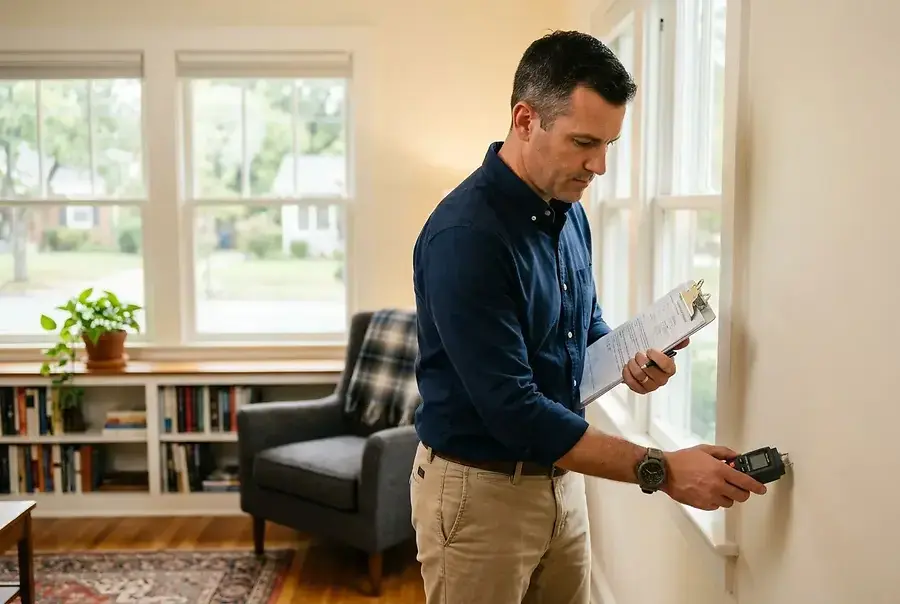
Why Home Inspections Matter for Chattanooga Buyers
Purchasing a home is one of the most significant financial decisions you'll make in your lifetime. For Chattanooga residential buyers, a professional home inspection is not just a formality—it's a critical safeguard that can save you thousands of dollars in unexpected repairs and provide peace of mind about your investment.
A thorough home inspection reveals the true condition of a property, from its foundation to its roof. In Chattanooga's climate, where humidity and seasonal weather patterns can impact home structures differently than other regions, understanding what inspectors evaluate becomes even more important. This guide will help you navigate the inspection process with confidence.
Key Areas Inspectors Evaluate in Chattanooga Homes
Structural Integrity and Foundation
The foundation is the backbone of any home. Professional inspectors examine the foundation for cracks, settling, and water damage—issues that are particularly relevant in Chattanooga due to the region's moisture levels. They'll look for:
- Visible cracks in concrete or brick
- Signs of water intrusion or dampness
- Uneven floors or doors that don't close properly
- Evidence of previous repairs or reinforcement
Roofing and Attic Systems
Your roof protects everything beneath it. Inspectors evaluate the roof's age, condition, and remaining lifespan. They'll examine:
- Shingle condition and potential leaks
- Flashing around chimneys and vents
- Attic ventilation and insulation levels
- Signs of water damage or mold growth
Electrical Systems
A safe electrical system is non-negotiable. Inspectors test outlets, examine the main panel, and check for outdated wiring that could pose fire hazards. They assess:
- Panel capacity and condition
- Proper grounding and bonding
- GFCI protection in wet areas
- Any signs of previous amateur electrical work
Plumbing and Water Systems
Water-related issues can be costly and damaging. Inspectors check water pressure, test drains, and look for leaks or corrosion. Key areas include:
- Water heater age and condition
- Pipe material and signs of corrosion
- Drain functionality and potential blockages
- Evidence of previous water damage or mold
HVAC Systems
Heating and cooling systems are essential for Chattanooga comfort. Inspectors evaluate the furnace, air conditioning unit, and ductwork to ensure they're functioning properly and efficiently.
Interior Components
Beyond major systems, inspectors examine:
- Windows and doors for proper operation and sealing
- Walls and ceilings for cracks or water stains
- Flooring condition and stability
- Appliances included in the sale
- Insulation levels in walls and attic
Red Flags and How to Respond to Inspection Results
Understanding Inspection Reports
Home inspection reports categorize findings by severity. Understanding these categories helps you prioritize concerns:
- Critical Issues: Safety hazards requiring immediate attention
- Major Concerns: Significant repairs needed soon
- Minor Issues: Maintenance items or cosmetic concerns
- Recommendations: Suggested improvements or further evaluation
Common Red Flags in Chattanooga Homes
Water Damage and Mold: Chattanooga's humidity makes water damage and mold growth common concerns. Any signs of water intrusion, staining, or musty odors warrant further investigation by a specialist.
Foundation Issues: Cracks wider than 1/4 inch, bowing walls, or uneven floors may indicate serious structural problems requiring professional assessment.
Outdated Electrical Systems: Homes with aluminum wiring, cloth-insulated wiring, or inadequate grounding present fire hazards and should be updated.
Roof Age: Most asphalt roofs last 15-20 years. If a roof is nearing the end of its lifespan, budget for replacement soon.
HVAC System Age: Systems older than 10-15 years may be inefficient or near failure. Factor replacement costs into your decision.
Negotiating After Inspection
Once you receive inspection results, you have several options:
- Request Repairs: Ask the seller to fix critical issues before closing
- Request Credits: Negotiate a price reduction to cover repair costs yourself
- Request Specialist Inspections: For concerning findings, hire specialists to assess severity
- Walk Away: If issues are too extensive, you may choose to terminate the purchase
The key is understanding which issues are deal-breakers and which are manageable. Work with your real estate agent and lender to make informed decisions.
Making Informed Decisions with Inspection Data
A home inspection is an investment in your future. The $300-500 cost of a professional inspection can prevent you from purchasing a property with hidden problems that could cost tens of thousands to repair.
Remember that no home is perfect. Older homes, particularly those common in Chattanooga, will have some wear and tear. The goal is identifying issues that affect safety, livability, and long-term value.
Take your time reviewing the inspection report. Ask your inspector questions about findings you don't understand. Request clarification on severity and urgency. This information empowers you to make decisions aligned with your budget and comfort level.
By understanding what inspectors evaluate and how to interpret their findings, you're taking control of one of life's biggest purchases. A thorough home inspection protects your investment and gives you the confidence to move forward with your Chattanooga home purchase.


