Essential Home Inspection Guide for Chicago Residential Buyers
Learn what to look for during inspections and how to protect your investment in Chicago's residential market.

Why Home Inspections Matter in Chicago Real Estate
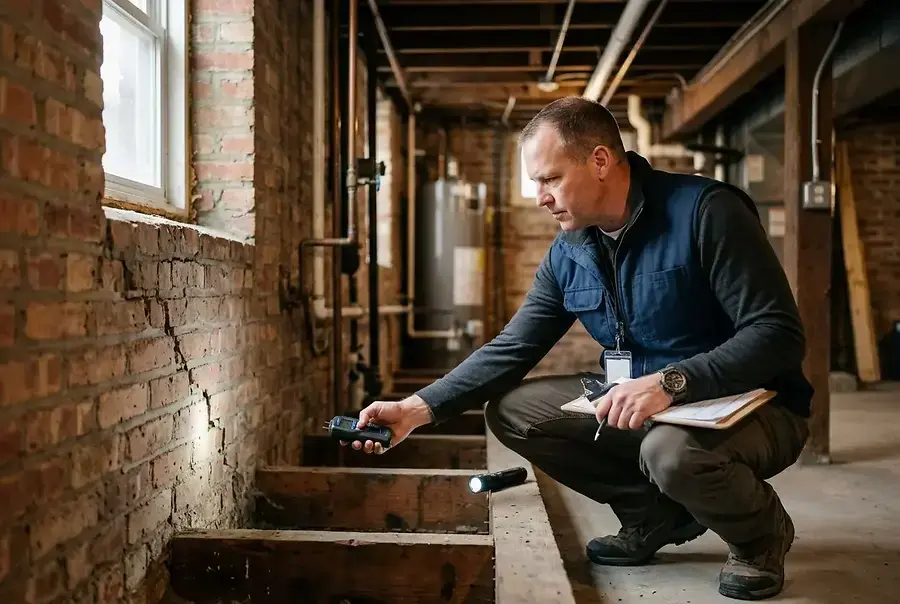
Purchasing a home is one of the most significant financial decisions you'll make in your lifetime. In Chicago's competitive residential market, a thorough home inspection is your best defense against costly surprises and hidden defects. Whether you're buying a historic brownstone in Lincoln Park or a modern condo in the Loop, understanding what to look for during an inspection can save you thousands of dollars and prevent future headaches.
A professional home inspection provides an objective assessment of a property's condition, identifying structural issues, mechanical problems, and safety concerns that may not be visible to the untrained eye. This detailed evaluation gives you the leverage to negotiate repairs or price adjustments before closing on your investment.
Key Areas to Evaluate During Your Home Inspection
Foundation and Structural Integrity
Chicago's clay-heavy soil and freeze-thaw cycles make foundation issues particularly common in the region. During your inspection, look for:
- Cracks in the foundation – Small hairline cracks are normal, but larger cracks or stair-step patterns indicate serious structural problems
- Water damage and moisture – Basements are prone to water intrusion, especially in older Chicago homes
- Uneven floors – This can signal foundation settling or structural movement
- Bowing walls – A sign of excessive pressure on the foundation
Roofing and Exterior
Chicago's harsh winters and variable weather patterns put significant stress on roofing systems. Your inspector should evaluate:
- Age and condition of the roof – Most roofs last 15-25 years
- Missing or damaged shingles and flashing
- Gutters and downspouts for proper drainage
- Exterior walls for deterioration, rot, or pest damage
- Windows and doors for proper sealing and operation
Mechanical Systems
Heating systems are critical in Chicago. Ensure your inspector thoroughly examines furnaces, boilers, and radiators. Plumbing should be tested for proper water pressure, drainage, and signs of leaks. Electrical systems need evaluation for outdated wiring, insufficient capacity, and safety hazards. Don't overlook air conditioning units, water heaters, and any appliances included in the sale.
Interior Conditions
Walk through the home with your inspector and pay attention to:
- Drywall and plaster for cracks or water stains
- Flooring for damage, warping, or uneven surfaces
- Cabinets and countertops for functionality and condition
- Bathrooms for proper ventilation and water damage
- Insulation levels in attics and crawl spaces
Red Flags and How to Interpret Inspection Reports
Understanding the Report
Professional inspection reports categorize findings by severity. Major issues require immediate attention and can significantly impact your offer. Minor issues are typically cosmetic or easily fixable. Deferred maintenance items need attention but aren't urgent safety concerns.
Critical Red Flags
Structural problems such as foundation cracks, bowing walls, or severe settling are deal-breakers for most buyers. Roof issues requiring replacement can cost $10,000 or more. Outdated electrical systems with knob-and-tube wiring or aluminum wiring pose fire hazards. Asbestos or lead paint in older Chicago homes require professional remediation.
"A home inspection is not just about finding problems – it's about understanding the true condition of your investment and making decisions based on facts, not emotions."
Water Damage and Mold
Chicago's humidity and precipitation make water intrusion a common concern. Look for water stains on ceilings, walls, or in basements. Mold growth indicates moisture problems that can affect your health and require expensive remediation. Don't ignore musty odors or visible discoloration.
HVAC and Plumbing Concerns
Aging furnaces or boilers may need replacement soon. Corroded pipes, low water pressure, or outdated plumbing systems can lead to expensive repairs. Ask your inspector about the expected lifespan of these systems and budget accordingly.
Making Informed Decisions After Your Inspection
Negotiating Repairs and Credits
Once you receive the inspection report, you have several options. You can request that the seller make repairs before closing, ask for a credit toward repairs you'll handle yourself, or renegotiate the purchase price. In Chicago's market, sellers are often willing to negotiate when significant issues are documented.
Getting Second Opinions
For major issues like foundation problems or roof damage, consider hiring a specialist for a more detailed assessment. This additional investment can clarify the true cost of repairs and strengthen your negotiating position.
Planning Your Budget
Use the inspection report to create a realistic maintenance and repair budget for your first year of ownership. Factor in both immediate needs and deferred maintenance items. This helps you understand the true cost of homeownership in Chicago.
Final Thoughts
A comprehensive home inspection is an essential step in the Chicago homebuying process. By understanding what to look for, interpreting reports accurately, and making informed decisions based on inspection findings, you protect your investment and ensure you're making a sound financial decision. Don't rush this process – take time to review the report thoroughly and ask questions. Your future self will thank you for the diligence you invest today.


