Essential Home Inspection Guide for Chicago Six-County Buyers
Master the critical inspection process to protect your investment across Cook, DuPage, Kane, Lake, Will, and McHenry counties.

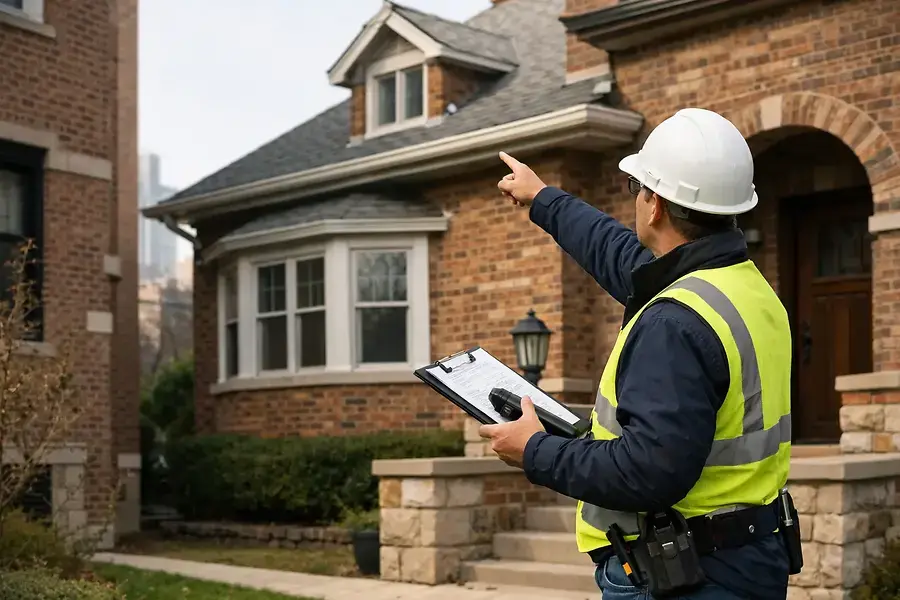
Understanding the Home Inspection Process and Why It Matters
A home inspection is one of the most critical steps in the homebuying process, especially in the Chicago six-county region where properties vary widely in age and condition. Whether you're purchasing a historic Victorian in Cook County or a newer suburban home in McHenry County, a professional inspection provides an objective assessment of your potential investment.
The inspection process typically takes two to three hours and involves a licensed inspector examining the property's structural components, systems, and overall condition. This detailed evaluation protects you from inheriting costly repairs and gives you leverage in negotiations. In the competitive Chicago real estate market, understanding what inspectors look for can mean the difference between a smart investment and a financial burden.
Why Inspections Are Non-Negotiable
Many first-time buyers underestimate the importance of inspections, viewing them as an unnecessary expense. However, discovering a failing foundation, outdated electrical systems, or roof damage after closing can cost tens of thousands of dollars. An inspection gives you the information needed to make an informed decision and protects your financial interests.
Key Areas Inspectors Examine in Chicago-Area Properties
Professional home inspectors follow a standardized checklist, but Chicago-area properties present unique challenges due to the region's climate, aging housing stock, and diverse architectural styles.
Structural Components
Inspectors evaluate the foundation, walls, and overall structural integrity. In the Chicago area, foundation cracks and water intrusion are common concerns, particularly in older homes. The freeze-thaw cycles of Midwest winters can exacerbate existing structural issues, making this assessment crucial.
Roofing and Exterior
The roof is your home's first line of defense against harsh Chicago winters. Inspectors assess:
- Shingle condition and remaining lifespan
- Flashing and seal integrity
- Gutters and drainage systems
- Exterior siding and caulking
- Windows and door frames
Plumbing Systems
Water-related issues are particularly prevalent in the six-county area. Inspectors check for corroded pipes, water pressure problems, and drainage issues. Older homes may have outdated plumbing materials that require replacement, which can be expensive.
Electrical Systems
Outdated electrical systems are common in Chicago's older housing stock. Inspectors verify that the electrical panel is adequate, outlets are properly grounded, and the system meets current safety codes. Knob-and-tube wiring and aluminum wiring are red flags that often require professional remediation.
HVAC Systems
Given the region's temperature extremes, heating and cooling systems are critical. Inspectors evaluate furnace condition, air conditioning functionality, and ductwork integrity. A failing HVAC system can cost $5,000 to $10,000 to replace.
Basement and Moisture Control
Basement moisture is a significant concern across Cook, DuPage, Kane, Lake, Will, and McHenry counties. Inspectors look for:
- Water stains and efflorescence
- Mold or mildew growth
- Sump pump functionality
- Proper grading and drainage
How to Interpret Inspection Reports and Negotiate Repairs
Understanding the Report
Home inspection reports can be lengthy and technical. Most reports categorize findings into three levels: major issues, minor issues, and maintenance recommendations. Focus on major issues that affect safety or require significant investment.
A well-written inspection report should be clear enough for a non-expert to understand, with photos and explanations of each finding.
Prioritizing Issues
Not every finding requires immediate attention. Prioritize based on:
- Safety concerns – electrical hazards, structural issues, or code violations
- System failures – non-functional HVAC, plumbing, or roofing
- Deferred maintenance – items that will need attention within the next few years
- Cosmetic issues – these can often be addressed later
Negotiation Strategies
Once you have the inspection report, you have several options:
- Request repairs: Ask the seller to fix major issues before closing
- Request credits: Negotiate a reduction in the purchase price to cover repairs
- Request escrow: Hold funds in escrow to ensure repairs are completed
- Walk away: If issues are too extensive, you may choose to terminate the purchase
In the Chicago six-county market, sellers often prefer price reductions over making repairs themselves, giving you flexibility in negotiations. Always get repair estimates from licensed contractors to support your negotiation position.
Protecting Yourself: Next Steps After Your Inspection
Schedule a Follow-Up Inspection
If major repairs are negotiated, consider hiring an inspector to verify that work was completed properly before closing. This is especially important for structural, electrical, or plumbing repairs.
Obtain Detailed Repair Estimates
Don't rely solely on the inspector's assessment. Get written estimates from licensed contractors for any significant repairs. This gives you concrete numbers for negotiations and helps you understand the true cost of issues.
Review Seller Disclosures
Illinois law requires sellers to disclose known issues. Compare the inspection report with seller disclosures to identify any discrepancies. If the seller failed to disclose known problems, you may have legal recourse.
Plan for Future Maintenance
Use the inspection report as a maintenance roadmap. Items noted as "monitor" or "maintenance recommended" should be addressed proactively to prevent costly future repairs. Budget for upcoming replacements like roofing or HVAC systems.
Understand Your Contingencies
Most purchase agreements include an inspection contingency allowing you to renegotiate or withdraw if significant issues are discovered. Know your timeline for responding to inspection findings – typically 7 to 10 days in the Chicago area.
Final Thought: A thorough home inspection is your best defense against unexpected expenses and safety hazards. By understanding the inspection process, knowing what to look for, and negotiating effectively, you protect your investment across the Chicago six-county region. Don't rush this critical step – it's an investment in your peace of mind and financial security.


