Essential Home Inspection Guide for Colorado Residential Buyers
Protect your investment by understanding what professional inspectors look for when evaluating homes across Colorado's diverse communities.

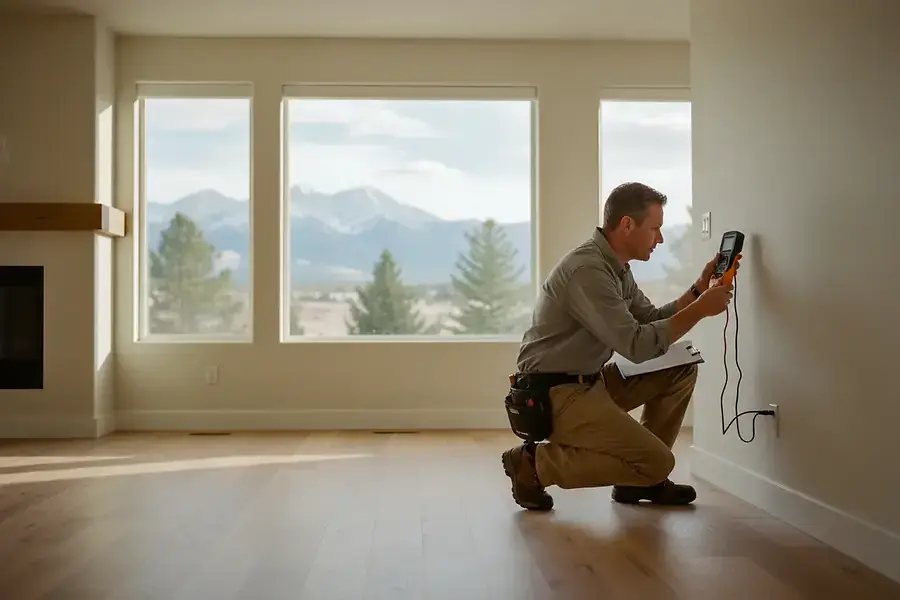
Why Home Inspections Matter in Colorado's Real Estate Market
Purchasing a home is one of the most significant financial decisions you'll make, and in Colorado's competitive real estate market, a thorough home inspection is your best defense against costly surprises. Whether you're buying in the mountains, on the Front Range, or in rural communities, a professional inspection provides an objective assessment of your potential property's condition.
Colorado's unique climate and geography present specific challenges that inspectors must evaluate. From high altitude effects on materials to seasonal weather patterns that can impact structural integrity, understanding what inspectors look for helps you make informed decisions. A comprehensive inspection typically costs between $300 and $500 but can save you thousands in unexpected repairs.
Why skip this crucial step? Many buyers assume a home "looks fine," but hidden issues in plumbing, electrical systems, roofing, and foundations can emerge months after purchase. Professional inspectors have the training and tools to identify problems that untrained eyes miss.
Key Areas Professional Inspectors Examine in Colorado Homes
Structural Components and Foundation
The foundation is your home's backbone. Colorado's expansive clay soils and freeze-thaw cycles can cause settling, cracking, and movement. Inspectors examine:
- Foundation cracks and their severity
- Signs of water intrusion or moisture damage
- Basement wall integrity and bowing
- Proper drainage away from the foundation
Even minor cracks warrant attention, as Colorado's weather extremes can exacerbate existing damage over time.
Roofing and Exterior
Colorado's intense UV radiation and hail storms make roofing a critical inspection area. Inspectors assess:
- Roof age and remaining lifespan
- Shingle condition and potential hail damage
- Flashing around chimneys and vents
- Gutter functionality and proper water drainage
- Exterior siding, trim, and paint condition
Hail damage is particularly common in Colorado, and insurance claims can be complex. A detailed inspection report documents existing damage versus new damage.
Plumbing Systems
Water quality and delivery systems require careful evaluation. Inspectors check:
- Water pressure and flow rates
- Pipe materials and age (older homes may have outdated materials)
- Signs of leaks or water damage
- Septic systems in rural areas or municipal water connections
- Water heater condition and capacity
Colorado's mineral-rich water can affect plumbing longevity, making this inspection area especially important.
Electrical Systems
Safety is paramount with electrical systems. Professional inspectors evaluate:
- Panel capacity and condition
- Proper grounding and bonding
- Outlet and switch functionality
- Presence of outdated wiring (aluminum, knob-and-tube)
- GFCI protection in wet areas
Outdated electrical systems are a serious concern in older Colorado homes and may require upgrades for safety and insurance purposes.
HVAC and Insulation
Colorado's temperature extremes demand efficient heating and cooling. Inspectors examine:
- Furnace and air conditioning unit age and operation
- Ductwork condition and sealing
- Insulation levels in attic and walls
- Thermostat functionality
- Ventilation adequacy
Proper insulation is essential for energy efficiency in Colorado's climate, directly impacting utility costs.
Interior Conditions
Inspectors also evaluate interior elements including:
- Drywall and paint condition
- Floor integrity and stability
- Window and door operation
- Appliance functionality
- Signs of pest infestation or mold
Understanding Inspection Reports and Red Flags to Watch For
Decoding Your Inspection Report
Professional inspection reports are detailed documents that categorize findings by severity. Most reports use categories like:
- Safety Issues: Immediate concerns requiring urgent attention
- Major Repairs: Significant problems affecting home value or function
- Minor Repairs: Small issues that should be addressed but aren't urgent
- Maintenance Items: Regular upkeep recommendations
Take time to review the report thoroughly and ask your inspector to explain any findings you don't understand.
Critical Red Flags in Colorado Homes
Foundation issues, outdated electrical systems, and roof damage are the most common deal-breakers in Colorado home inspections.
Watch for these warning signs:
- Foundation cracks wider than 1/4 inch or showing signs of active movement
- Roof age exceeding 20 years without recent replacement
- Evidence of water damage in basements, crawl spaces, or attics
- Knob-and-tube wiring or aluminum wiring requiring replacement
- Mold or pest infestation indicating moisture or structural problems
- HVAC systems over 15 years old nearing end of lifespan
Negotiating Based on Inspection Findings
Once you receive your inspection report, you have options. You can:
- Request the seller make repairs before closing
- Negotiate a price reduction to account for repairs
- Request a credit at closing for specific issues
- Walk away from the deal if issues are too significant
Colorado's real estate market moves quickly, but don't let pressure rush you into overlooking serious inspection findings. Your inspector's report is a negotiating tool and a protection for your investment.
Using Inspection Insights to Make Confident Purchasing Decisions
A professional home inspection empowers you to make informed decisions about one of life's largest purchases. By understanding what inspectors examine and recognizing red flags, you transform the inspection process from a formality into a valuable investment protection strategy.
Remember that no home is perfect. The goal isn't to find a flawless property but to understand the property's true condition and make decisions based on accurate information. Whether you're buying a historic Victorian in Denver, a mountain cabin, or a suburban home on the Front Range, a thorough inspection ensures you know exactly what you're purchasing.
Take action: Always hire a licensed, experienced inspector familiar with Colorado homes. Ask for references, verify credentials, and don't hesitate to ask questions during the inspection process. Your diligence today protects your investment tomorrow.