Essential Home Inspection Guide for Connecticut and Florida Buyers
Discover what professional inspectors evaluate to protect your residential investment in these competitive markets.

Why Home Inspections Matter in Today's Market
Purchasing a home is one of the most significant financial decisions you'll make in your lifetime. In competitive markets like Connecticut and Florida, where properties move quickly and prices continue to climb, a professional home inspection serves as your essential safeguard. A thorough inspection can reveal hidden problems that could cost thousands of dollars to repair, potentially saving you from a costly mistake.
Home inspections provide an objective assessment of a property's condition before you commit to the purchase. They give you leverage in negotiations, help you understand maintenance needs, and ensure you're making an informed decision based on facts rather than assumptions. Whether you're a first-time buyer or an experienced investor, skipping this critical step is a risk you simply cannot afford to take.
Critical Areas to Examine: Foundation, Systems, and Structural Integrity
Foundation and Structural Components
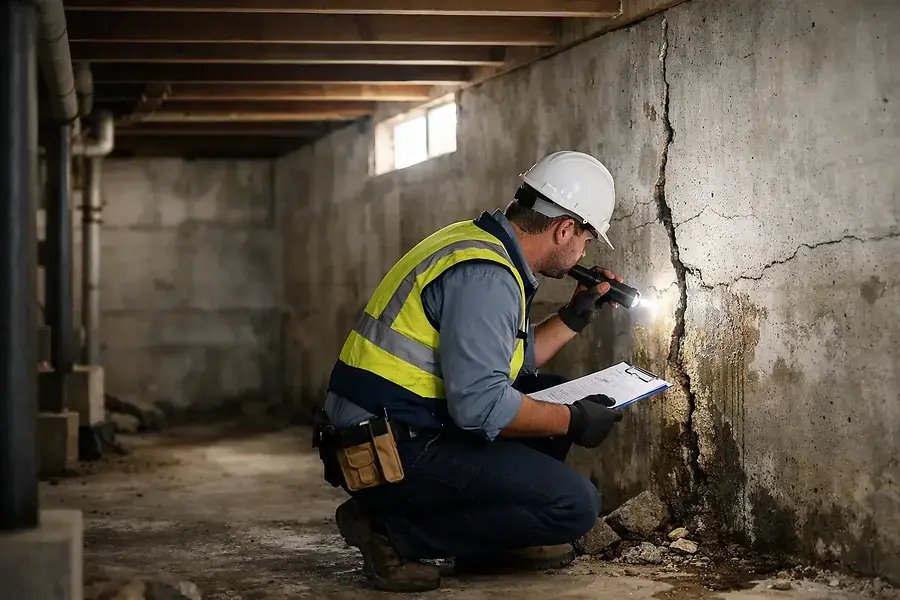
The foundation is the literal backbone of any home. Inspectors examine foundations for cracks, settling, water damage, and signs of structural movement. In Florida, where soil conditions and moisture levels present unique challenges, foundation issues are particularly common. Connecticut properties, especially older homes, may show signs of settling or frost heave damage. A compromised foundation can be one of the most expensive problems to address, making this inspection area absolutely critical.
Roof and Exterior Systems
Your roof protects everything beneath it. Professional inspectors evaluate:
- Shingle condition and remaining lifespan
- Flashing and seal integrity
- Gutters and drainage systems
- Exterior walls and siding for water intrusion
- Windows and doors for proper sealing
Florida's intense sun and hurricane exposure demand special attention to roof condition, while Connecticut's freeze-thaw cycles can accelerate deterioration. Both regions require robust exterior protection against the elements.
Electrical and Plumbing Systems
These systems are vital to daily living and safety. Inspectors check:
- Electrical panel capacity and safety
- Grounding and bonding systems
- Water pressure and flow rates
- Pipe materials and corrosion signs
- Septic systems (where applicable)
- Water heater condition and age
Outdated electrical systems and corroded plumbing can pose serious safety risks and require expensive upgrades. Many older Connecticut homes still have aluminum wiring or outdated panels, while Florida properties may suffer from corrosion due to salt air and humidity.
HVAC and Climate Control
Heating and cooling systems represent significant investments. Inspectors evaluate the age, condition, and efficiency of air conditioning units and heating systems. In Florida, where air conditioning runs year-round, an aging unit could mean substantial replacement costs. Connecticut homes need reliable heating systems to handle harsh winters, making this assessment equally important.
Red Flags and Deal-Breakers: Common Issues in Connecticut and Florida Properties
Water Damage and Mold
Water intrusion is the enemy of any home. Inspectors look for evidence of past or present water damage, including:
- Staining on ceilings and walls
- Soft or rotting wood
- Mold growth in basements and crawl spaces
- Improper grading around the foundation
- Inadequate drainage systems
Florida's high humidity and heavy rainfall make water damage particularly prevalent, while Connecticut's freeze-thaw cycles can cause foundation cracks that allow water infiltration. Both conditions create ideal environments for mold growth, which poses health risks and requires professional remediation.
Pest Infestation and Termite Damage
Termites and other pests can cause catastrophic structural damage. A separate termite inspection is often recommended, especially in Florida where termite activity is year-round. Look for:
- Mud tubes on foundation walls
- Hollow-sounding wood
- Discarded wings near windows
- Evidence of carpenter ants or other wood-destroying insects
Outdated or Unsafe Systems
Older homes may contain hazardous materials or outdated systems that require replacement. Common concerns include:
- Asbestos in insulation, flooring, or roofing
- Lead paint in homes built before 1978
- Knob-and-tube wiring
- Polybutylene plumbing
- Inadequate ventilation or insulation
These issues can be expensive to remediate and may affect your ability to obtain financing or insurance.
HVAC and Appliance Failures
An air conditioning unit failure in Florida or a heating system breakdown in Connecticut can be catastrophic. Inspectors note the age and condition of these systems.
A 15-year-old air conditioning unit in Florida is nearing the end of its lifespan and may require replacement soon, potentially costing $5,000 to $10,000 or more.
Making Informed Decisions with Professional Guidance
A professional home inspection is an investment in your peace of mind and financial security. When you receive the inspection report, take time to understand the findings and prioritize issues based on severity and cost. Not every issue is a deal-breaker—some items are simply maintenance concerns, while others may warrant renegotiation or walking away from the deal.
Use the inspection report as a negotiating tool. If significant issues are discovered, you can request repairs, credits, or price reductions. In competitive markets like Connecticut and Florida, having a professional inspection gives you the confidence and information needed to make smart decisions.
Remember, the cheapest inspection is not always the best value. Choose a certified, experienced inspector who understands the unique challenges of your region. Your investment in a thorough inspection today can save you tens of thousands of dollars in unexpected repairs tomorrow.